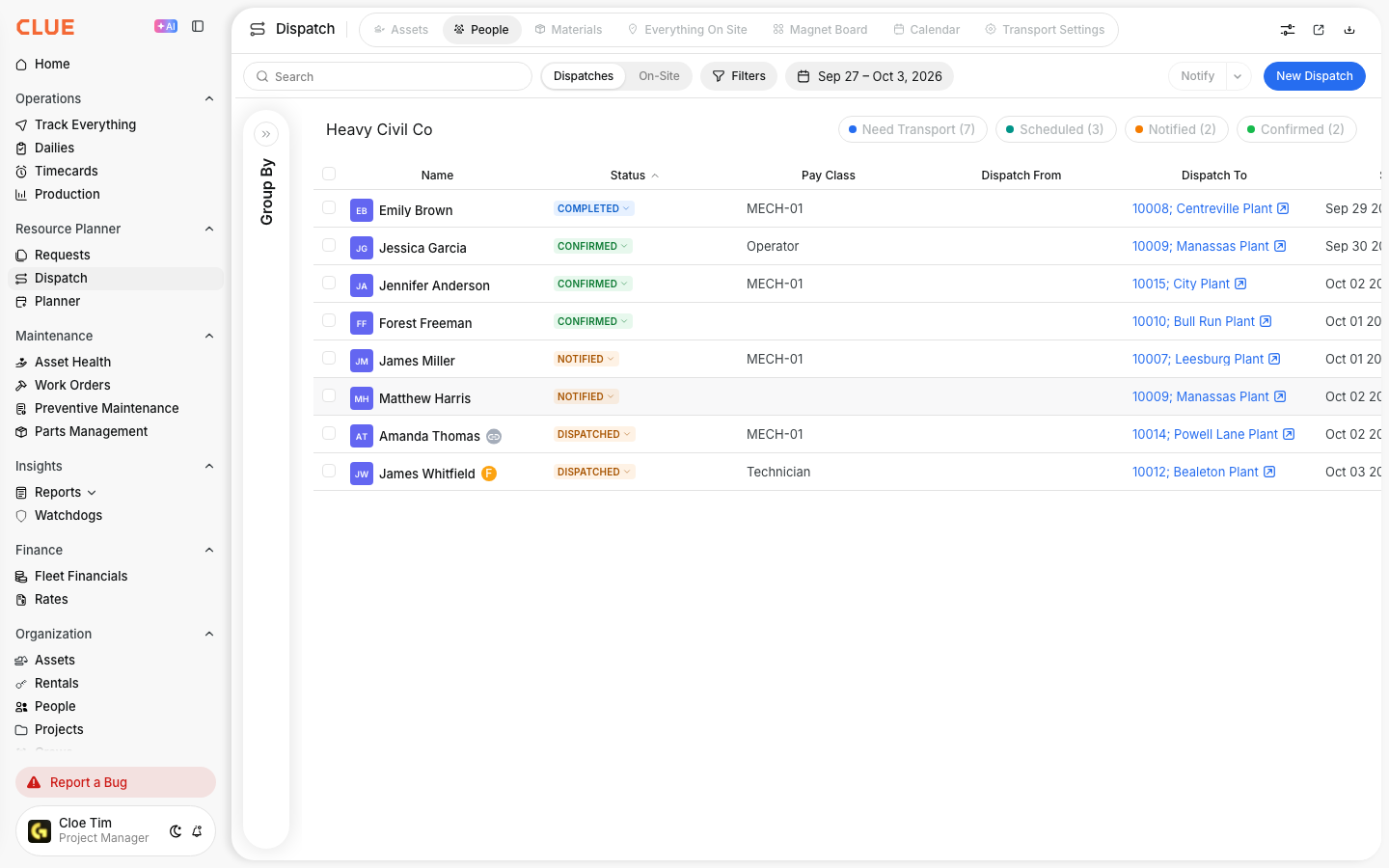
LIFO is an inventory accounting method where the newest stock is expensed first, matching current costs against current revenue.
What Is LIFO?
LIFO, short for Last-In, First-Out, is an accounting approach where the most recently purchased inventory is expensed first when calculating the cost of goods sold (COGS).
This means that newer stock is recorded as an expense, while older inventory remains on the balance sheet at its original, often lower, cost.
The LIFO method plays a significant role in determining taxable income and the valuation of remaining inventory, particularly in fluctuating price environments.
LIFO stands in contrast to FIFO (First-In, First-Out), which assumes that the oldest inventory is sold first.
LIFO accounting can result in lower profits and reduced tax liabilities during inflationary periods, as newer, higher-cost items are accounted for in COGS.
Advantages of Using the LIFO Method
Many companies use LIFO when prices are rising, allowing them to record a higher COGS and thus lower their taxable income.
Some industries, such as retail or food services, rely on LIFO accounting to ensure that their newer goods are sold first, matching customer demand for fresh products.
Using LIFO also impacts financial statements by lowering inventory values, which affects profit margins.
If you're interested in learning how the LIFO method impacts a business during inflation, keep reading!
How Does LIFO Work?
The mechanics of LIFO are fairly straightforward:
- Recent Inventory: Newer inventory, which is typically purchased at a higher cost, is considered sold first.
- Lower-Value Inventory: Older inventory stays in the stock, valued at the lower historical cost.
- Impact on Financials: During inflationary times, this results in a higher COGS and a lower taxable income, which businesses often use to reduce their tax obligations.
Modern software solutions like Clue extend LIFO principles to construction equipment management:
- Real-Time Inventory Tracking: Continuously tracks equipment and matches recent acquisitions to current projects.
- Maintenance and Depreciation Scheduling: Schedules maintenance and tracks depreciation to simplify lifecycle management.
- Enhanced Financial Reporting: Reflects current costs in COGS for improved taxable income estimation.
- Operational Efficiency: Automates data entry and tracking, reducing errors and streamlining inventory management.
LIFO Example
| Nov 1 |
Hydraulic Excavator |
5 |
$30,000 |
$150,000 |
| Nov 15 |
Skid-Steer Loader |
5 |
$32,000 |
$160,000 |
| Dec 1 |
Heavy-Duty Bulldozer |
5 |
$34,000 |
$170,000 |
COGS Calculation for LIFO:
| 5 |
$34,000 |
$170,000 |
| 5 |
$32,000 |
$160,000 |
| Total COGS |
$330,000 |
LIFO uses the latest purchase price for COGS, resulting in tax savings and lower reported income.
Key Benefits of LIFO in Construction Equipment Industry
- Tax Reduction: LIFO increases COGS using higher recent costs, lowering taxable income. For example, with $1M in inventory and a 10% cost rise, COGS increases by $100K—potentially saving about $30K annually at a 30% tax rate.
- Current Market Reflection: Inventory is valued at current prices, keeping pace with market fluctuations.
- Customer Satisfaction: Prioritizes newer, high-cost equipment, ensuring customers get modern machinery.
- Equipment Inventory Management: Software automates maintenance scheduling, depreciation tracking, and real-time inventory updates.
Disadvantages of LIFO in Construction Equipment Industry
- Older Inventory May Sit Idle: LIFO accounting can leave older equipment unsold, leading to obsolete stock unless actively managed with construction equipment management software.
- Lower Reported Profits: Higher COGS under LIFO results in lower gross income, which may concern investors focusing on profitability in construction equipment management software.
- International Restrictions: LIFO is allowed under GAAP in the U.S. but not under IFRS, creating challenges for international businesses in the construction equipment management space.
LIFO Compliance & Accounting Challenges
- Regulatory Restrictions: Not allowed under IFRS; permitted under U.S. GAAP with strict rules.
- Tax Implications: The IRS mandates LIFO for both tax and financial reporting (LIFO Conformity Rule).
- Complex Inventory Tracking: Requires detailed record-keeping to match recent costs with sales.
- Financial Reporting Impact: Can lower reported profits, affecting investor perception and loan approvals.
- Adoption & Reversal Issues: Switching from LIFO can lead to significant tax liabilities.
FAQs
Who Uses LIFO?
Businesses that deal with rising inventory costs often adopt LIFO accounting. Supermarkets and pharmacies prefer LIFO since most of their products are subject to inflation. Similarly, convenience stores, especially those selling fuel and tobacco, use LIFO to account for the long-term increase in costs for these goods.
What is LIFO in Construction?
In construction, LIFO (Last In, First Out) refers to a process where the most recently added item is the first to be used or removed. For example, when materials are stacked at a construction site, the last items placed on top are the first ones to be taken for use in the project. This method ensures that the newest materials are utilized before older stock, helping manage inventory efficiently and reducing waste.
Why is LIFO banned?
- Legal & Regulatory Restrictions
- Prohibited Under IFRS: LIFO is banned in IFRS-compliant countries (e.g., Europe, Canada) due to inaccurate inventory valuation.
- Allowed Under U.S. GAAP: Permitted but subject to strict IRS rules, including the LIFO Conformity Rule.
- Controversy & Financial Impact
- Distorts Financial Health: Can undervalue inventory and misrepresent profits.
- Tax Manipulation: Lowers taxable income, raising concerns about fairness.
- Comparability Issues: Makes financial statements harder to compare across companies.