Forklifts are powerful tools used across various industries like warehousing, construction, and manufacturing. While they are essential for productivity, their misuse or malfunction can lead to serious accidents or costly downtime. The most effective way to keep forklifts safe and in optimal condition is by following a daily pre-shift inspection checklist.
According to safety data, forklift‑related incidents contribute significantly to workplace injuries and deaths each year, making safety protocols essential to keep people and goods safe.
One of the simplest yet most impactful safety habits is the daily pre‑shift inspection. Before you start your shift, a quick walk‑around can pick up problems before they turn dangerous or costly. In this blog, we’ll explore the critical components of a pre-shift checklist, the best practices for conducting these inspections, and the challenges associated with forklift safety.
By understanding each step and the importance of the inspection process, businesses can ensure that their forklifts are safe, efficient, and compliant with regulations.
Why Daily Pre-Shift Inspections Matter
Forklifts remain a serious safety risk across U.S. worksites. Recent Injury Facts reporting shows forklifts were the source of 67 work-related deaths in 2023, and thousands of serious cases in prior reporting years. That’s why daily pre-use inspections matter: they catch issues (leaks, worn tires, failing brakes) before the truck moves with a load.
A forklift pre-shift inspection not only ensures that the forklift is mechanically sound, but it also:
- Reduces accidents caused by faulty equipment.
- Enhances operational efficiency by identifying problems early.
- Helps maintain compliance with OSHA and other safety standards.
- Prevents costly repairs by identifying issues before they escalate.
Here’s the logic:
- Machines change over time, wear, bumps, leaks, and stress add up.
- Problems that start small can quickly lead to major failures if not caught early.
- Detecting issues before work starts prevents accidents that injure people or damage property.
- A thorough check today can save you hours of downtime tomorrow.
Regulations require these checks so that slips, crack failures, tilt problems, leaks, and even worn labels don’t get overlooked. OSHA even states that if the inspection reveals anything unsafe, the forklift must be taken out of service immediately.
OSHA Requirement (what the rule actually says)
OSHA requires powered industrial trucks (forklifts) to be examined at least daily before being placed in service, and if they’re used around the clock, they must be examined after each shift. If the examination shows the forklift may not be safe, it must be removed from service until repaired.
Do you have to keep written daily inspection records?
OSHA requires the inspection, but does not require you to document the daily examination. Many employers still keep records because it makes audits easier and helps track repeat defects.
When and Who Should Inspect the Forklift
A pre‑shift check happens before the key goes in the switch; literally before the forklift starts moving. Every shift, no matter who operates it, must include this inspection. If a truck is used around the clock, it must be checked before each new shift.
Who does the check?
The person operating the truck, or a trained member of the safety/maintenance team. It helps if that individual has been trained on inspection protocols and knows what to look for. Good training reduces skipped steps and increases likelihood of identifying subtle trouble signs.
What is Daily Pre‑Shift Inspection?
Pre‑shift checks fall into two broad categories: visual checks before starting and operational checks after starting. Both are equally vital.
1. Visual Walk‑Around (Before You Start the Engine)
This is your first line of defense. Walk around the forklift and look closely at these areas:
Frame and General Structure
- Check for visible damage, dents, or corrosion.
- Look for loose or missing parts.
- Ensure weight capacity and warning labels are readable.
Forks and Load‑Handling Components
- Forks must be straight without cracks or severe wear.
- Retaining pins should be secure.
- Load backrests should be intact.
If forks or attachments are damaged, they may fail under load, causing dropped goods or tip‑overs.
Tires and Wheels
- Inspect for wear, cracks, cuts, or low pressure (where pneumatic tires are used).
- Examine wheel rims and lug nuts for looseness.
Tire issues affect stability and traction. A bad tire in a busy aisle can quickly cause a harmful incident.
Fluid Leaks and Levels
Look under the forklift and on the lift components for drips or pools of fluid. Check levels of:
- Hydraulic fluid
- Engine oil
- Coolant
- Fuel or battery fluid (as applicable)
Leaks create slip hazards and mechanical problems. Low levels mean crucial systems may not perform correctly.
Safety Devices
Ensure all warning systems work:
- Horn
- Backup alarm
- Headlights, tail lights, and brake lights
- Operator presence switch
If these fail, operators and coworkers have less warning prior to a hazardous event.
Seat and Restraints
- Seat should be anchored securely.
- Seat belt should latch smoothly.
This protects the operator in sudden stops or tip‑overs.
Overhead Guard and Operator Compartment
The overhead guard must be secure and crack‑free. The operator’s area should be clean and free of debris that could interfere with pedaling or steering.
2. Operational Controls (Once You Start the Forklift)
After starting the engine, you’re checking systems that only work under power:
Brakes
- Check service brakes for responsiveness.
- Ensure the parking brake holds the truck on an incline.
If brakes feel spongy or uneven, there could be fluid loss or worn linings.
Steering
- It should turn smoothly with no excessive free play or stiffness.
- Rough steering can create unsafe handling.
Hydraulic System
Lift, tilt, and lower the forks. Controls should respond without delay or unusual noise. Hoses and cylinders should not leak.
Gauges and Indicators
Check fuel, temperature, and battery indicators. Abnormal readings suggest a system problem before load handling begins.
Horn and Alarms
Test these again when the vehicle is running to confirm electrical components are working.
Parts of an Effective Pre‑Shift Checklist
A checklist keeps inspections consistent. Here’s what a solid daily form should capture:
This should be written down or logged digitally. Yes, OSHA doesn’t require written logs, but maintaining them makes audits smoother and helps spot recurring issues early.
Common Defects Found During Inspections
Real‑world inspections frequently reveal issues like:
- Cracked hoses
- Worn brakes
- Uneven hydraulic lift
- Loose wheel nuts
- Missing safety labels
A simple visual scan can uncover all of these before they turn into shutdowns or accidents.
Safety Outcomes and Productivity Gains
Proper daily inspections aren’t just about compliance, they protect workers and prevent disruption. In operators’ surveys, those who perform pre‑shift checks report:
- Fewer unexpected stalls
- Reduced need for corrective maintenance
- Fewer workplace interruptions
Although formal studies vary, safety guides estimate that workplaces with rigorous inspection routines can cut equipment‑related incidents by roughly 75%.
Checking your forklift daily also supports productivity because reliable equipment is more predictable and available when needed.
Optional Add‑Ons
Some teams enhance the checklist with:
- Digital inspection apps for automatic timestamps and images
- Sensors and telematics that monitor internal systems
- Operator scoreboards to track inspection completion and history
These options help managers see patterns and plan maintenance before failures occur. While not required, they are becoming industry best practices.
When an Issue Is Found
Here’s a simple rule: If a check fails, tag the forklift “Out of Service” and notify maintenance immediately. Do not operate it until fixed.
Even minor problems can compound during load handling. Tagging ensures safety and creates a clear record of defects for repair teams.
Daily Checks in Different Forklift Types
Forklifts come in various models and power sources, each requiring specific checks to ensure safe and efficient operation. The pre-shift inspection should always be adjusted to fit the type of forklift in use. Let’s look at the key inspection differences for different forklift models:
1. Electric Forklifts
Electric forklifts rely heavily on their battery to function properly, so maintaining battery health and ensuring full charge before use is critical for preventing unplanned downtime.
- Battery Charge: Check the battery charge level to ensure the forklift has enough power for the shift. A low battery can cause performance issues and increase downtime.
- Cable Condition: Inspect battery cables for signs of wear, corrosion, or loose connections. Damaged cables can lead to electrical failure and safety hazards.
- Charging Equipment: Ensure that charging stations and cables are functioning properly and not showing signs of wear or damage.
2. Propane Forklifts
Propane forklifts require careful monitoring of the fuel system to avoid explosion risks. Ensuring tight seals and proper ventilation can prevent leaks and enhance the safety of operations.
- Gas Leaks: Inspect propane lines and connections for any leaks. Propane is highly flammable, and leaks can create serious fire hazards.
- Tank Condition: Ensure that the propane tank is securely mounted and check for any signs of damage or wear. Tanks should be free from dents or cracks.
- Ventilation: Check that ventilation systems are working properly, as inadequate ventilation can cause gas buildup in the operator's environment.
3. Diesel Forklifts
Diesel forklifts are often used in high-demand environments, and their engines require careful monitoring to ensure that fuel efficiency and engine health are maintained. Proper fuel and engine maintenance minimizes the risk of costly repairs and safety issues.
- Fuel System: Check the fuel lines and connections for leaks or cracks. Leaking diesel fuel can cause fires and environmental hazards.
- Engine Components: Inspect engine fluid levels (oil, coolant) and ensure they’re within the proper range. Low fluid levels can lead to engine overheating and failure.
- Exhaust System: Ensure the exhaust is functioning properly and that no leaks are present, as diesel exhaust gases can be harmful.
Training and Culture

A forklift inspection checklist is only as effective as the person using it. Operators need proper training to understand not only how to perform the inspections but also using the right software matters. Here's what training should cover:
1. Understanding Each Part
Operators should be educated on what each part of the forklift does and how it impacts overall safety. Knowing how the brakes, forks, and hydraulic systems work helps operators recognize when something isn’t right during an inspection.
2. Safe Inspection Practices
Operators must be taught how to check each part safely, including using the right PPE, performing visual checks without unnecessary risks, and handling any hazardous components like fuel or fluids carefully.
3. Reporting Procedures
Training should also emphasize how to report defects with software. Operators need to know the importance of logging issues immediately, ensuring the equipment is removed from service if necessary, and communicating with maintenance teams.
How Clue Helps With Forklift Inspections
Forklift inspections are essential for safety, compliance, and efficiency. Clue provides an advanced, digital solution for managing forklift inspections, replacing outdated methods with modern tools that enhance consistency, improve compliance, and streamline workflows.
1. Standardized Digital Checklists
Clue allows businesses to replace traditional paper forms with customizable digital checklists. Operators follow the same checklist each time, ensuring nothing is missed and that inspections are conducted thoroughly.
By digitizing checklists, Clue minimizes human error, making it easier to track and document inspections. The data is always available for future reference and can be shared instantly with management.
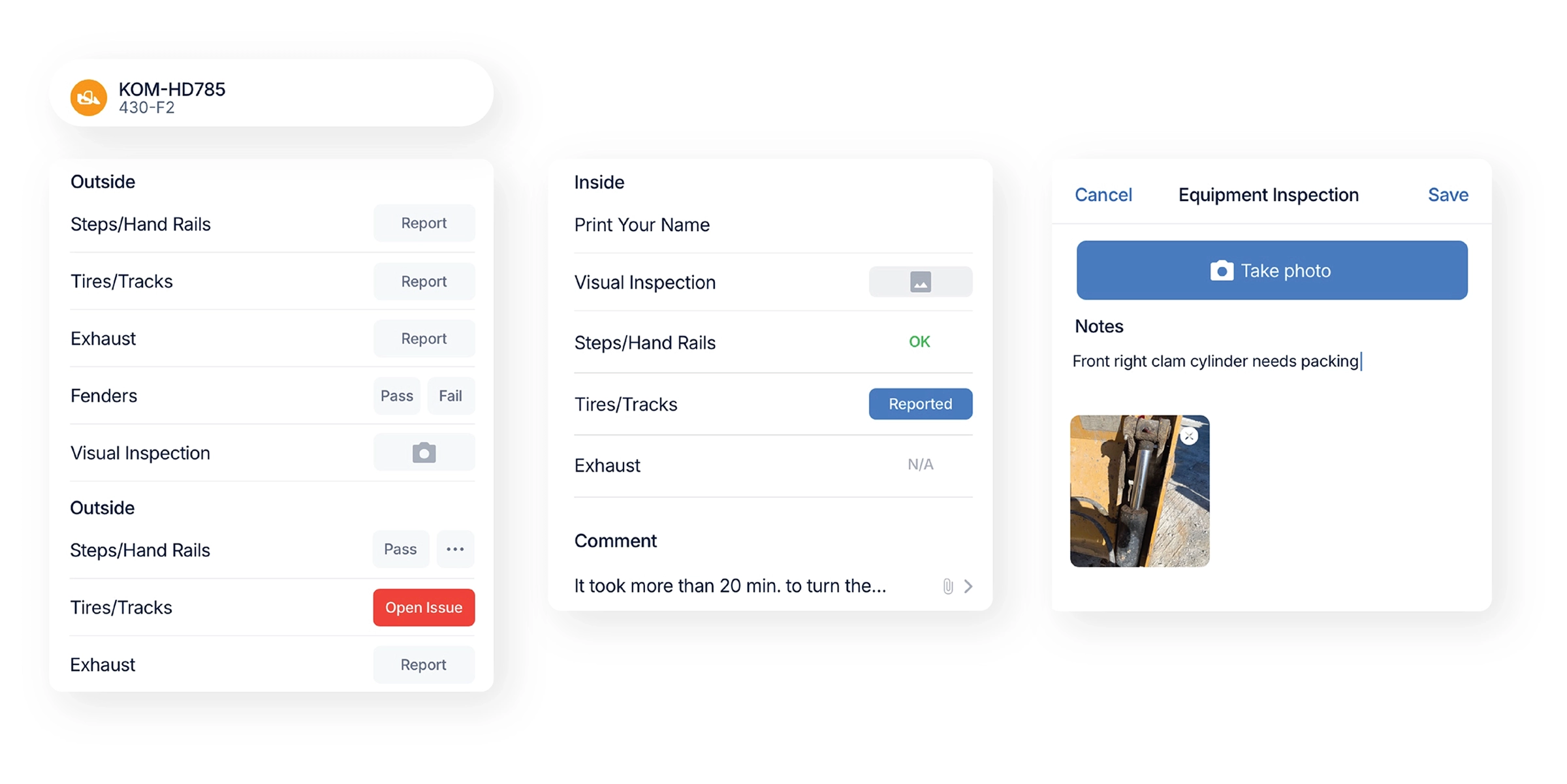
2. Mobile Inspections
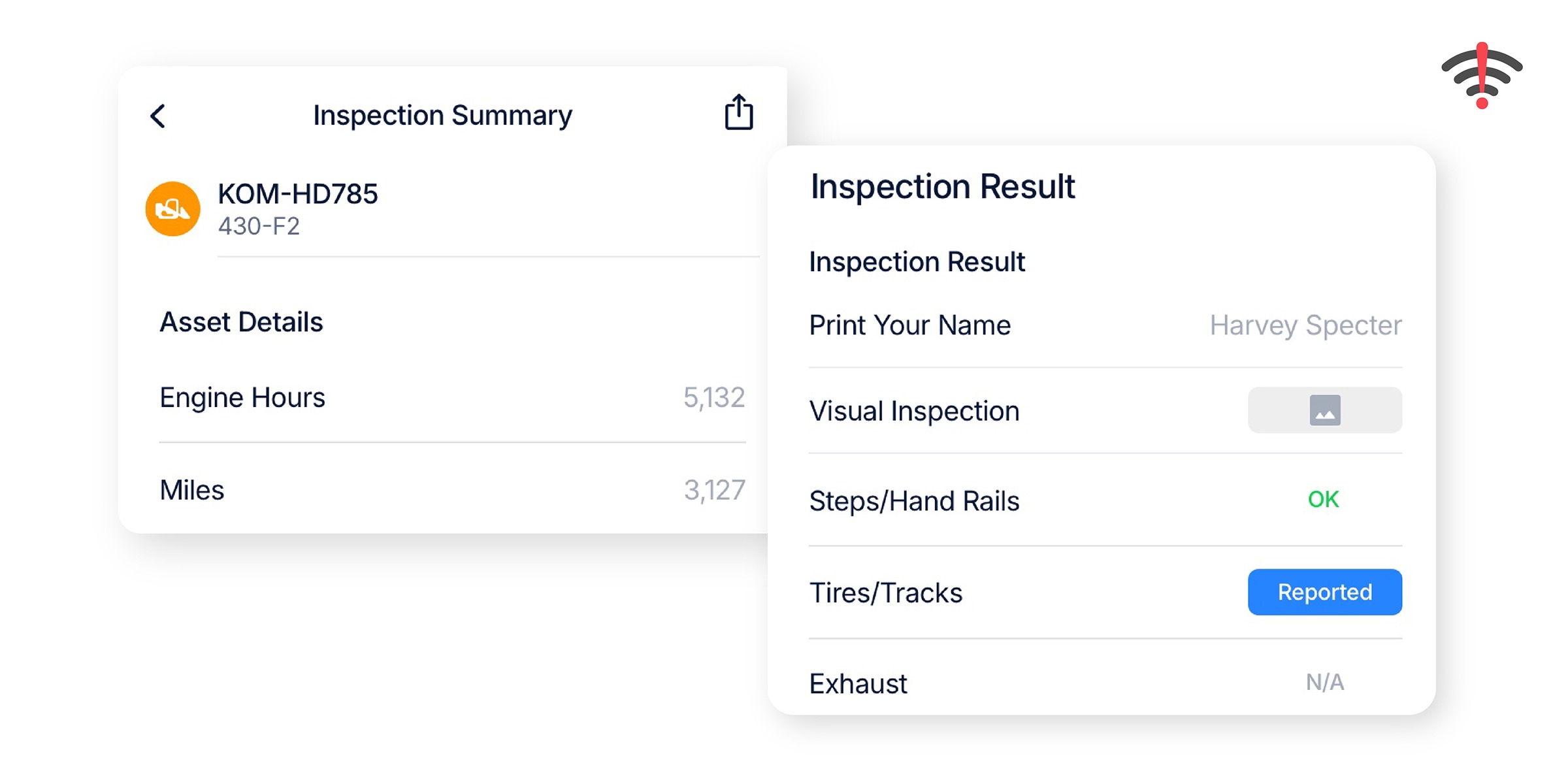
Operators can perform forklift inspections directly on their mobile devices. This allows them to conduct inspections while in the field and log results immediately. Performing inspections on-site and logging data in real time streamlines the process, reduces delays, and ensures faster identification and resolution of problems.
3. Automating Inspection Reminders and Scheduling
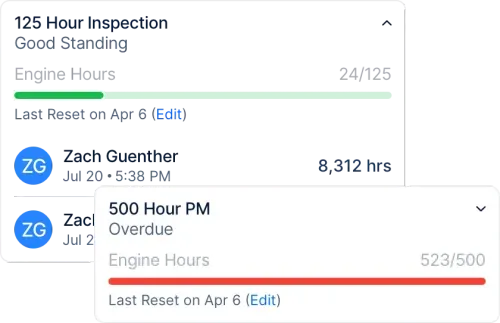
Businesses can set up automated inspection schedules for their forklifts. Operators receive reminders, ensuring inspections occur every shift, on time. Automating scheduling ensures every forklift is inspected before use without relying on memory or manual scheduling. Construction site safety management software helps teams standardize inspection records and consistently meet safety requirements.
4. Instant PDF Reports for Compliance and Documentation
After completing an inspection, Clue generates instant PDF reports that include inspection data, defects, and actions taken. Instant PDF reports streamline the compliance process, making it easy to demonstrate adherence to regulations like OSHA. They also reduce administrative burden and improve record-keeping.
5. Data Analytics and Insights
Tracking inspection results and analyzing forklift performance trends provides valuable data insights. This allows you to identify recurring issues before they become major problems. By leveraging these analytics, you can make informed decisions regarding fleet maintenance, reducing unexpected downtime and improving overall fleet efficiency.
6. QR Codes for Faster Inspections
QR codes streamline the inspection process, making it easier for operators to get the right forms and reducing confusion during inspections.
Clue uses QR code integration to make inspections quicker and more accurate. Each forklift is assigned a unique QR code, and operators can scan it to pull up the correct inspection form for that specific machine.
9. Toolbox Talks
Toolbox talks are short, informal safety meetings held on the worksite to discuss specific safety issues, including forklift operations. These talks are an excellent opportunity to reinforce the importance of daily inspections and maintenance.
Toolbox talks, supported by real-time data from Clue, are a powerful way to reinforce safety, communicate findings, and make continuous improvements in workplace safety practices.
Best Practices for Forklift Pre-Shift Inspections
Performing forklift pre-shift inspections isn’t just about checking boxes. It’s a vital practice that promotes safety, efficiency, and a proactive maintenance culture. Here’s how to maximize the effectiveness of your pre-shift inspections:
1. Standardize the Inspection Process
Standardized inspections help ensure every operator checks the same areas consistently, reducing the risk of missing critical components.
Use digital tools with customizable checklists that help operators follow a structured process. Apps like Clue guide operators and capture inspection data in real time.
2. Involve Operators in the Process
Operators who understand the importance of inspections are more likely to report defects immediately and take ownership of safety.
Regular safety briefings and training sessions will reinforce the value of daily checks, creating a culture of responsibility.
3. Implement a Reporting System
A robust reporting system ensures that no defect goes unnoticed and that issues are promptly addressed.
Whether using paper checklists or digital platforms, ensure that findings are logged and sent to maintenance for quick resolution. Platforms like Clue offer real-time reporting, helping keep everything organized.
4. Regularly Schedule Preventive Maintenance
Preventive maintenance identifies small problems before they turn into major failures, extending forklift life and avoiding downtime.
Set regular maintenance schedules based on operational use and inspection results. This ensures that forklifts undergo routine care before problems arise.
5. Continuous Training and Retraining
Even with great checklists, mistakes happen. Consistent training ensures operators stay sharp and compliant.
Schedule quarterly training sessions and offer hands-on practice to familiarize operators with the latest equipment and inspection technologies.
Challenges in Forklift Pre-Shift Inspections

Forklift pre-shift inspections are essential, but there are hurdles businesses need to overcome. Let’s look at some common challenges and solutions.
1. Human Error
Operators might overlook issues if they rush through the checklist, especially when fatigued.
Use digital tools that automatically guide operators through each step. These platforms help reduce human error and ensure inspections are completed correctly.
2. Inconsistent Inspections
If different operators perform inspections at different levels of thoroughness, some forklifts may not receive the same level of attention, leading to safety risks.
Standardize the inspection process across all operators to ensure uniformity. Using mobile apps can help with this by guiding operators through a consistent inspection workflow.
3. Time Constraints
Operators are often under time pressure and may rush through inspections to get the forklift into service quickly, leading to missed defects.
Emphasize a safety-first culture. Create incentives or recognition programs to encourage thorough inspections, even under tight schedules.
4. Lack of Immediate Feedback or Action
Even if defects are identified, they may not be reported or addressed quickly, potentially allowing issues to worsen.
Implement real-time reporting systems that send instant alerts to maintenance teams when defects are found. This ensures issues are dealt with promptly.
5. Resistance to Technology
Some operators may resist transitioning to digital inspection tools, preferring traditional paper-based methods.
Gradually introduce digital tools, providing adequate training and emphasizing the benefits of efficiency and accuracy in inspections. Demonstrating how the tool improves their workflow can drive adoption.
Wrapping Up
A daily pre‑shift forklift inspection checklist keeps workers safe, prevents equipment breakdowns, and supports compliance. It’s a short routine with long‑lasting benefits: fewer accidents, reliable operations, and better maintenance planning. Walking around a forklift for five minutes may seem small, but it protects people, improves efficiency, and builds a stronger safety culture.
Next shift? Before you start the engine, look, listen, and check. It’s the smartest move you make that day.
FAQs
1. Why are daily pre‑shift forklift inspections required, and what happens if they’re skipped?
Daily pre‑shift forklift inspections are mandated by OSHA to ensure forklifts are safe to operate before each shift begins. These inspections help identify issues like leaks, wear, or faulty components that could lead to accidents or equipment failure. If the inspection is skipped or the forklift is found unsafe, it must be removed from service immediately until repaired. Not following these requirements can result in fines, citations, and a higher risk of workplace accidents.
2. Who is responsible for conducting the pre‑shift inspection, and how often must it be done?
The forklift operator is typically responsible for performing the daily pre‑shift inspection. OSHA requires that inspections be conducted before each shift to ensure the forklift is in safe working order. If a forklift is used across multiple shifts, it must be checked at the beginning of each shift to confirm its readiness. The operator must be trained and qualified to spot issues, ensuring that safety protocols are followed, and the equipment remains operational throughout its use.
3. What are the common consequences of inadequate or poorly documented inspections?
Inadequate or poorly documented forklift inspections can lead to significant safety risks, operational downtime, and regulatory violations. When inspections are skipped or improperly documented, minor issues can go unnoticed, escalating into costly repairs or accidents. Moreover, inadequate documentation can leave a business exposed during OSHA audits or in the event of a workplace incident. Failing to demonstrate proper inspections increases liability and can result in fines or penalties.

Transform Your Equipment Management


%20What%20It%20Is%20and%20What%20to%20Include.webp)


