What is Construction Efficiency and How to Maximize It?


Hi, I’m Maham Ali. I write about construction equipment management, helping teams use fleet data and maintenance intelligence to improve uptime, control costs, and run smoother jobsites.
Construction efficiency is crucial in today's competitive industry, where companies must make the most of limited resources.
Improving construction efficiency involves more than speeding up processes; it's about increasing value and minimizing waste at every step.
Through better resource management and advanced technologies, construction companies can improve efficiency and deliver high-quality projects on time and within budget.
Global construction productivity has grown only about 0.4% annually between 2000 and 2022, compared with roughly 2% annual growth for the total economy, highlighting how the industry has lagged behind others in efficiency gains.
In this blog, we explore what construction efficiency is, why it matters, and strategies to maximize it using innovative tools and methodologies. From construction telematics to predictive maintenance software, these technologies are key to driving improvement.
What is Construction Efficiency?

Construction efficiency is the ability to complete projects using optimal time, labor, equipment, and materials, while minimizing waste, delays, and resource underutilization to achieve maximum output and project performance.
The Importance of Construction Efficiency
Construction efficiency affects every aspect of project delivery, from cost control to productivity. Inefficiencies on-site can lead to delays, budget overruns, and unnecessary resource consumption. By optimizing construction processes, companies can:
- Reduce operational costs
- Improve timelines
- Enhance overall project quality
According to the World Economic Forum, a 1% rise in global construction productivity could save about $100 billion per year.
Adopting digital tools can also lead to significant time savings. In fact, companies that use project management software and data-driven tools can often improve coordination and respond to issues faster.
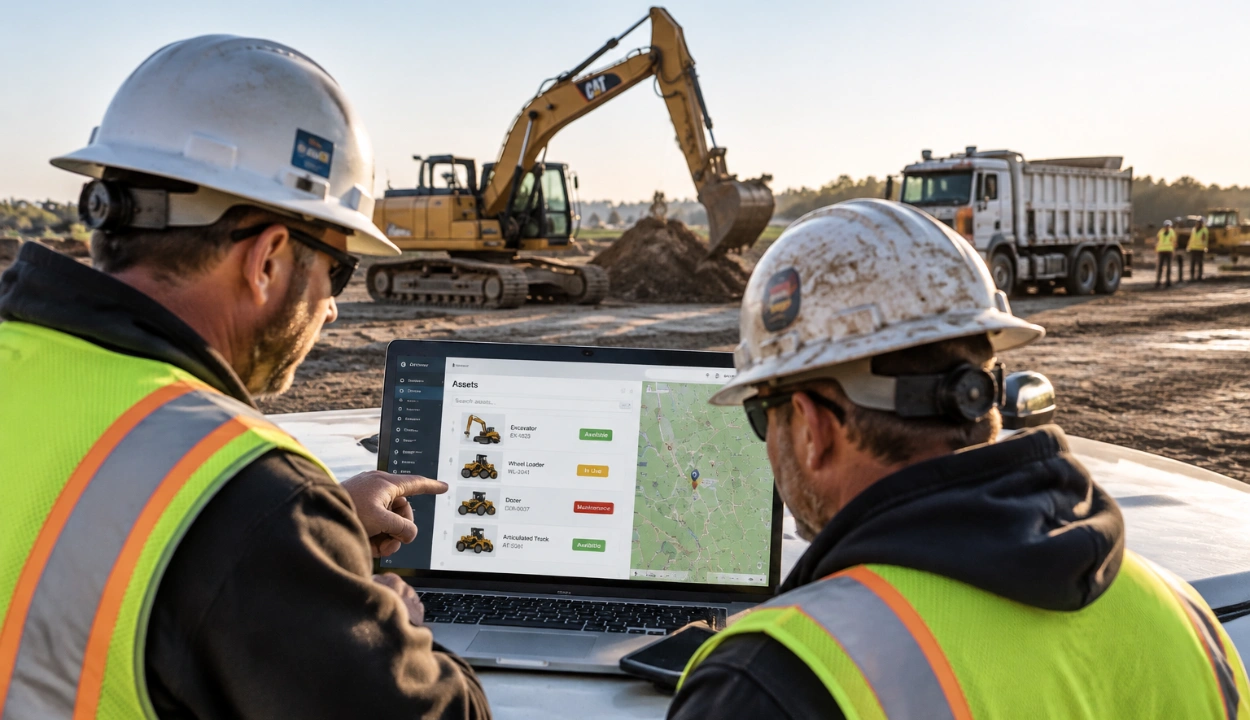
Clue centralizes equipment and operations data, giving teams better visibility into equipment performance, utilization, and resource use.
By bringing telematics and maintenance data into one platform, Clue helps teams monitor equipment more efficiently. This helps construction managers identify potential delays earlier. It also helps them optimize equipment allocation and coordinate work more effectively.
Types of Efficiency in Construction

Companies should focus on several key areas of construction efficiency to improve overall productivity and minimize waste:
1. Operational Efficiency in Construction
Operational efficiency focuses on streamlining processes, improving task execution, and managing resources effectively. This involves minimizing idle equipment time, reducing labor delays, and ensuring that materials arrive as scheduled.
By tracking real-time progress with systems like Clue, project managers gain complete visibility into equipment and resource allocation, ensuring optimized workflows and fewer bottlenecks.
2. Site Telematics Efficiency
Telematics technology helps teams track equipment usage, fuel consumption, and maintenance needs in real time. This allows construction managers to monitor equipment health and ensure it is being used efficiently.
With Clue, telematics data is centralized, giving teams better insight into equipment uptime and highlighting opportunities to improve utilization, reduce idle hours, and control costs.
3. Energy Efficiency in Construction
Energy efficiency involves reducing the amount of energy consumed during construction and operations. Using energy-efficient equipment, sustainable materials, and better job-site planning can help reduce energy use and operating costs.
By adopting energy-efficient practices, construction teams can reduce fuel consumption, lower emissions, and meet regulatory sustainability goals.
Best Strategies to Improve Construction Efficiency

Improving construction efficiency takes more than one fix. Teams need stronger planning, better visibility, and consistent systems that reduce waste, support faster decisions, and keep labor, equipment, and materials aligned with project demands.
1. Implement Lean Construction Practices
Lean construction helps reduce waste and improve value across the project lifecycle. Better workflow planning, tighter coordination, and less material waste help teams stay productive and avoid delays.
2. Use Construction Efficiency Software
Construction software helps teams manage timelines, tasks, and operational data in one place. Platforms like Clue bring equipment, maintenance, and project information together, making it easier to track performance and respond faster.
3. Optimize Equipment Utilization
Equipment is a major construction expense, making effective utilization essential. Construction equipment utilization software helps teams monitor usage, reduce idle time, and match equipment availability with jobsite demand to control costs and improve productivity.
4. Use Telematics for Performance Tracking
Telematics gives teams better visibility into equipment activity, fuel usage, and operating trends. This helps managers identify underused assets, improve deployment, and make better decisions across jobsites.
5. Standardize Maintenance Planning
Regular maintenance helps prevent breakdowns and keep equipment available when needed. Scheduled inspections and timely service reduce emergency repairs, extend equipment life, and support more reliable project execution.
6. Track Key Performance Indicators
KPIs such as equipment uptime, utilization rates, and maintenance costs help teams measure performance clearly. Tracking these metrics makes it easier to spot inefficiencies and improve decisions over time.
7. Strengthen Team Collaboration
Construction projects depend on clear coordination between field teams, managers, and other stakeholders. Digital communication and shared project updates help reduce confusion, avoid rework, and keep work moving.
8. Improve Material Planning and Delivery
Strong material planning helps prevent delays and reduce waste. Accurate forecasting, inventory tracking, and timely delivery keep materials available when needed without creating unnecessary surplus.
Technologies Driving Construction Efficiency
Adopting the right technology plays a major role in improving construction efficiency. Here's a look at how modern tools are shaping construction operations:
1. IoT and Sensor Technologies
IoT devices and sensors continuously monitor equipment and job-site conditions, providing real-time data on asset health, fuel consumption, temperature, and more. This enables early detection of problems before they lead to downtime.
Clue integrates with 80+ systems, bringing real-time equipment data into a unified dashboard. This allows teams to access location, utilization, and maintenance alerts in one place, helping prevent unplanned downtime and improving overall equipment performance.
2. Predictive Maintenance Tools
Predictive maintenance uses real-time data from sensors to anticipate when equipment will require service, preventing unexpected breakdowns. Clue's predictive analytics feature forecasts when maintenance will be needed, ensuring timely interventions and reducing costly repairs.
3. Artificial Intelligence (AI) and Machine Learning
AI and machine learning are being used to predict failure patterns and maintenance needs. By analyzing historical data and real-time performance metrics, AI tools help improve the efficiency of construction equipment and reduce unnecessary downtime.
Clue utilizes AI to suggest optimal maintenance schedules based on real-time equipment usage, improving efficiency and extending equipment lifespan.
Challenges to Overcome in Maximizing Construction Efficiency

While improving construction efficiency is key to business success, several challenges need to be addressed:
1. Limited Resources
Smaller construction firms, in particular, may face budget and manpower constraints when implementing new efficiency tools. They might lack the necessary funding to invest in advanced technologies or may struggle with a limited workforce to carry out daily maintenance and repairs.
2. Data Integration Issues
Construction companies often rely on multiple systems, including telematics, maintenance management software, and project management tools, that may not communicate seamlessly with each other. This fragmentation of data sources can make it difficult for managers to obtain a unified view of equipment performance, project progress, or resource availability.
3. Lack of Skilled Labor
As equipment becomes increasingly sophisticated, the demand for highly skilled maintenance technicians is on the rise. Routine maintenance tasks, especially those involving advanced machinery, require technical expertise. Many construction companies struggle to recruit and retain skilled workers, which affects equipment uptime and overall operational efficiency.
4. Project Complexity and Scope Creep
Large construction projects often face unexpected changes in scope, which can lead to inefficiencies. These changes, known as scope creep, can occur when additional work is added to a project without proper planning, resource allocation, or time extension. As a result, construction projects experience delays, resource strain, and budget overruns.
5. Inadequate Communication and Collaboration
Construction projects involve multiple stakeholders, including contractors, subcontractors, engineers, architects, and suppliers. Miscommunication between these parties can lead to errors, delays, and cost overruns. Poor coordination can also result in work being repeated or not executed according to specifications.
6. Regulatory Compliance and Safety Standards
Construction companies face stringent regulatory requirements and safety standards, which can vary depending on location and project type. Compliance with these regulations is necessary to avoid fines, delays, and safety violations, all of which can negatively affect project efficiency.
Clear compliance processes and regular safety checks can help teams avoid delays and keep work moving. Additionally, having a streamlined system to track safety checks and document compliance can prevent costly fines and safety-related delays.
Conclusion
Maximizing construction efficiency is essential to ensuring projects stay within budget, on schedule, and meet quality standards. By adopting technologies like construction telematics, AI, and predictive maintenance tools, construction companies can enhance their operations and improve resource utilization.
Clue brings these technologies into one platform, helping teams track equipment health, optimize maintenance schedules, and make more informed decisions that improve construction efficiency.
By focusing on efficient workflows, better tools, and continuous improvement, construction teams can build more productive, sustainable, and cost-effective operations.
FAQs
1. What's the difference between construction efficiency and construction productivity?
Construction efficiency refers to using fewer resources (time, labor, materials) for the same output. Construction productivity measures how much output is produced per unit of input. While related, one focuses on resource optimization and the other on output per resource.
2. How does poor time tracking impact project outcomes?
Inaccurate time tracking can erode cost estimates, misrepresent labor utilization, and skew progress metrics, making it harder to manage schedules and labor allocation effectively. Poor time data distorts decision-making and reduces overall project reliability.
3. Can supply chain inefficiencies affect construction efficiency?
Yes. Inefficient procurement and logistics planning can cause material delays and idle crews, directly impacting project timelines. Modern supply chain practices, such as real-time inventory tracking and just-in-time delivery, can help reduce these delays.
4. How does workforce skill level influence project efficiency?
Skill gaps and lack of training reduce efficiency by increasing rework, delays, and errors. Investing in workforce training and upskilling leads to faster execution, fewer mistakes, and more predictable performance.
5. What role does planning accuracy play in construction efficiency?
Accurate preconstruction planning identifies risks before execution, aligns resources, and avoids costly last‑minute decisions. Detailed planning minimizes rework and enhances sequence predictability, improving overall project flow.
6. Why is communication a significant driver of efficiency on site?
Poor communication contributes to misaligned tasks, repeated work, and delays. Clear, real‑time communication channels ensure teams understand priorities, changes, and requirements, reducing confusion and coordination failures.
7. How does waste reduction improve project performance?
Reducing waste, whether through material optimization, workflow efficiency, or lean principles, improves resource utilization. For example, focusing on preventing unnecessary material orders and minimizing idle time boosts project quality and cost control.
8. What non‑technical factors influence construction efficiency?
Cultural and organizational factors, such as leadership commitment, team collaboration, and operational discipline, significantly affect efficiency. Projects with disciplined execution and aligned teams have fewer disruptions and better outcomes.
Transform Your Equipment Management