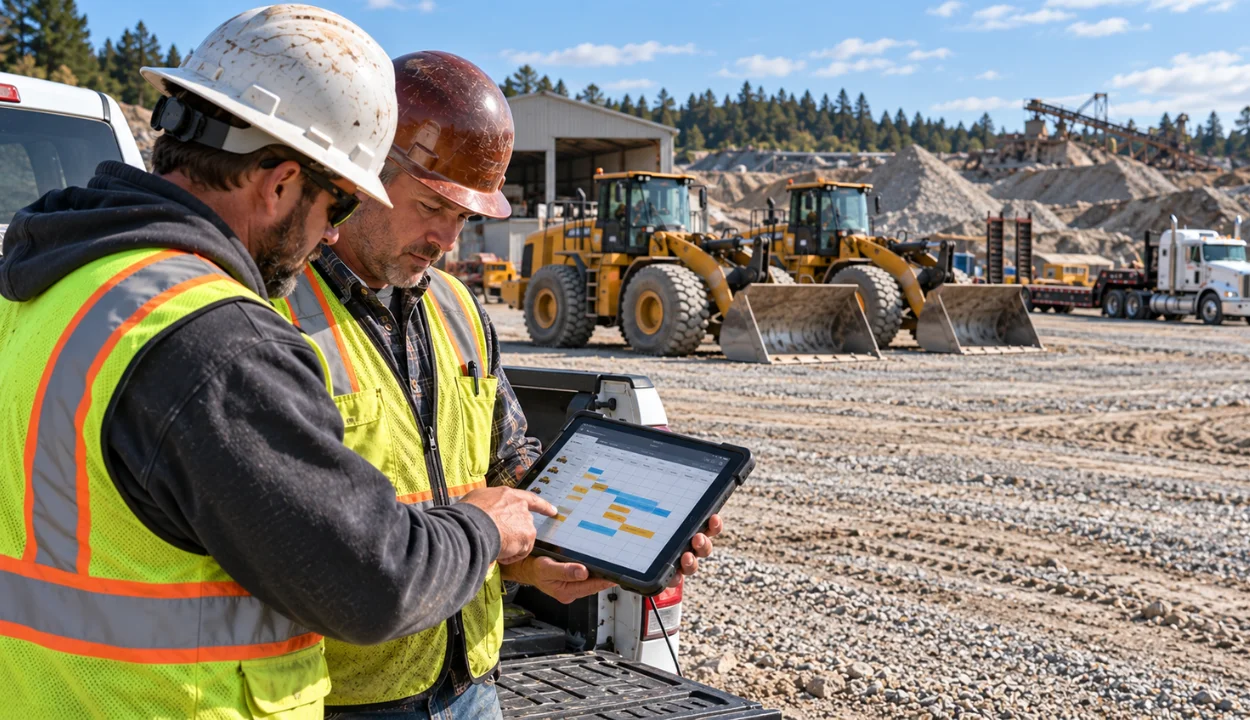
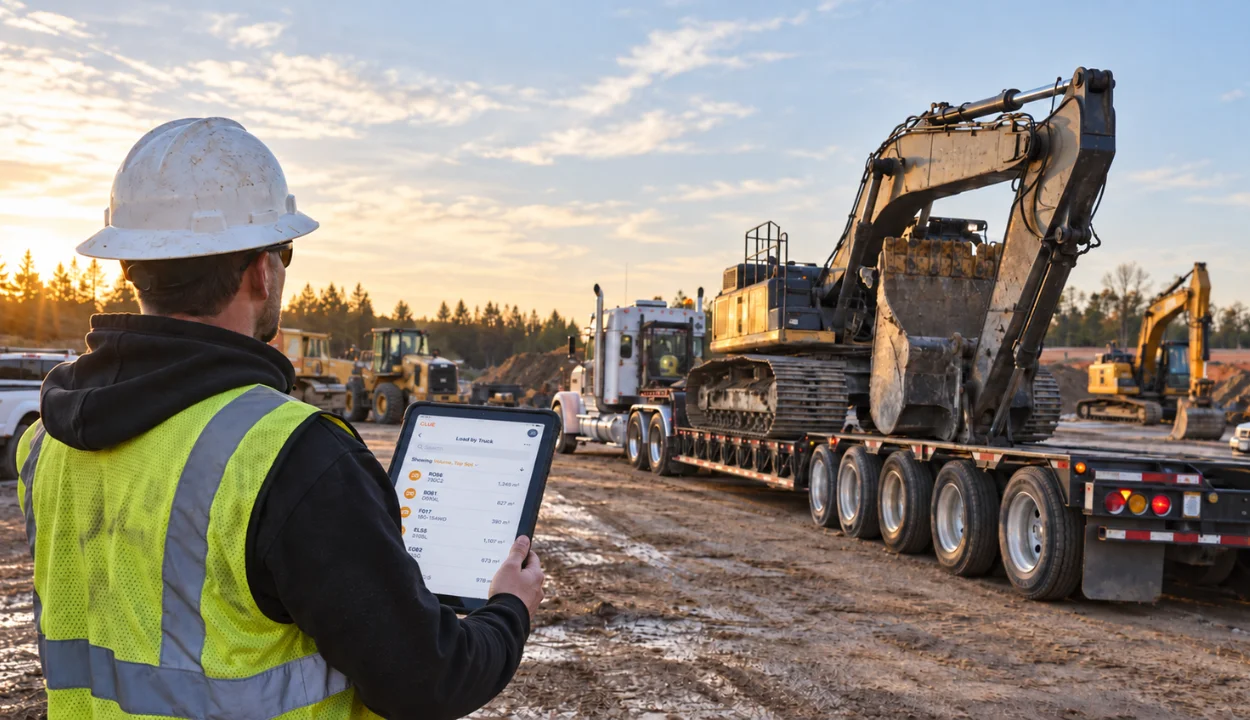
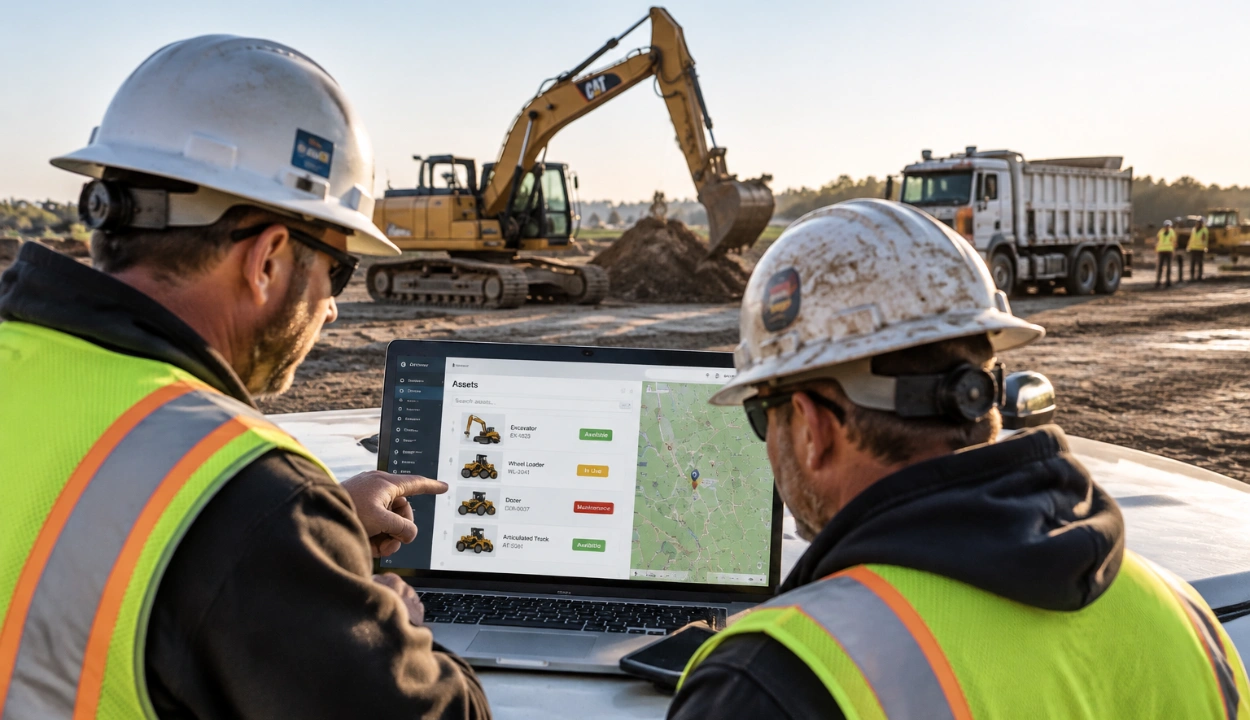
If you're still manually tracking equipment, chasing down parts, and scrambling to manage downtime, you're losing money. A lot of money. Most contractors know they need construction equipment management software, but picking the wrong one can cost you millions in lost productivity, downtime, and wasted resources.
A report found that predictive maintenance in logistics fleets has been associated with a 50% reduction in fleet downtime, a 40% cut in maintenance costs, and a 60% drop in equipment failure rates. That's what's possible when you get the choice right. But most contractors don't. They make decisions based on price, features that look good on paper, or pressure from their team. And the cost of those mistakes stacks up fast.
Let's cut through the noise and show you how to avoid the four biggest mistakes contractors make when choosing equipment software. You've got enough fires to put out; you don't need one more.
1. Getting Stuck With One Hardware Vendor
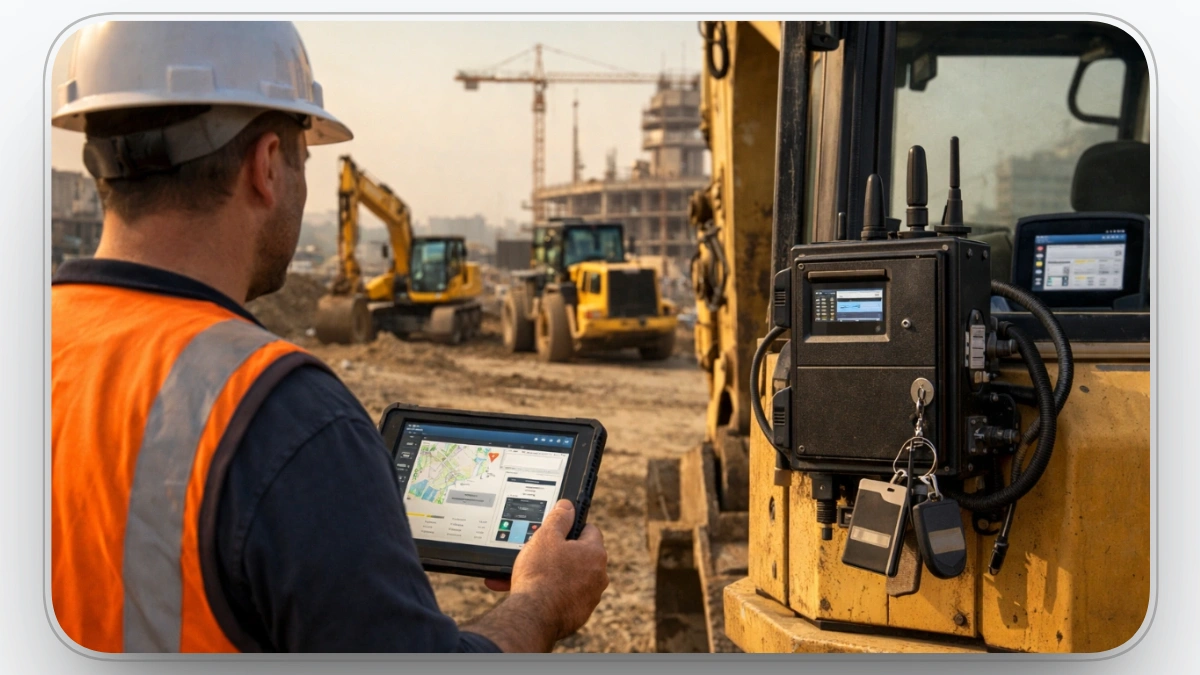
You buy a piece of equipment, and it comes with telematics, tracking systems, and a software solution that only works with that brand. Now, you’re tied to that vendor for the long haul. No matter what happens, you can’t just switch to a better option without paying the price.
Software vendors love to sell you everything: hardware, software, and service, all from the same brand. But this locks you into their system, making it harder to shop around when your needs change.
You’re paying twice, once for the hardware and again for their data, but you’re not even getting all the data you could.
Telematics systems are now widely adopted across U.S. construction fleets with the U.S. accounting for roughly 89 % of North America’s construction equipment telematics market revenue in 2024, highlighting how essential connected equipment tracking has become for contractors looking to remain competitive.
The Fix
Choose hardware-agnostic software. Look for a solution that connects with any telematics system, not just one vendor. This way, you don’t get trapped with overpriced hardware, and you can negotiate better deals. Plus, your system will scale as you grow.
When you decouple your hardware and software, you have the freedom to choose the best tools at the best prices without sacrificing flexibility.
Telematics systems can deliver substantial returns: properly implemented telematics solutions have been shown to generate average returns of 650%–850% over an 18‑month period, through fuel savings, route optimization, maintenance cost reduction, and operational efficiency improvements.
2. Picking a “One-Size-Fits-All” Solution
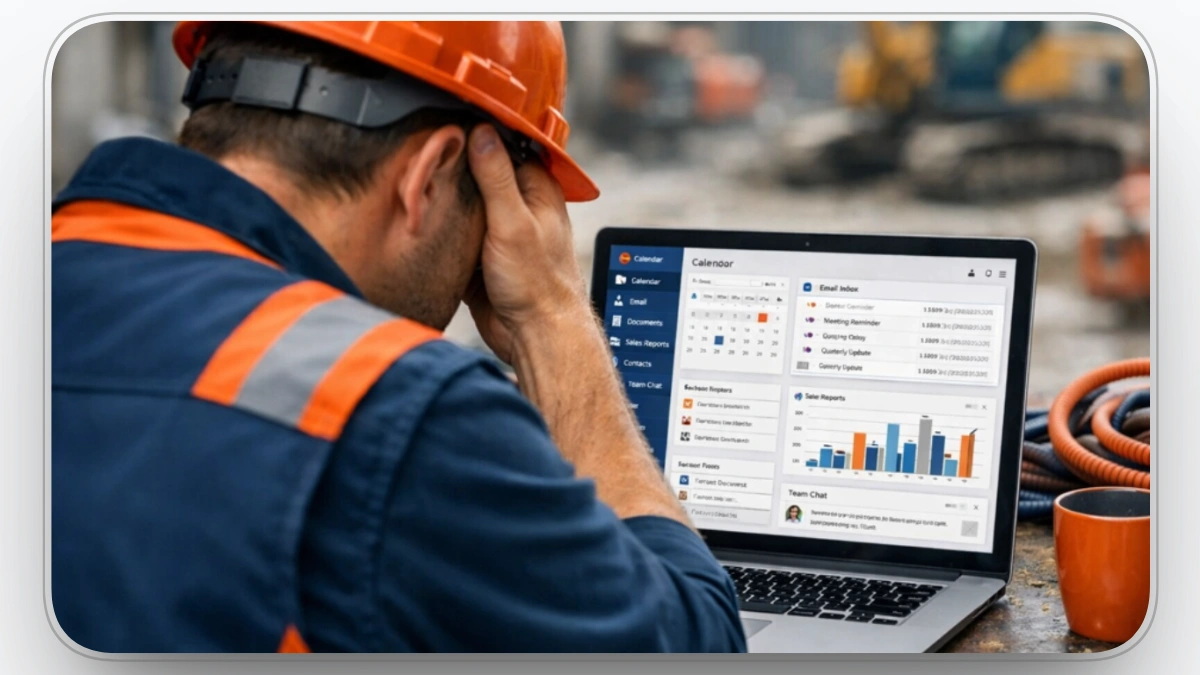
You sign up for software that promises to fix everything, but once you dig in, you realize it’s missing key features. Sure, it tracks labor and maintenance costs, but it doesn’t integrate with your telematics, doesn’t automate work orders, and doesn’t allow your team in the field to track issues in real time.
Too often, contractors choose software based on a checklist; does it track maintenance? Does it manage parts inventory? But software that doesn’t integrate with telematics or handle equipment diagnostics isn’t much better than a spreadsheet.
You need more than a glorified to-do list.
Construction tech adoption broadly faces real integration challenges: surveys indicate that cost, training, complexity, and workflow disruption are significant barriers to adopting new technology in construction, including tools that must work together.
In one industry summary, 45% of construction leaders cited increased operational costs (including integration and training) as a major barrier to new tech adoption.
The Fix
Look for software that integrates with your existing telematics systems. Ensure it has features like automated work order creation from fault codes, real-time task tracking, and seamless integration with your ERP system. Your software should work for you, not the other way around.
Construction industry data shows that telematics‑powered predictive maintenance can reduce downtime by 30–50%. One industry publication notes that AI and telematics in construction equipment management reduce unplanned downtime by up to 50%, thanks to real‑time sensor data and proactive maintenance scheduling.
3. Going with Outdated, Legacy Software
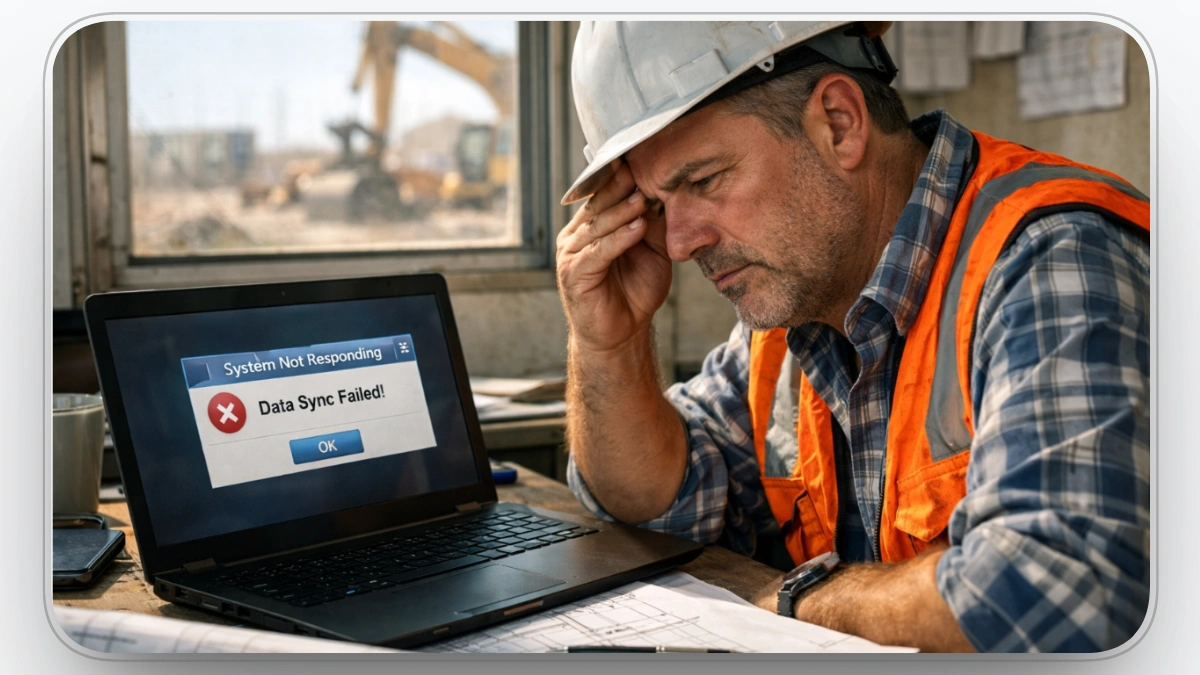
You’ve got software that’s been around for years. It looks familiar, so it must work, right? But lately, things aren’t running as smoothly. Your equipment isn’t as well-utilized as it could be, and your system’s integrations with new tools and technologies are, well, non-existent.
Legacy software is built on outdated technology; systems that were developed before the modern age of cloud-based platforms, mobile apps, and seamless integrations. These systems can’t scale with your needs, and they often don’t support integrations with new technologies.
Research on AI adoption in construction and engineering found that one of the top barriers was a legacy‑based technology landscape (41 %), along with security concerns and data complexity, underscoring that outdated systems and integration issues slow adoption of modern tools.
The Fix
Upgrade to modern cloud-based software that’s designed to scale and integrate with other tools. Look for systems built for today’s needs, real-time data access, seamless integration with telematics, and the ability to quickly add new features as your business grows.
Cloud-based software is faster, more agile, and easier to integrate with other systems. It provides you with access to up-to-date data, which leads to smarter decisions, fewer breakdowns, and less downtime.
Unlike legacy systems, Clue's cloud-based platform offers an agile, modern interface that scales with your needs. Whether you are tracking a few machines or hundreds, Clue’s intuitive UI simplifies operations, keeping your teams connected and productive.
4. Skipping Strategic Implementation

You’re told the software will be up and running in no time, but a few months down the road, your team is still struggling to use it. Data’s not migrating correctly, workflows are broken, and the training just didn’t cut it.
Now, instead of being productive, you’re playing catch-up.
Vendors sell the software as “easy to implement” and promise a quick start. But no one tells you that it takes more than just flipping a switch. The truth is, without proper training, data migration, and user adoption strategies, even the best software won’t work.
McKinsey research shows that roughly 70% of transformation efforts fail to deliver their intended value with execution challenges like unclear objectives, inadequate organizational readiness, and weak change management often cited as contributing factors.
The Fix
Work closely with the vendor to ensure the system is customized to fit your processes. Make sure they help with data migration and cleaning, and invest time in training your team. If your vendor isn’t actively guiding you through the implementation, you’re setting yourself up for failure.
With the right support during implementation, the software will fit seamlessly into your operations. You’ll reduce the risk of mistakes, increase user adoption, and ensure the system works as it should from day one.

What Changes When Your Systems Are Connected
Now that we’ve tackled the biggest mistakes contractors make, let’s talk about what’s at stake. The right equipment management software doesn’t just help you avoid pitfalls, it saves money and improves your bottom line.
- Telematics: Clue connects with 70+ telematics, GPS, and asset tracking systems including OEM telematics from brands like Cat VisionLink, John Deere JDLink, and Komtrax, so you get all your real‑time equipment data in one place instead of logging into multiple portals.
This means you can see utilization, idle time, fuel use, location, and fault codes from all machines immediately and act on them fast. With this level of integration, you reduce manual tracking and make decisions that cut downtime, lower fuel waste, and optimize fleet deployment, helping you actually achieve those telematics‑based cost reductions.
- Predictive Maintenance: Clue turns telematics data into actionable maintenance workflows.
It automatically schedules preventive maintenance based on engine hours, usage patterns, or fault codes, and can auto‑generate work orders when issues are detected. Real‑time alerts and centralized maintenance tracking remove guesswork and keep equipment running longer between breakdowns.
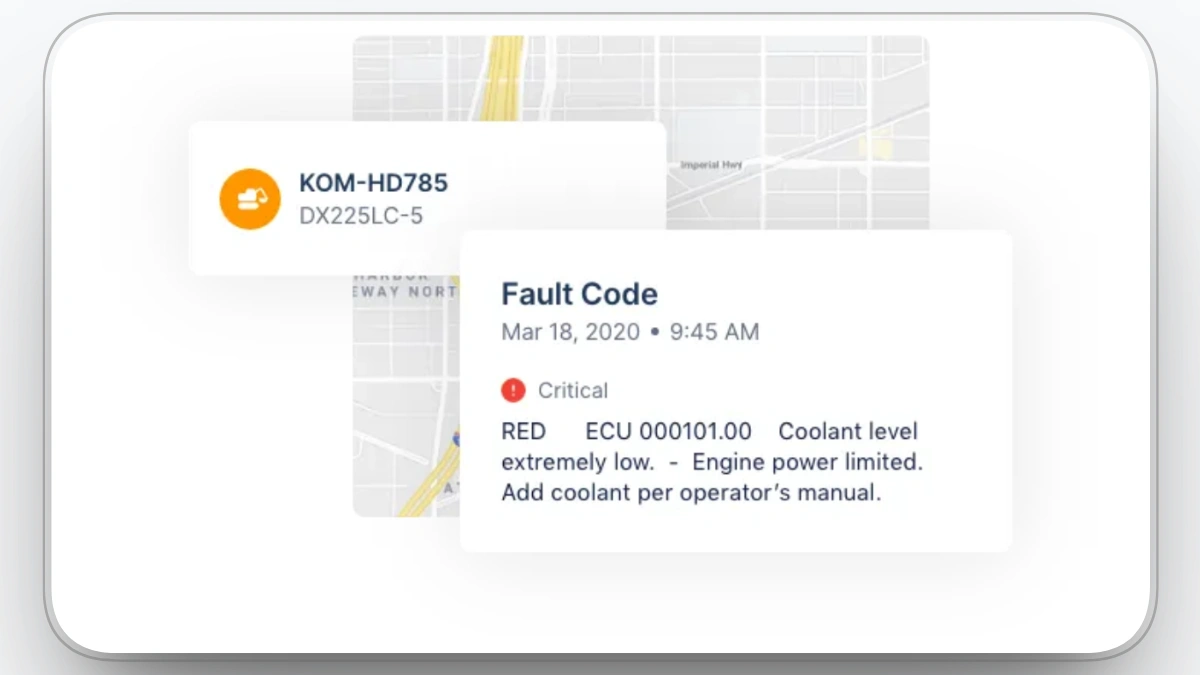
- ERP Integration: Clue doesn’t just track machines it plays well with your business systems. Deep integrations with construction ERPs and CMMS tools like HCSS Equipment360, Viewpoint Vista, Viewpoint Spectrum, and more bring equipment time, maintenance costs, and utilization data back into your core back‑office systems.
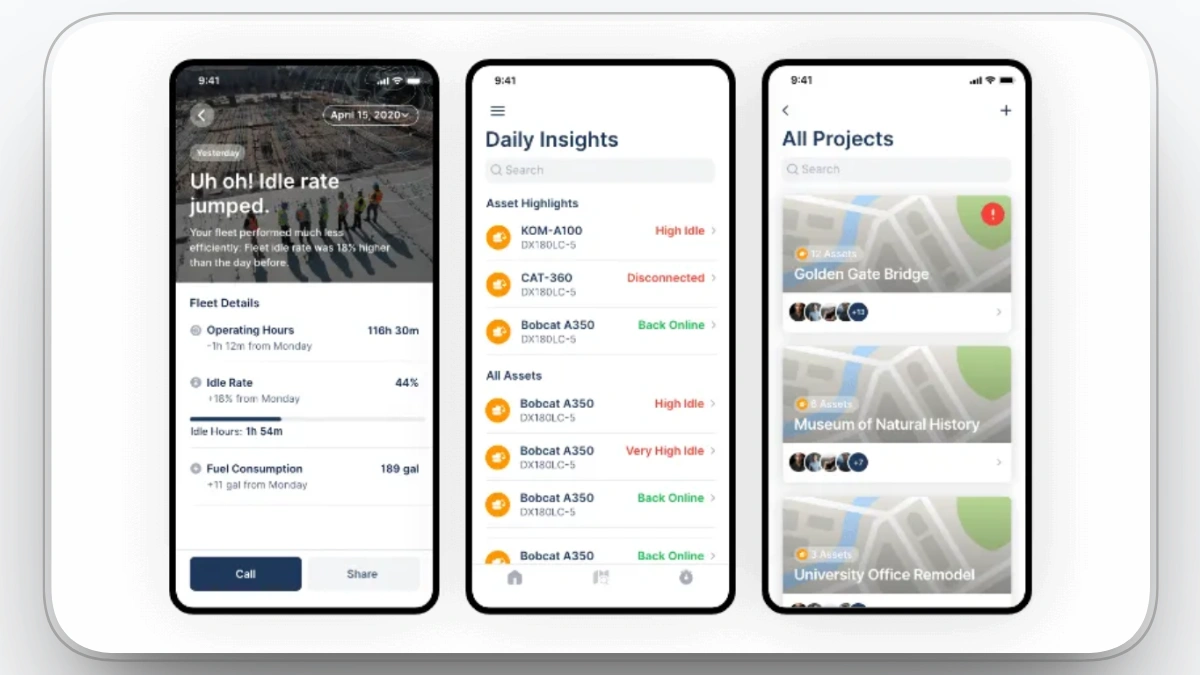
This helps ensure accurate job costing and billing, automated time capture, and fewer manual entries or reconciliation errors, all of which are key reasons ERP‑linked telematics is credited with reduced admin overhead and smoother project performance.

Final Thoughts
Choosing the right equipment management software isn’t just about picking a system that works, it’s about picking one that solves real problems and scales with your business. The wrong choice can cost you in downtime, wasted parts, and missed opportunities.
If you avoid these four costly mistakes, you’ll set yourself up for long-term success. You’ll have software that integrates with your tools, scales with your growth, and works for your team. And you’ll stop putting out fires and start seeing the ROI from your investment.
Ready to make the leap? Start today by looking at your current system and asking whether it’s really working for you. If not, it’s time to make the switch to a smarter, more flexible solution like Clue.
Related: our guide to the best construction equipment management software compares the leading platforms for 2026.
FAQs
1. What are the key benefits of using equipment management software in construction?
Equipment management software helps construction companies track asset performance, reduce downtime, and manage maintenance schedules efficiently. By integrating real-time data from telematics, these solutions enable contractors to monitor fuel consumption, track machine utilization, and predict maintenance needs. This leads to cost savings, increased equipment lifespan, and more productive operations.
2. How can predictive maintenance improve fleet performance?
Predictive maintenance leverages data from telematics and sensors to predict when equipment will fail, enabling contractors to perform maintenance before breakdowns occur. This proactive approach reduces unplanned downtime, lowers repair costs, and extends the life of machines. It also helps optimize asset utilization by ensuring equipment runs efficiently without costly delays.
3. Why is it important for equipment management software to integrate with ERP systems?
Integrating equipment management software with your ERP system ensures seamless data flow between operations and financial tracking. This allows for accurate job costing, automated time capture, and real-time equipment tracking. Integration streamlines processes, eliminates manual data entry, and reduces administrative costs, making it easier to manage resources and improve project profitability.

Transform Your Equipment Management