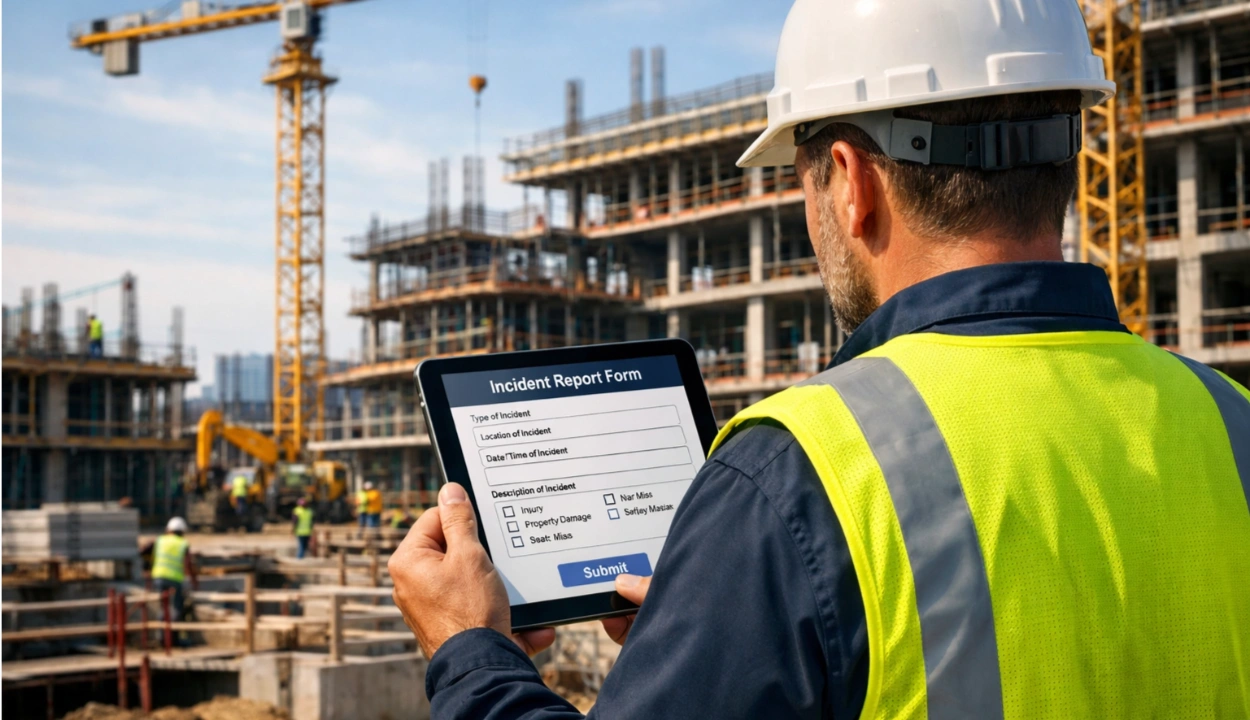
10 Essential Tips for Managing Health and Safety in Construction


Hi, I’m Maham Ali. I write about construction equipment management, helping teams use fleet data and maintenance intelligence to improve uptime, control costs, and run smoother jobsites.
Managing health and safety in construction is the process of planning, identifying, monitoring, and mitigating physical and environmental risks across job sites, equipment yards, and warehouses. When this process breaks down, projects face costly delays, regulatory fines increase, worker morale drops, and, most critically, lives are put at risk. For construction firms, safety is more than a regulatory requirement. It is a core operational function that protects the workforce and supports stable project delivery.
Effective safety management requires more than a written set of rules. It requires clear visibility into site hazards, equipment condition, worker training status, and the safety procedures being followed across each job site. That is why modern health and safety management combines field-ready processes with real-time software, mobile updates, and clear accountability.
This guide outlines ten practical tips that help contractors reduce incidents, support OSHA compliance, improve equipment reliability, and build a stronger safety culture across every job site. Applying these ten safety management practices can help your firm reduce risk, improve consistency, and keep projects running more smoothly.
10 Tips for Effective Construction Health and Safety Management
Navigating the complexities of a modern construction site requires a structured framework that integrates safety into every phase of the project lifecycle. These ten tips provide a practical framework for improving construction safety, maintaining compliance, and reducing risk across daily operations.
1. Commit to a Comprehensive Safety Program
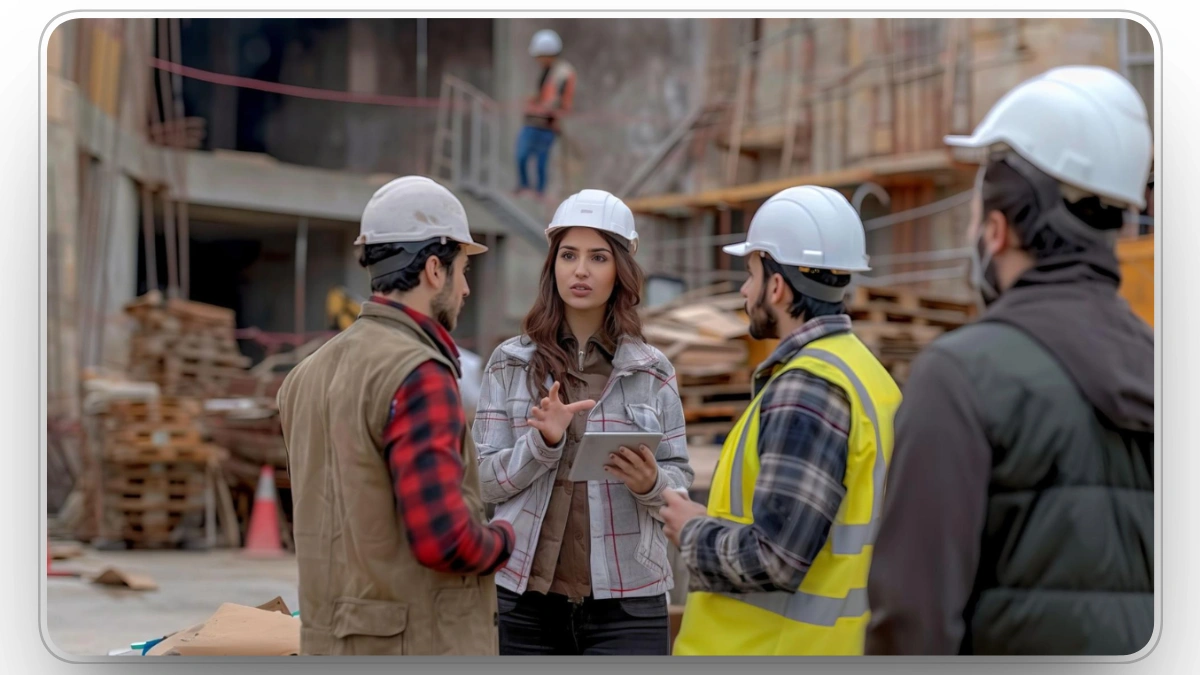
Committing to a comprehensive safety program is essential for effective health and safety management in construction. It establishes clear protocols, reduces risks, and ensures compliance across every project phase.
By implementing regular safety audits and training sessions, construction companies can significantly lower accident rates and improve overall project safety. A well-structured program establishes a solid foundation for successful health and safety management in construction.
Ultimately, it protects workers and supports smoother day-to-day operations. Clue's safety management software can support this effort by centralizing safety documentation, inspections, and compliance records in one place.
2. Engage and Involve Workers in Safety Initiatives
Involving workers in safety initiatives makes safety programs more practical and effective. When workers actively participate and provide input, they help identify potential hazards and develop practical solutions.
For example, weekly safety meetings give workers an opportunity to share first-hand insights about site hazards and preventive actions, which can lead to stronger safety planning. Workers who are on the job site daily are better equipped to identify ongoing hazards that need immediate attention.
Active involvement helps workers understand and follow safety procedures while improving accountability on the job site. Clue's mobile app can support this process by allowing workers to report hazards and complete safety forms directly from the field.
3. Conduct Regular and Thorough Risk Assessments
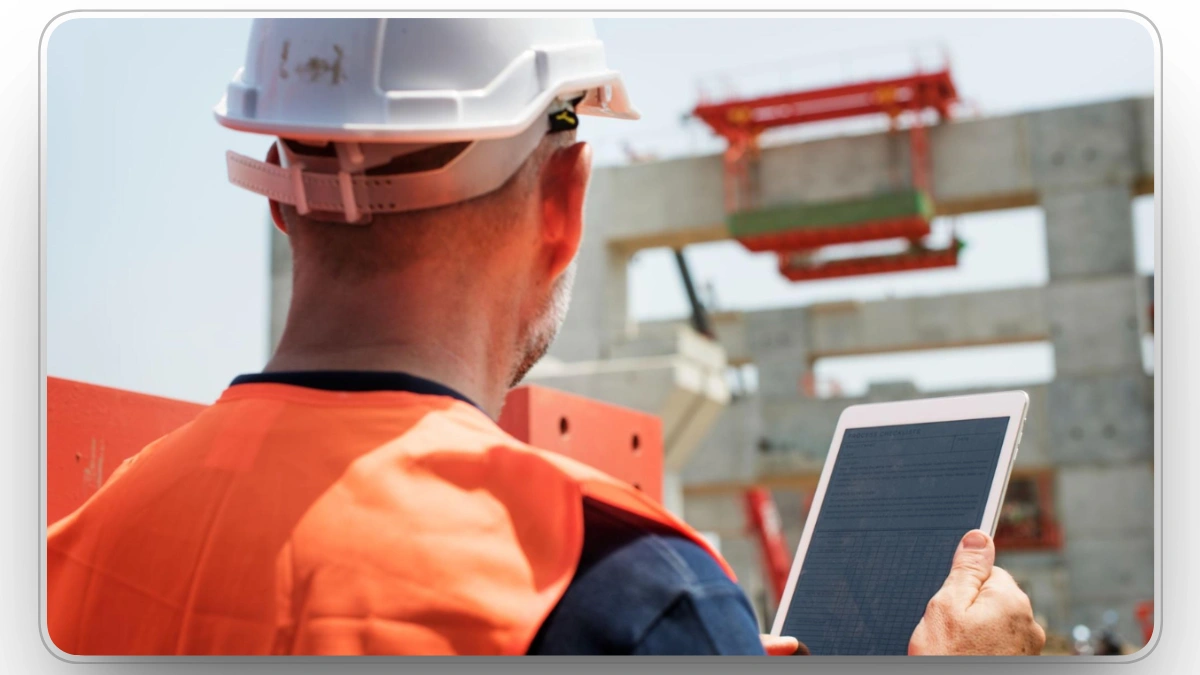
Companies should conduct regular risk assessments to identify hazards early and improve day-to-day safety management on construction sites. Improper handling and storage of hazardous materials can lead to spills, fires, or exposure to toxic substances.
Systematic data collection, including inspection reports and site records, helps uncover these issues early. The private construction industry recorded 1,069 fatal work injuries in 2022, which highlights the need for strong hazard identification and risk assessment practices.
Clue's inspection can support this process with digital checklists, recurring inspections, and standardized field forms. Regular inspections, proper equipment use, and timely maintenance can help reduce failures and prevent avoidable incidents.
4. Provide Ongoing Training and Education
Ongoing education and training are another vital part of managing health and safety in the construction industry. Investing resources in training is crucial for addressing skilled labor shortages and maintaining high safety standards.
Workers stay better informed when they receive regular updates on hazards, safety procedures, and emergency response protocols. For example, workers must be trained on the specific safety procedures for any new equipment introduced to the site.
Ongoing learning helps employees follow safety standards more consistently and contribute to a stronger overall safety program.
5. Implement an Efficient Hazard Control Plan

Implementing an effective hazard control plan starts with identifying site-specific hazards and reviewing control options based on OSHA requirements and field conditions. This plan should prioritize engineering controls, such as guardrails, machine guards, ventilation, or physical barriers, to reduce hazards at the source.
Administrative controls, such as task rotation, restricted access, or adjusted work schedules, can also help reduce exposure where needed. Specific individuals must be assigned to manage the installation and monitoring of these controls.
Regularly review the impact of controls through inspections and worker feedback and adjust as necessary to ensure ongoing safety. Clue's work order system can help manage the implementation and monitoring of these hazard controls effectively.
6. Ensure Proper Use of Personal Protective Equipment (PPE)
Proper use of personal protective equipment (PPE) is another fundamental part of construction safety management. Many accidents could be avoided by ensuring that all workers wear the appropriate gear, such as gloves, safety glasses, and helmets.
For example, steel-toed boots, high-visibility clothing, gloves, helmets, and eye protection help reduce the risk of common job-site injuries. Educating and enforcing PPE usage can reduce on-site injuries significantly.
PPE requirements should be clearly defined, consistently enforced, and reinforced through supervision and training. Clue can help track PPE assignments and compliance through its asset tracking and inspection features.
7. Establish Productive Emergency Response Procedures
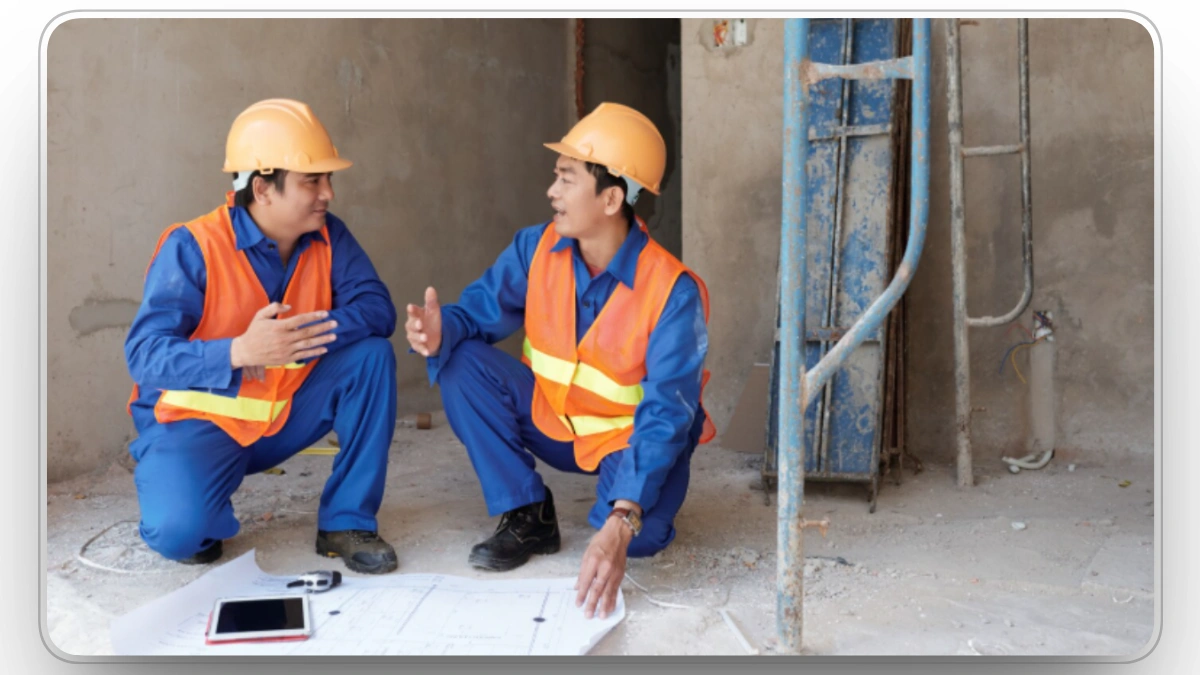
Establishing effective emergency response procedures is a critical part of a comprehensive safety plan. This should include a clear step-by-step plan for responding to emergencies that may arise on the job site.
You must clearly define the roles and responsibilities of every worker in case of an emergency. Provide regular training and drills so workers understand the procedures they are expected to follow.
The response plan should be reviewed regularly and updated based on lessons learned from drills, near misses, and actual incidents. This ensures that your team is always prepared for the unexpected.
8. Conduct Regular and Rigorous Safety Inspections
Defective tools and equipment can fail without warning and contribute to serious job-site incidents. Regular inspections of tools, machinery, and site equipment are essential for maintaining a safe construction environment.
These inspections should be conducted on a regular schedule by trained personnel and documented properly. Faulty equipment should be repaired or replaced promptly to prevent incidents.
Clue's equipment maintenance helps teams centralize equipment records, inspections, and maintenance activity, making it easier to identify issues and act before they lead to downtime or safety problems.
9. Maintain Accurate Records and Documentation
Maintaining accurate records of safety procedures, training, inspections, and incidents is essential for compliance and continuous improvement. Documentation supports safety performance and reveals potential problems or roles.
These records help demonstrate compliance and support stronger risk management decisions. Clear documentation improves consistency, supports better decision-making, and helps keep projects on track.
Clue offers a single pane of glass for all your safety documentation, from inspection reports to maintenance logs. This ensures that your records are always organized, accessible, and ready for audit.
10. Utilize Technology and Safety Management Systems

Modern technology is changing how construction companies manage health and safety by improving visibility, response time, and recordkeeping. Clue supports this shift by bringing inspections, incident reporting, reminders, and safety tracking into one centralized system.
Advanced tools help teams stay organized with automated alerts, reporting, and better visibility into outstanding safety actions. Teams can use data to identify patterns, address recurring hazards, and respond faster to emerging risks.
Integrating these tools can strengthen safety management, reduce risk exposure, and create a safer working environment for crews across the job site.
Conclusion
Effective construction safety requires ongoing attention, strong systems, and consistent follow-through. By applying these ten practical tips, construction firms can reduce risk, protect workers, and improve project performance. A proactive safety culture supported by clear processes and reliable systems helps projects run more safely and consistently.
Prioritizing safety does more than support compliance. It helps control risk, reduce disruption, and improve long-term operational stability. Modern solutions such as Clue can support these efforts by improving visibility, documentation, and follow-up across safety operations.
Building a resilient safety culture requires long-term commitment from every level of the organization. As the industry evolves, staying current with safety practices, site risks, and operational technology remains important.
FAQs
What are the main causes of construction accidents?
Construction accidents are often caused by hazardous site conditions, inadequate safety training, improper use of equipment, and failure to adhere to safety protocols. Regular risk assessments and worker involvement in safety initiatives can reduce these risks.
Why is ongoing safety training essential in construction?
Ongoing safety training ensures that workers are always updated on the latest safety procedures, potential hazards, and emergency protocols. Regular training reduces accident rates and increases worker preparedness on-site.
How can I improve the safety culture on a construction site?
To improve safety culture, engage workers in safety programs, ensure clear communication, conduct regular safety meetings, and provide leadership support for safety initiatives. A proactive approach, including reporting hazards and using safety management software, strengthens this culture.
What should be included in a construction site's emergency response plan?
A construction site's emergency response plan should include clear roles and responsibilities, evacuation procedures, first aid protocols, and regular drills. This ensures that workers know exactly what to do in the event of an emergency.
How can technology help improve construction safety management?
Technology, such as safety management software like Clue, helps by providing real-time updates, automated safety reminders, hazard tracking, and reporting. It centralizes safety records and improves decision-making to keep workers safe.
What is the role of Personal Protective Equipment (PPE) in construction safety?
PPE is crucial for protecting workers from common job-site hazards such as falling debris, electrical shocks, and machinery accidents. Ensuring proper use of PPE, along with training and regular inspections, can significantly reduce on-site injuries.
Transform Your Equipment Management
%20What%20It%20Is%20and%20What%20to%20Include.webp)