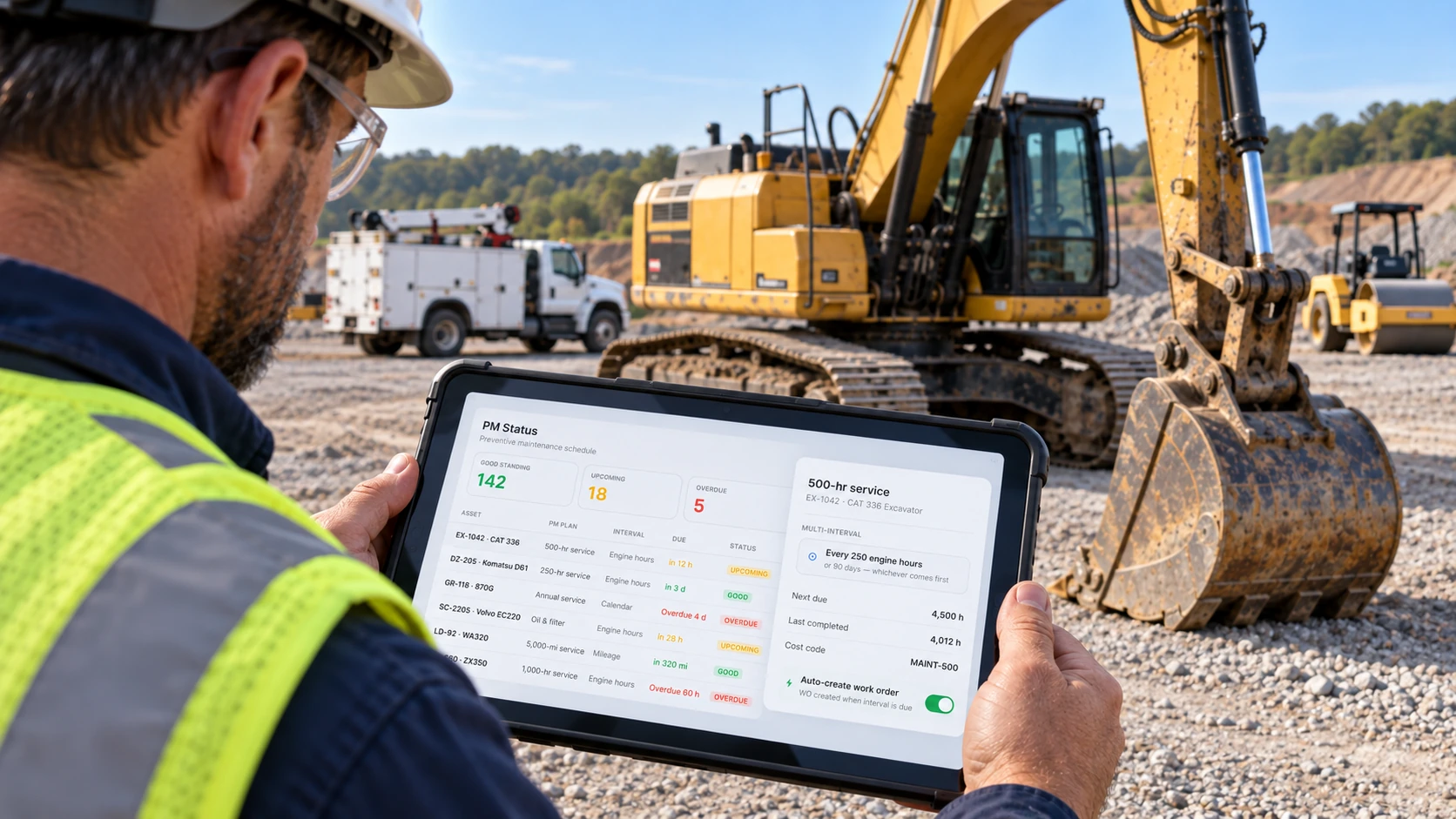
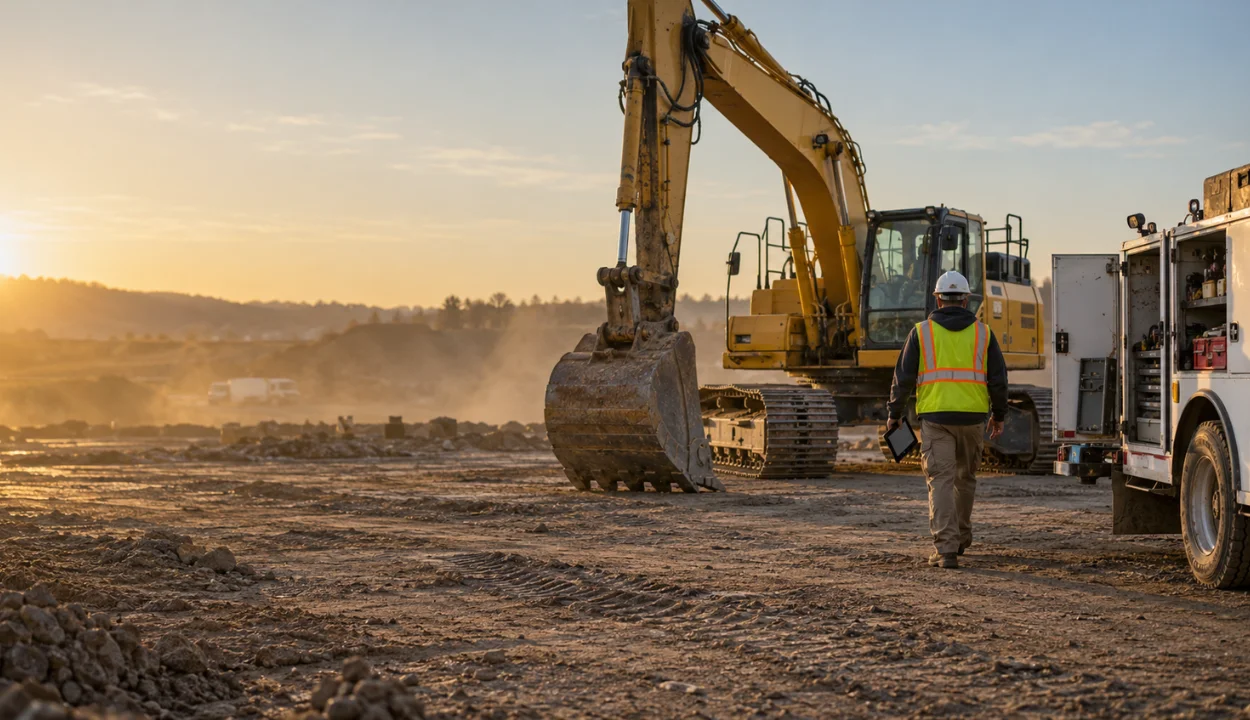
Heavy construction sites rely on expensive machinery, bulldozers, excavators, cranes, and more, that must be kept in top condition to avoid costly downtime and keep projects on schedule. Effective facility predictive maintenance is key to ensuring that this machinery stays operational, safe, and productive.
This involves more than just routine inspections and repairs; it requires proactive management of equipment, vehicles, and critical infrastructure systems (HVAC, electrical, safety) to maximize uptime and minimize costs.
A McKinsey study on digitally enabled reliability makes a key point: value doesn’t come from predictive maintenance alone. It comes when companies combine predictive insights with digital work management, the end-to-end system that turns issues into completed work orders with the right planning, scheduling, parts, dispatch, execution, and closeout.
Sensors can detect issues, but facility and field operations decide whether the problem is resolved promptly
In this blog, we’ll explore the importance of facility maintenance in the construction industry, why it matters, and the types of maintenance that help extend equipment life and reduce downtime.
What Is Facility Maintenance?
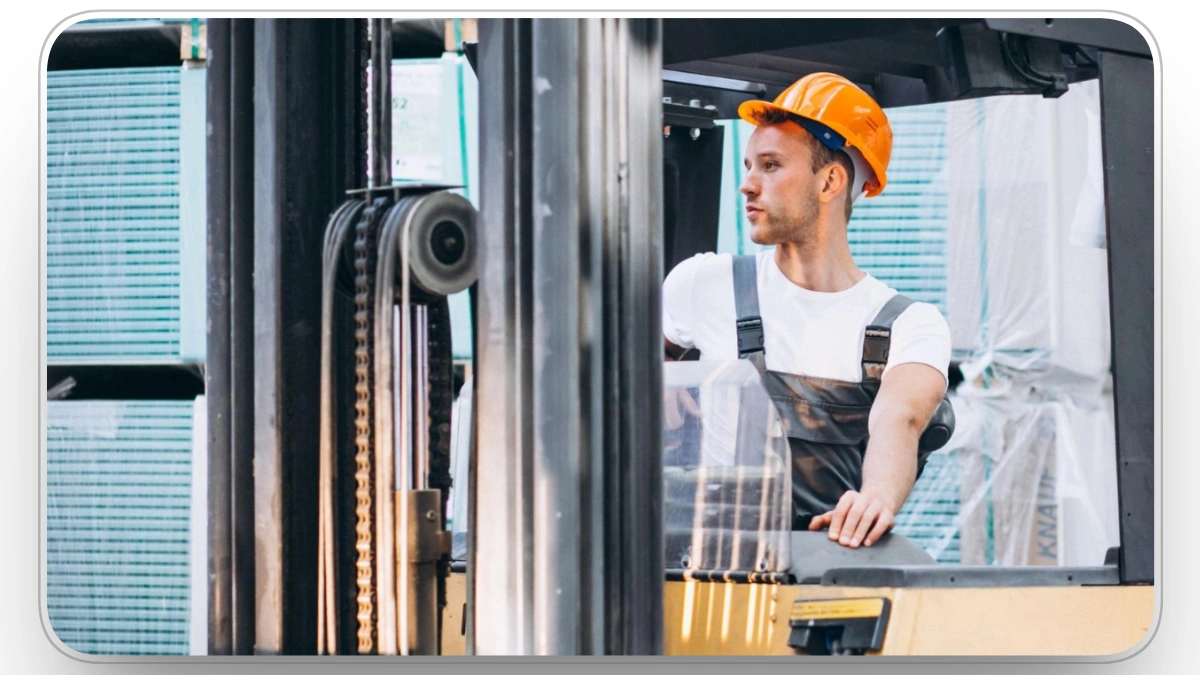
Facility maintenance involves the ongoing care and servicing of heavy equipment, infrastructure, and systems to ensure they remain functional, safe, and compliant. For construction operations, this can include everything from maintaining bulldozers and cranes to servicing onsite power generators, HVAC systems, and safety devices.
Keeping equipment and facilities in optimal condition is not just a matter of routine, it’s essential for safety, efficiency, and meeting project timelines. Maintenance tasks are typically scheduled in advance and fall into regular cycles to catch potential issues early and extend asset life.
Routine servicing may include fluid and tire checks, while advanced work covers system diagnostics and safety inspections. Construction equipment maintenance software helps teams organize these tasks, service records, and schedules so machinery remains safe, reliable, and ready for use.
Why Maintenance Matters

Proactive maintenance is crucial for protecting your investment and ensuring efficient equipment management. By detecting issues early through routine checks and predictive tools, teams can avoid major breakdowns, reduce safety risks, and keep machinery running at peak performance. This minimizes unplanned downtime, lowers operating costs, and extends equipment lifespan.
On average, predictive maintenance increases productivity by 25%, reduces breakdowns by 70% and lowers maintenance costs by 25%.
Clue enhances this process by providing real-time equipment health data, enabling smarter, preventive service decisions. The result: fewer surprises, better performance, and a more reliable fleet.
Similarly, well-maintained machinery “operates more reliably and reduces accident risk”. In short, upkeep leads to longer equipment life, higher fuel efficiency, and lower operating costs.
- Extended Lifespan: Routine servicing (lubrication, filter changes, etc.) keeps engines and components from wearing out prematurely.
- Improved Safety: Inspections ensure that safety systems (brakes, alarms, restraints) work properly, reducing the chance of accidents due to equipment failure.
- Higher Productivity: Reliable equipment runs longer without unplanned stops, so crews can complete projects on time. Preventive checks also optimize performance (less fuel waste, better output).
- Lower Costs: Preventing breakdowns cuts emergency repair expenses. For instance, scheduled part replacements and adjustments save more than they cost, since replacing an engine or gear is far pricier than changing its oil.
Overall, companies that invest in maintenance see fewer surprises.

Types of Maintenance
Maintenance work generally falls into three categories, each with different goals:
- Preventive Maintenance: Scheduled servicing to prevent failures (oil changes, lubrication, filter replacements, etc.). This routine upkeep is planned based on equipment hours or calendar intervals. Preventive checks keep machines in safe working condition” and help preserve lives, reducing unexpected failures and costs.
- Predictive (Condition-Based): Maintenance: Monitoring equipment condition in real time (e.g. via sensors) to address issues before they cause a breakdown. Techniques include vibration analysis, thermal imaging, and oil analysis on engines and components. By spotting wear and tear early, predictive maintenance lets teams replace parts or adjust machinery precisely when needed, rather than too early or too late.
- Reactive (Corrective) Maintenance: Repairs performed after a component fails or a fault is found. (This is generally minimized because it causes downtime.)
- Proactive Maintenance: This type goes beyond preventive maintenance by addressing the root causes of potential equipment failures before they even arise. It involves identifying systemic issues that could lead to equipment problems and correcting them before they impact performance.
- Shutdown Maintenance (Overhaul Maintenance): This involves planned shutdowns for major overhauls that happen at scheduled intervals. It's more comprehensive than routine maintenance and typically occurs after equipment has run for a set period or number of hours.
Most modern maintenance programs emphasize preventive and predictive work over reactive fixes. In practice, teams use a mix: for example, performing routine preventive tasks every few hundred hours, while also using predictive tools during inspections to catch hidden issues.
Maintenance Scheduling and Tasks

Facility maintenance is organized around regular inspection and service schedules. In heavy-equipment settings this typically looks like:
Daily Inspections:
Operators or technicians perform walk-around checks every day (or every shift). These include looking for visible damage, checking fluid levels (oil, coolant, hydraulic fluid), verifying tire or track pressure, and ensuring safety devices (lights, horns, seatbelts) function properly.
While daily inspections focus on immediate safety and functionality checks, weekly and monthly maintenance tasks delve deeper into the performance and wear-and-tear of equipment.
Weekly/Monthly Maintenance:
More in-depth work is scheduled based on usage. This may include greasing pivot points, inspecting brakes and hydraulic lines, replacing air filters, tightening bolts, and performing minor adjustments.
A typical weekly checklist might cover cab and component cleanings, checks of controls and instrumentation, and inspection of key systems (brakes, steering, suspension).
Routine upkeep often includes fluid changes and filter replacements. For instance, one maintenance guide prescribes “schedule regular oil changes; replace oil, air, and fuel filters; inspect hydraulic hoses and radiator; and clean debris from cooling fins”.
Annual Overhauls:
Once a year (or a set number of operating hours), heavy equipment typically undergoes a thorough service. This can include complete engine diagnostics, transmission service, comprehensive hydraulic-system checks, and structural inspections (frame, welds, loader booms, etc.).
For example, an annual checklist might direct technicians to “inspect hydraulics, transmission, and radiators: conduct thorough inspections of hydraulic systems for leaks and worn hoses, clean radiators and cooling fins, check fluid levels and engine performance in all gears”.
Such deep inspections identify wear that daily checks miss (like internal bearings or seals) and often coincide with major components (like hydraulic pumps) being rebuilt or replaced.
By organizing maintenance at multiple intervals (daily, weekly, monthly, and annually), heavy equipment remains in reliable and safe condition. This methodical approach reduces downtime, maintains operational efficiency, and enhances workplace safety.
Clue integrates with your CMMS to record, track, and generate work orders for all scheduled tasks, including safety inspections. Whether it's a quick daily check or an in-depth annual overhaul, Clue helps you stay on top of all maintenance needs, ensuring your equipment operates safely, efficiently, and in compliance with safety standards.
Tools and Technology
Modern facility maintenance relies on a variety of tools and software to streamline the work:
- CMMS and Mobile Apps: Computerized Maintenance Management Systems (CMMS) are central to facility maintenance today. A CMMS lets managers create, schedule, and track work orders, log repairs, and store equipment histories. Technicians can use mobile apps (tablets or smartphones) to receive assignments and follow pre-defined checklists on the job.
- Condition-Monitoring Equipment: Physical diagnostic tools help prevent failures. These include vibration meters, infrared thermometers/cameras, and oil-analysis kits. Technicians may scan bearings or motors with an infrared gun to catch overheating, or use vibration sensors on rotating components to detect imbalance.
- Telematics and IoT: Increasingly, heavy equipment fleets use GPS trackers and engine telematics. These devices record hours of operation, fuel usage, and error codes in real time. Fleet management software such as Clue can aggregate this data to predict maintenance needs. For instance, a telematics system might flag when an engine has reached 250 hours (time for an oil change) or report excessive idling (wasting fuel). Integrating IoT data with CMMS allows truly proactive maintenance scheduling.
By integrating these tools, CMMS, condition monitors, and telematics, Clue creates a "smart" maintenance process. This integration helps turn each inspection into valuable data, enabling managers to make informed, data-driven decisions to prevent failures, optimize resources, and reduce operating costs.
How Clue Enhances Facility Maintenance in Heavy Construction
In heavy construction, equipment maintenance is critical for reducing downtime, protecting asset lifespan, and keeping operations running smoothly. Clue centralizes maintenance activity and helps teams complete service work on time.
1. Centralized Operations & True Visibility
Managing a fleet of equipment, tools, and assets can be chaotic. Clue solves this by offering a single-pane-of-glass view into all your equipment’s operational data, wherever they’re deployed.
Whether you’re in the office, on-site, or in the field, you can easily access real-time insights into the location, usage, and maintenance history of every asset in your fleet. This unified view reduces the risk of missing important maintenance schedules and helps streamline operations.
With Clue, you gain full visibility over your assets, ensuring no equipment is ever overlooked, regardless of where it’s deployed or how often it's used.
2. Automated Preventive Maintenance and Work‑Order Management
Maintenance schedules are often delayed due to human error or scheduling conflicts. Clue automates this process, ensuring that preventive maintenance is scheduled based on usage, hours, or asset condition.
When maintenance is due, Clue automatically generates work orders and notifies the team, it also allows you to perform bulk orders, helping you stay ahead of costly repairs and minimizing downtime.
With Clue’s automated system, your maintenance teams can focus on proactive repairs, improving uptime and reducing the risk of unexpected breakdowns.
.webp)
3. Real-Time Utilization & Condition Tracking
Clue seamlessly integrates with telematics and GPS systems to track real-time data about how your equipment is being used. You’ll be able to see which equipment is underused or overworked, allowing you to optimize resource allocation and avoid unnecessary wear and tear.
The system provides key metrics on hours of operation, idle time, fuel consumption, and more, empowering you to make data-driven decisions for maintenance and operations.
4. Integrated Fleet, Asset & Inventory Management
Clue doesn’t just track your heavy machinery, it also keeps tabs on smaller equipment, parts, and inventory. With all your assets, repairs, and spare parts in one system, there’s no more searching through multiple spreadsheets or systems.
The software ensures that parts and tools are available when needed, reducing delays and improving maintenance efficiency.
Managing your entire fleet from one dashboard is now possible with Clue, giving you better control over equipment, parts, and maintenance schedules.
5. Dispatch, Scheduling & Operational Coordination
In construction, coordination is crucial. Clue simplifies maintenance management by integrating smart dispatch and fleet features. Whether it’s sending a technician to fix a machine or delivering the right parts to the site, Clue ensures everything runs smoothly.
This integration reduces administrative tasks, eliminates scheduling conflicts, and ensures maintenance is completed on time.
Clue streamlines dispatch, scheduling, and coordination, helping your operations stay on track with fewer delays and less confusion.
6. Data-Driven Insights for Cost Control & Lifecycle Management
Knowing the cost of each piece of equipment and how often it’s used is critical to effective fleet management. Clue captures this data and presents it in easy-to-understand reports that show the total cost of ownership (TCO), usage trends, and maintenance history.
This information helps construction managers make smarter decisions on which machines to invest in, which ones to retire, and how to optimize fleet resources.
Clue’s comprehensive data insights give you full control over your assets, helping you reduce costs and extend equipment lifecycles.
Regulatory Compliance and Safety Standards
In the U.S., facility maintenance must also meet legal and safety requirements, especially for heavy construction equipment:
OSHA (Occupational Safety and Health): Federal OSHA standards (29 CFR 1926 for construction) require that all equipment be maintained in a safe, working condition. This means performing the regular inspections and repairs needed to keep machines “in safe condition”.
Employers must ensure that brakes, steering, safety switches, backup alarms, and other critical components are functioning. OSHA also mandates that employees be trained to recognize and avoid unsafe conditions, and that companies keep written records of inspections, maintenance, and training.
Environmental (EPA) Standards: Heavy equipment emissions are regulated by the U.S. Environmental Protection Agency. Diesel-powered machines must meet EPA’s Tier 4 standards, which require advanced emission control technology and the use of ultra-low-sulfur diesel (ULSD) fuel (max 15 parts-per-million sulfur).
Maintenance procedures must account for these controls: for instance, diesel particulate filters (DPFs) need periodic regeneration or cleaning, and only compliant fuel can be used. While not part of daily maintenance, equipment owners must stay aware of EPA rules (and sometimes state regulations) that affect engine servicing and fuel storage.
Other Standards and Training: Companies often adopt recognized standards (like ISO 55000 for asset management or ANSI/IFMA guidelines for facility management) to structure their maintenance processes.
Additionally, operating heavy machinery safely requires following best practices: using proper personal protective equipment, following lockout/tagout procedures during servicing, and having emergency action plans. All these safety measures support regulatory compliance.
Best Practices for Heavy Equipment Maintenance
Drawing on industry experience and research, some key best practices include:
Standardized Checklists & Training: Develop clear, easy-to-follow checklists for each equipment type. Make sure all operators and technicians are trained to use them.
Consistency is critical: a study notes that maintenance processes should be “realistic” and “easy-to-understand” so that teams actually follow them. Train crews on safety and equipment operation per OSHA (e.g. OSHA 1926.21) so they know how to spot hazards during maintenance.
Detailed Documentation: Keep comprehensive maintenance records. Log every inspection, repair, and part replacement, either in a CMMS or in well-organized paper/electronic files. This not only helps track equipment history (what was fixed and when) but is also a compliance requirement.
OSHA emphasizes that “detailed & accurate records of vehicle inspections, maintenance, training, and incidents” be maintained for audits. These records also help analyze reliability trends (e.g. identifying a recurring issue with a machine).
Routine Inspections: Never skip the daily walk around. A good routine is “daily pre- and post-operations heavy equipment inspections”. For example, daily walk-rounds checking for damage, worn hoses, proper tire pressure, battery condition, and fluid leaks.
Even operators should be encouraged to do quick checks each morning. This catches small problems (loose fittings, fluid drips) before they become major repairs.
Qualified Service & OEM Parts: For major repairs or calibrations, use factory-trained technicians and genuine OEM parts when possible. Outsourcing complex work (like engine rebuilds or hydraulic overhauls) to certified shops ensures the equipment gets the right tools and components.
Use the Right Tools: Equip your maintenance team with the correct tools: torque wrenches, grease guns, diagnostic scanners, lifting jacks, etc. Ensure all tools are in good condition.
For example, many heavy machines have fill-port locations that require specific-sized funnels or fluid pumps. Keeping the right tools on hand (and properly calibrated) speeds up maintenance and prevents damage.
Implementing these practices, combined with a preventive mindset, keeps a heavy-equipment fleet reliable. As one facilities guide summarizes: a proactive approach of “routine inspections, preventive maintenance, and timely repairs” maximizes uptime, safety, and the value of the investment.
Final Thoughts
Facility maintenance is a critical process in heavy construction, ensuring that equipment stays operational, safe, and cost-effective. By following best practices and leveraging advanced tools like Clue, construction teams can not only streamline their maintenance workflows but also prevent costly downtime, extend the life of assets, and boost overall productivity.
Clue goes beyond basic asset tracking; it integrates real-time data, automates work order management, and provides actionable insights, giving your team everything they need to manage maintenance efficiently. From real-time tracking to predictive scheduling, Clue empowers facility managers to stay ahead of repairs, optimize fleet utilization, and control costs.
If you’re looking to take your maintenance strategy to the next level, Clue offers the tools to make that happen, all while improving asset longevity and keeping your operations running smoothly.
Frequently Asked Questions (FAQs)
How often should heavy equipment be inspected and serviced?
Heavy equipment should be inspected daily with quick checks for leaks and malfunctions. Weekly and monthly tasks include greasing, filter changes, and system inspections, while annual overhauls involve more thorough diagnostics and servicing.
What tasks are involved in daily, weekly, monthly, and annual maintenance?
Daily checks focus on safety and operational issues, while weekly maintenance includes greasing and brake inspections. Monthly tasks cover fluid changes and filter replacements, and annual maintenance involves comprehensive system reviews and diagnostics.
What are the warning signs that urgent maintenance is needed?
Warning signs include unusual engine noises, overheating, leaks, smoke, warning lights, and a drop in performance. Address these promptly to avoid further damage and downtime.
Related: our guide to the best construction equipment maintenance software compares the leading platforms for 2026.

Transform Your Equipment Management