What Is Construction Heavy Equipment Procurement?


Hi, I’m Maham Ali. I write about construction equipment management, helping teams use fleet data and maintenance intelligence to improve uptime, control costs, and run smoother jobsites.
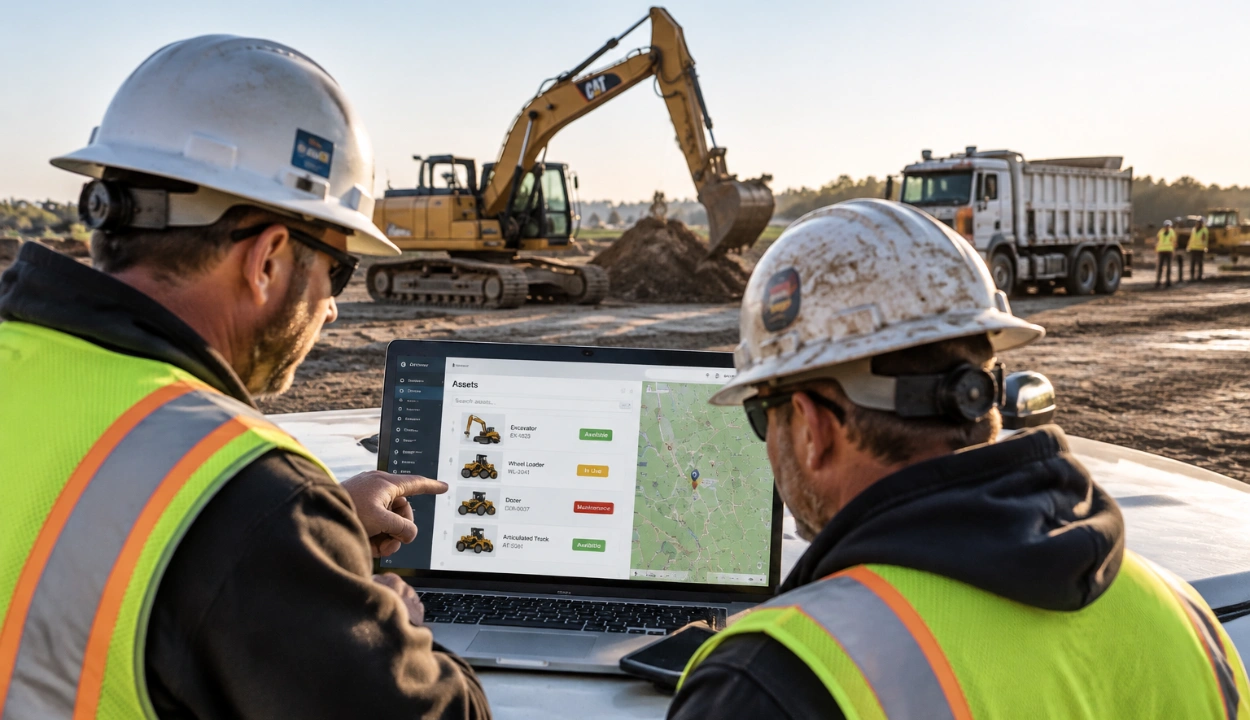
Construction heavy equipment procurement is the process of finding, evaluating, and acquiring the right equipment (excavators, cranes, dozers, and more) to keep projects on schedule and profitable. Done well, it aligns operations, finance, and field teams so you’re not just “buying iron,” but making strategic asset decisions that protect margins and reduce risk.
Instead of focusing only on sticker price, smart procurement teams look at total cost of ownership (TCO), including maintenance, fuel, repairs, insurance, downtime, and eventual resale value. The better your grasp of TCO, the easier it is to avoid underutilized assets, surprise costs, and equipment that quietly erodes project profitability.
Vendor selection, service coverage, and parts availability ultimately determine uptime, while strong documentation and operator training turn each new asset into a safer, more productive part of your fleet.
This guide walks through the heavy equipment procurement workflow, best practices with digital tools like Clue, and the key financial choices behind every buy, lease, or rent decision.
Why Heavy Equipment Procurement is Crucial for Construction
Heavy equipment procurement ensures that the right equipment is available at the right time, directly impacting project timelines and budgets. Mismanagement can cause delays and cost overruns, which are often driven by poor practices.
Proper asset sourcing maximizes equipment utilization and minimizes operational costs. A well-executed approach can reduce downtime by 30%, cut maintenance costs by 15%, and increase productivity by 10%.
Smart acquisition also preserves the long-term value of equipment. By selecting the right equipment and ensuring vendor support, companies reduce the risk of breakdowns and maintain resale value.
Additionally, the right equipment is crucial for project quality and safety. Tasks like excavation, lifting, and compaction require specialized equipment, and proper equipment ensures that projects are completed efficiently, safely, and on schedule.
Key Steps in the Heavy Equipment Procurement Process

Procurement is a multi-step process that ensures your company gets the right equipment for the job. Here's how to handle it:
1. Assessing Equipment Needs
Identify the equipment needed based on project scope, site conditions, and timeline. Collaborate with project managers, engineers, site supervisors, and operators to gather input. Create a detailed equipment requirements brief, covering:
- Equipment type and size (e.g., 20–30 ton excavator)
- Key specifications (reach, lift capacity, engine/emissions tier)
- Required attachments (breaker, grapple, compactor, etc.)
- Operating assumptions (hours/day, shifts, duty cycle)
- Mobilization constraints (transport limits, site access)
This brief ensures the equipment matches project needs and forms the basis for requesting quotes.
Planning a new job site? Start with our list of equipment needed for a construction site.
2. Budget Planning and Approval
Develop a budget that accounts for all costs associated with the equipment, including:
- Purchase or lease cost
- Delivery, compliance, insurance
- Maintenance, fuel, downtime risk, and repairs
- Resale assumptions (if purchasing)
If the cost exceeds approval thresholds, prepare a package that includes the requirements brief, buy vs lease vs rent analysis, TCO estimate, and proposed vendor(s).
3. Sourcing Suppliers and Requesting Quotes
Identify qualified suppliers, including OEM dealers, rental houses, and used-equipment resellers. Send a structured RFQ based on your equipment requirements, asking vendors to provide:
- Equipment details (model, year, hours, attachments)
- Availability, lead time, pricing breakdown
- Warranty terms, service support, parts availability
- Financing options and payment terms
Request at least three quotes, and evaluate them based on total value, not just price.
4. Vendor Evaluation and Negotiation
- Score vendors based on factors like:
- Delivery reliability
- Service support and parts availability
- Warranty coverage
- Equipment condition and history (for used equipment)
Negotiate key terms such as extended warranty coverage, delivery discounts, and service support packages to secure the best overall deal.
5. Issuing Purchase Orders
Once the vendor is selected, formalize the purchase with a Purchase Order (PO) or contract, detailing:
- Equipment specifications, quantity, and pricing
- Delivery location and schedule
- Payment terms, warranty terms, and service/support commitments
A clear PO ensures smooth delivery and acceptance.
6. Delivery, Inspection, and Documentation
Upon delivery, inspect the equipment thoroughly to confirm it meets the agreed specifications. If you find any discrepancies, document them immediately and contact the vendor to resolve the issue. Depending on the problem, you may need to request repairs, a replacement, or adjustments to the delivery terms. Ensure all equipment meets safety standards and operational requirements. Once the inspection is complete and any issues are addressed, update the asset management records to track maintenance schedules, warranties, and any further actions required.
7. Training and Integration
Ensure proper operator training, especially for complex equipment. Cover safety checks, standard operating procedures, and maintenance handoff. Well-trained operators will reduce downtime and ensure the equipment performs as expected.
Best Practices for Construction Equipment Procurement

To avoid common pitfalls and ensure a successful equipment acquisition process, follow these best practices:
1. Clarify and Document Requirements
Before you source equipment, write a single requirements document that procurement, operations, and vendors can all align on. This should include the equipment class, key specs, required attachments, safety requirements, compliance constraints, and delivery timeline.
To make vendor comparisons fair and fast, add a short “evaluation criteria” section that states what matters most for this purchase e.g., lead time, service coverage, warranty strength, parts availability, and expected operating cost. This prevents decisions from being driven by whichever quote is formatted best.
2. Focus on Long-Term Costs, Not Just Price
The lowest upfront price is rarely the lowest total cost. Compare options using total cost of ownership (TCO), including fuel/energy, preventive maintenance, repairs, wear parts, transport/mobilization, downtime risk, and expected resale value.
A simple way to make this practical is to estimate a cost per operating hour for each option using the same utilization assumptions (hours/day, shifts, duty cycle). This makes “new vs used vs rent/lease” tradeoffs clearer and helps you avoid buying equipment that looks cheap but becomes expensive through repairs or poor fuel efficiency over time.
3. Be Proactive About Maintenance and Parts
Treat maintenance readiness as part of the equipment acquisition decision, not an afterthought. Confirm whether the supplier offers maintenance packages, service agreements, or priority support, and what those plans include and exclude.
Predictive maintenance is often linked with meaningful reductions in unplanned downtime, commonly reported in the ~20–30% range depending on fleet and operating conditions.
Also validate parts availability up front. If filters, hoses, undercarriage components, or other wear items are slow to source in your region, minor issues can turn into major downtime. Where possible, negotiate clearer service expectations and consider bundling critical wear parts or an initial service kit with the purchase.
4. Train Your Operators Properly
Treat training as part of the purchase decision, not an afterthought. For complex equipment or new equipment types, negotiate training into the deal (vendor-led session, train-the-trainer, or certified third-party program) and confirm what’s included: duration, materials, language, and whether attachments are covered.
To ensure training actually reduces risk and downtime, require a simple competency sign-off (basic safe-operation checks + correct use of key functions/attachments) rather than relying on attendance alone.
Equipment Managers Playbook for Turning Procurement into Performance
For a structured operating model, TCO, PM, utilization, parts, and training, see the Equipment Managers Playbook.
Digital Tools Transforming Equipment Procurement

Digital procurement and fleet platforms have reshaped how construction teams source, approve, and onboard heavy equipment. The biggest gains come from standardizing purchasing workflows, making vendor quotes easier to compare, and tying purchasing decisions directly to real utilization and cost data.
Online Marketplaces and Auctions
Online marketplaces and auction platforms make it easier to expand beyond local inventory and compare equipment across vendors. The best platforms surface pricing, availability, equipment specifications, and condition details in one place, helpful when lead times are tight or you need a specific configuration fast.
Examples include marketplaces and auction platforms such as IronPlanet and Ritchie Bros., which can be useful for sourcing used equipment and comparing options across regions. When buying used through marketplaces, treat inspection reports, maintenance history, and transport logistics as first-class evaluation criteria, not afterthoughts.
Procurement Workflows and Asset Management Software
Many contractors use cloud-based platforms to streamline procurement, issuing RFQs, comparing quotes, and obtaining approvals faster and more transparently. These platforms automate and standardize these tasks, making purchasing more efficient and easier to audit.
On the operational side, asset and fleet management systems provide real-time tracking of equipment utilization, maintenance schedules, warranties, and cost history, which directly informs future procurement decisions. When procurement and asset records are connected, it becomes easier to answer key questions like:
- Are we purchasing equipment that will be fully utilized?
- Which models or vendors offer the lowest cost per hour over time?
- Are we replacing assets based on data or assumptions?
Platforms like Procore and Oracle Construction and Engineering can support procurement workflows by integrating project controls with asset management. These systems allow teams to make data-driven procurement decisions by ensuring that equipment purchases align with utilization patterns and maintenance needs, helping avoid overbuying and reducing downtime.
AI and Analytics for Better Buy/Rent/Replace Decisions
AI and analytics are increasingly used to reduce guesswork in equipment planning. By analyzing utilization patterns, work orders, and repair history, analytics can help teams:
- Forecast equipment demand by project phase.
- Identify underutilized assets before purchasing more.
- Flag assets trending toward higher downtime risk.
- Recommend repair vs replace timing based on cost patterns.
For example, if historical patterns show an equipment type consistently requires major service around a certain hour range, analytics can prompt earlier planning, whether that means scheduling service, sourcing parts sooner, or adjusting acquisition timing for a replacement unit.
Optimizing Equipment Procurement and Management with Clue

Clue helps construction companies turn procurement from a one-off transaction into a data-driven, repeatable process. Key features that support this include:
- Total Cost of Ownership (TCO) Tracking: Tracking the full lifecycle costs of equipment, maintenance, fuel, repairs, and downtime, helps procurement teams make informed decisions on fleet management and whether to buy, lease, or rent. This data ensures decisions are based on long-term costs, not just initial price.
- Real-Time Equipment Utilization Data: Clue’s real-time utilization tracking identifies underused assets, preventing overbuying and enabling smarter procurement decisions. This ensures equipment is used efficiently.
- Predictive Maintenance Insights: Predictive maintenance forecasts when equipment needs servicing, minimizing downtime and extending asset life. Clue aids in selecting reliable equipment by providing maintenance history and performance data.
- Dispatch and Resource Allocation: Optimizing dispatch ensures that equipment is allocated efficiently across projects, preventing resource shortages. Clue provides this data that helps forecast future procurement needs by tracking equipment demand and availability.
Challenges in Construction Heavy Equipment Procurement

Equipment acquisition in construction presents several challenges that can impact project timelines, costs, and efficiency.
- Cost and Availability Fluctuations: Equipment prices can vary widely due to market demand, supply chain issues, and long lead times. These fluctuations make it difficult to predict total procurement costs, risking budget overruns and delays. Planning for these uncertainties is essential.
- Vendor and Equipment Reliability: Unreliable vendors or equipment can cause delays and additional costs. Ensuring vendors can meet delivery schedules, provide adequate support, and supply quality equipment is crucial to minimizing downtime and project disruptions.
- Accurate Total Cost of Ownership (TCO) Calculation: Estimating TCO, including maintenance, fuel, repairs, and depreciation, is often challenging. Mis-estimating TCO can lead to poor procurement decisions that affect long-term project profitability.
- Compliance and Asset Lifecycle Management: Ensuring equipment meets regulatory safety standards and managing its lifecycle effectively is essential. Poor lifecycle management or non-compliance can result in unnecessary purchases, delays, and fines.
Smart Budgeting and Financial Considerations

Heavy equipment is a major financial commitment, so strong equipment acquisition teams evaluate cash flow impact, lifecycle economics, and risk, not just purchase price.
Evaluate Financing Options
Financing choices should match utilization, project duration, and how quickly the equipment will generate value:
- Leasing can reduce upfront cash outlay and may preserve capital for other needs. Some lease structures also bundle service, which can reduce maintenance variability.
- Loans spread cost over time while enabling ownership, which can be beneficial when long-term utilization is high and the asset will be used across multiple projects.
- Renting is often best for short-duration needs, peak demand, or specialized equipment you won’t use frequently, especially when downtime risk or maintenance complexity would be costly to own.
Total Cost of Ownership (TCO)
Compare options using consistent assumptions. A practical approach is to evaluate:
- Expected utilization (hours/week, duty cycle, project phases).
- Operating cost drivers (fuel/energy, planned maintenance, wear parts).
- Repair risk (especially for used equipment: hours, condition, service history).
- Downtime impact (schedule sensitivity and replacement availability).
- End-of-life value (expected resale/trade-in).
This turns “new vs used vs rent/lease” into a measurable comparison, often expressed as cost per operating hour.
For more on calculating the total cost of ownership (TCO) for construction equipment, check out our full guide.
Depreciation and Resale Value
Depreciation varies by equipment class, utilization intensity, and brand perception in the used market. When resale value is part of the business case, base assumptions on:
- Typical resale performance for that equipment class and region.
- Condition and service history expectations.
- How quickly hours will accumulate under your planned utilization.
Some brands are often perceived as holding value better in many markets, but resale outcomes still depend heavily on maintenance discipline and hours at sale.
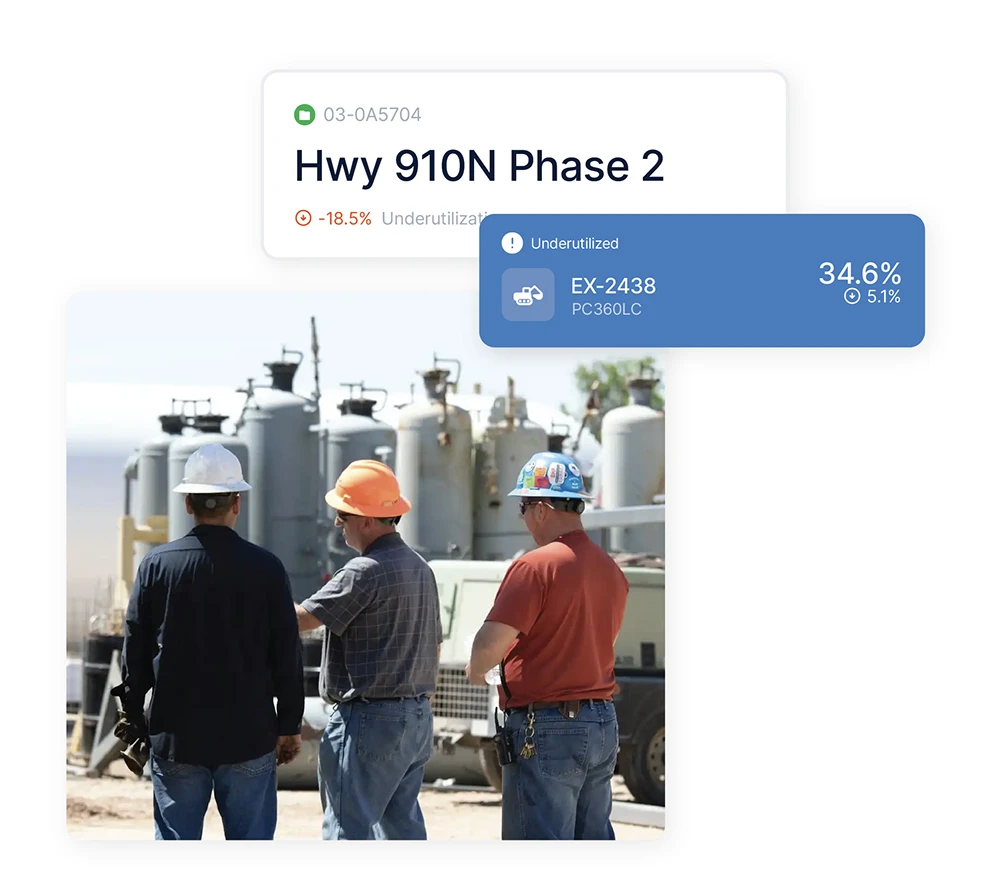
Put Numbers Behind Every Machine
Give CFOs cost-per-hour, TCO, and lifecycle visibility for every asset so equipment spend is always backed by data.
Final Thoughts
Heavy equipment procurement is an essential part of ensuring your construction project stays on schedule and within budget. By carefully assessing needs, evaluating vendors, negotiating smart deals, and leveraging technology, you can make better equipment acquisition decisions that positively impact your operations.
Remember to always prioritize quality over price, maintain strong vendor relationships, and plan for long-term costs like maintenance and fuel. Software like Clue can help streamline the process and make data-driven decisions, while smart financing options allow you to spread costs in ways that fit your business.
With careful planning, thorough evaluation, and an eye toward long-term value, your company can optimize equipment procurement, minimize downtime, and boost project efficiency.
FAQs
What are the key steps in construction heavy equipment procurement?
Define specs (capacity, attachments, jobsite, timeline), source vendors, compare quotes (availability, warranty, service), negotiate terms, contract, verify delivery, and register for fleet/asset management to start tracking maintenance, warranty, and costs.
Should I buy new, buy used, or rent heavy equipment?
Buy new for long-term use. Rent for short-term or specialty needs. Buy used if the condition, maintenance, and parts availability check out to avoid higher downtime.
What costs matter in procurement besides the purchase price?
Factor in fuel, maintenance, repairs, wear parts, insurance, transport, training, financing, depreciation, and downtime. These define your true cost per hour and equipment profitability.
Transform Your Equipment Management