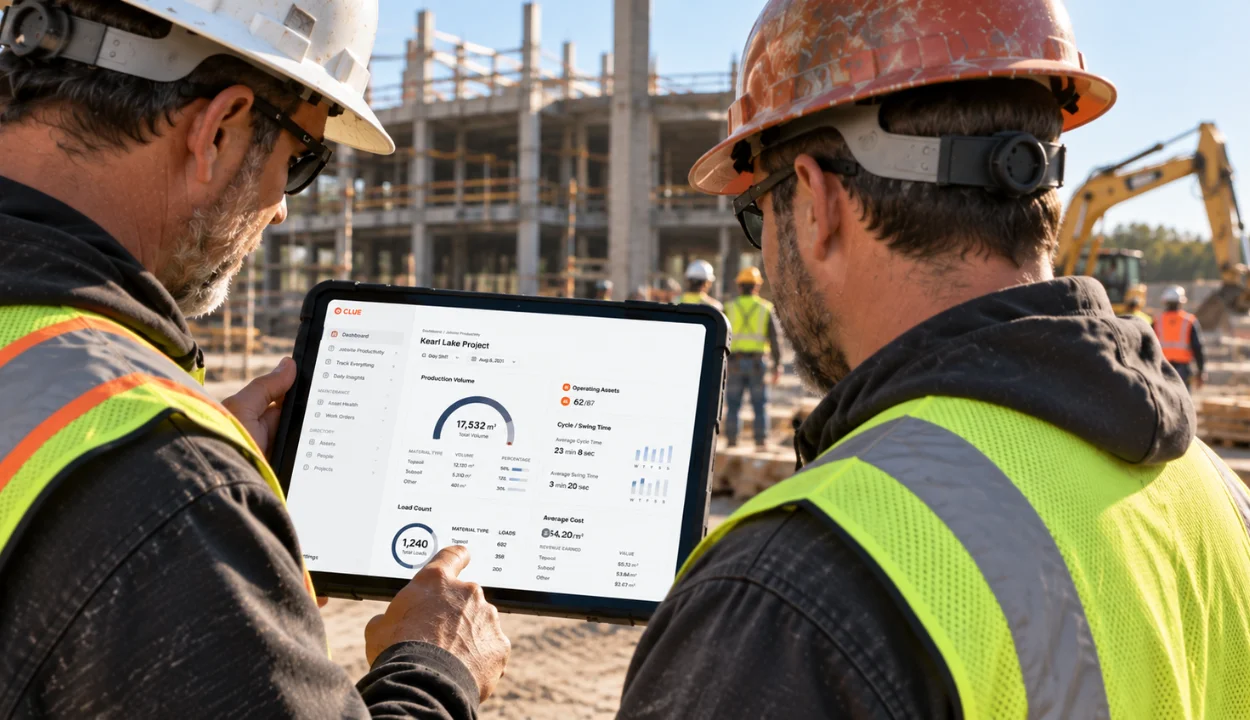
Fleet management has always been a cornerstone of business logistics. Companies running heavy equipment and vehicle fleets face relentless challenges rising fuel costs, complex maintenance schedules, route inefficiencies, and driver safety risks. Left unaddressed, these issues translate into serious financial losses and project delays.
According to a 2023 Fleet Management Market Report by Allied Market Research, the global fleet management market is expected to grow at a CAGR of 10.6%, reaching $52.5 billion by 2030, primarily driven by the integration of AI technologies.
This is where modern construction fleet management software is changing the game. By leveraging AI alongside data from sensors, telematics, and external sources, today's platforms automate traditionally manual processes and surface actionable insights that drive smarter decisions from predictive maintenance to driver behavior monitoring optimizing operations, reducing costs, and enhancing jobsite safety.
Top Use Cases of AI in Fleet Management
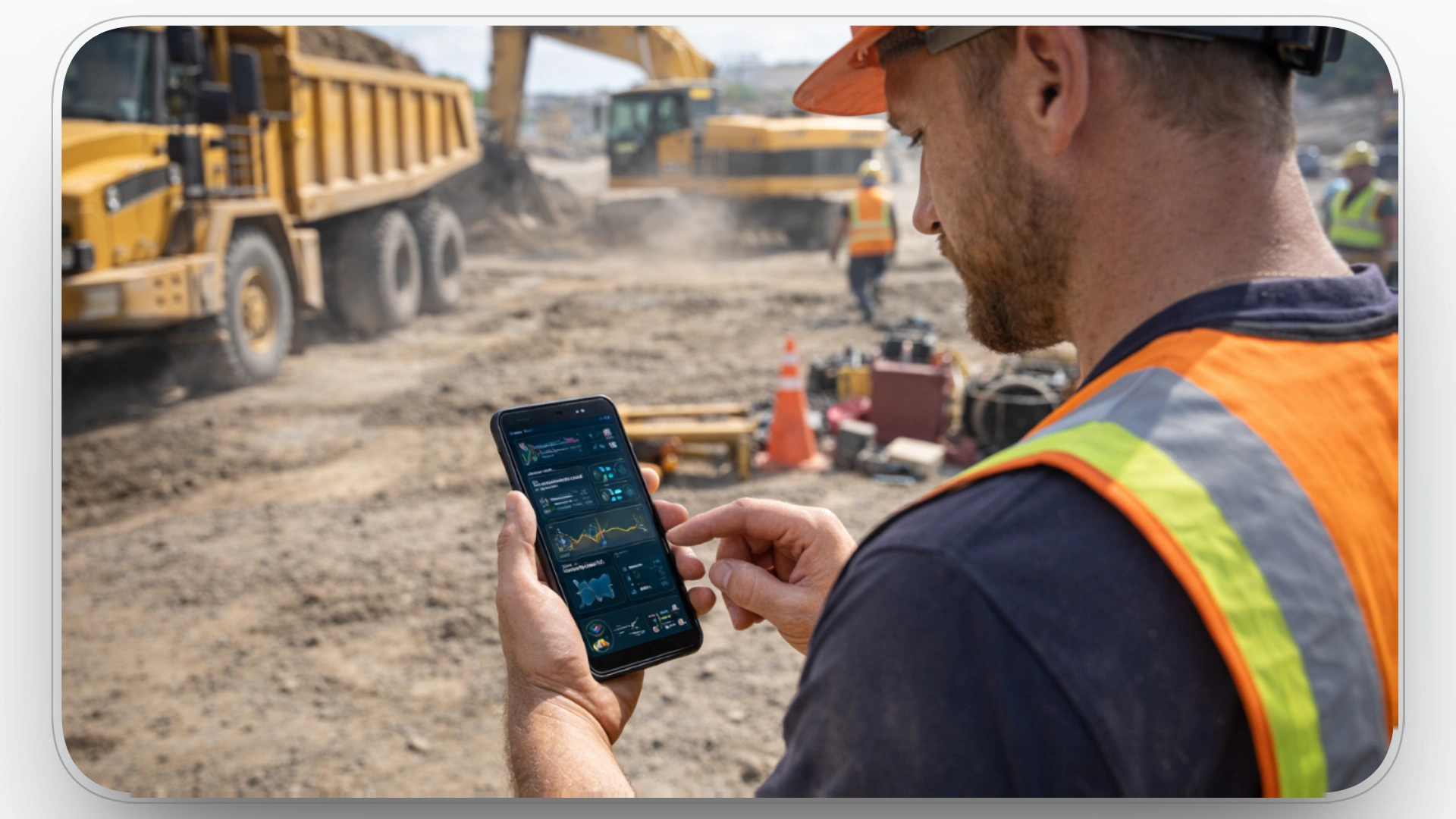
The application of AI in fleet management goes beyond simply automating manual tasks. Let’s dive deeper into the top use cases of AI in fleet management and the profound impact each of them has on fleet operations.
1. Predictive Maintenance
AI-driven predictive maintenance allows fleet managers to address vehicle issues before they become costly repairs. In fact, studies indicate that predictive maintenance can reduce fleet downtime by up to 50% and maintenance costs by 40%.
AI uses sensors in the vehicles to gather data on tire pressure, engine temperature, brake wear, and other components. The system continuously monitors this data, comparing it with historical data to predict when a part is likely to fail. This allows managers to schedule repairs before breakdowns occur, preventing unexpected downtime.
2. Route Optimization
The ability of AI to optimize routes is critical for improving operational efficiency and reducing fuel costs. AI systems analyze real-time data from GPS, weather, and traffic reports to recommend the most efficient routes.
According to a report, AI-driven route optimization can reduce fuel consumption by up to 15-20% and improve delivery times by 10-15%.
Moreover, AI can provide real-time rerouting based on dynamic conditions like accidents, construction zones, and traffic jams. This adaptive approach can lead to fuel savings and improved customer satisfaction.
3. Driver Behavior Monitoring
Driver behavior is another area where AI can make a significant impact. AI-powered telematics systems collect data on driving behaviors such as acceleration, braking, speeding, and idling. This data is then analyzed to identify patterns and provide feedback to drivers.
Academic/industry research has shown that integrated AI‑based driver safety analytics can result in sizable reductions in safety incidents (~35–40%) and fuel savings (~11–15%).
In addition to safety benefits, improving driver behavior can help reduce wear and tear on vehicles, extending the life of the fleet and reducing maintenance costs.
4. Fleet Optimization
AI can help optimize fleet operations by managing the allocation of vehicles, ensuring that the right vehicles are being used for the right jobs. AI systems take into account factors like vehicle availability, capacity, and fuel efficiency to assign jobs in the most efficient manner. In large fleets, this leads to a reduction in idle times, better utilization of resources, and reduced operational costs.
McKinsey & Company reported that AI-driven fleet optimization can lead to up to a 15% reduction in fleet operational costs.
The Role of AI in Fleet Management Forecasting
AI plays a critical role in forecasting by analyzing vast amounts of data to predict future needs, whether for vehicle maintenance, fuel consumption, or demand for vehicles.
Fuel Consumption Forecasting
AI can forecast fuel consumption based on various factors such as driving habits, route efficiency, and traffic patterns. Industry reports on AI‑assisted route optimization and telematics suggest fuel cost savings of up to ~20% for fleets using predictive and optimization tools in their operations.
AI also assists in carbon footprint tracking, allowing businesses to meet sustainability goals by reducing emissions and improving fuel efficiency.
Maintenance Forecasting
AI systems can forecast when maintenance should occur, allowing businesses to schedule work in advance rather than waiting for an issue to arise. Predicting vehicle downtime based on past data allows for better fleet utilization.
Demand Forecasting
AI is also used to forecast fleet demand in industries with seasonal fluctuations, such as logistics and delivery services. By analyzing past trends, AI can predict peak periods and adjust fleet size accordingly, ensuring that vehicles are neither underutilized nor overburdened.
Gartner predicts 70% of large organizations will adopt AI‑based demand forecasting by 2030.
An Overview of AI Applications in Fleet Management
Let's explore how AI is reshaping the industry and why it's time for fleet operators to embrace these powerful innovations.
Autonomous Vehicles
One of the most exciting advancements in fleet management is the development of autonomous vehicles. While fully autonomous fleets are still on the horizon, semi-autonomous trucks are already being deployed in long-haul logistics. These vehicles are equipped with advanced AI systems that enable them to navigate highways, adjust speed, and even steer without constant human oversight.
Using a combination of sensors, such as cameras, LiDAR, and radar, these trucks continuously collect data about their environment. AI models process this data in real-time, identifying road hazards, traffic conditions, and lane changes.
The result? Reduced driver fatigue, enhanced safety, and the potential for savings in operating costs due to reduced fuel consumption and fewer accidents. Research shows behavior‑focused initiatives can lead to meaningful reductions in fuel costs (e.g.15‑25%) and lower accident risk.
Though fully autonomous fleets may not be widespread yet, the technology is evolving rapidly, and the potential benefits are clear. As more regions adopt autonomous features, fleet managers can expect significant reductions in operational costs and improvements in efficiency.
Telematics
Telematics is at the core of AI-driven fleet management, providing real-time insights that allow fleet operators to make smarter decisions. By collecting data from vehicle sensors on everything from fuel efficiency to tire pressure, AI-powered telematics systems deliver actionable insights that help optimize fleet performance.
For example, telematics can track driver behavior and identify areas for improvement, such as reducing harsh braking or improving acceleration patterns. These insights allow fleet managers to implement targeted driver training, leading to improved safety and lower fuel consumption.
Additionally, telematics helps predict when a vehicle is due for maintenance, ensuring that parts are replaced before they cause costly breakdowns.
Machine Learning
Machine learning is another powerful tool in the AI fleet management toolkit. By analyzing massive amounts of data from vehicles, AI systems can make predictions that help improve fleet performance over time. These systems learn and adapt, meaning the more data they process, the smarter they become.
For example, machine learning can predict when a vehicle component is likely to fail based on patterns in data such as engine temperature, vibration, and usage history. This allows fleet managers to schedule maintenance before breakdowns occur, reducing costly downtime and extending the lifespan of the vehicle.
Additionally, machine learning is used to optimize routes in real-time. By analyzing traffic patterns, weather conditions, and historical delivery times, AI can suggest the best route for each trip, saving both time and fuel.
As AI systems continue to learn and adapt, fleet managers can make more informed decisions that drive efficiency, reduce costs, and improve overall fleet performance.
Latest Developments in AI for Fleet Management
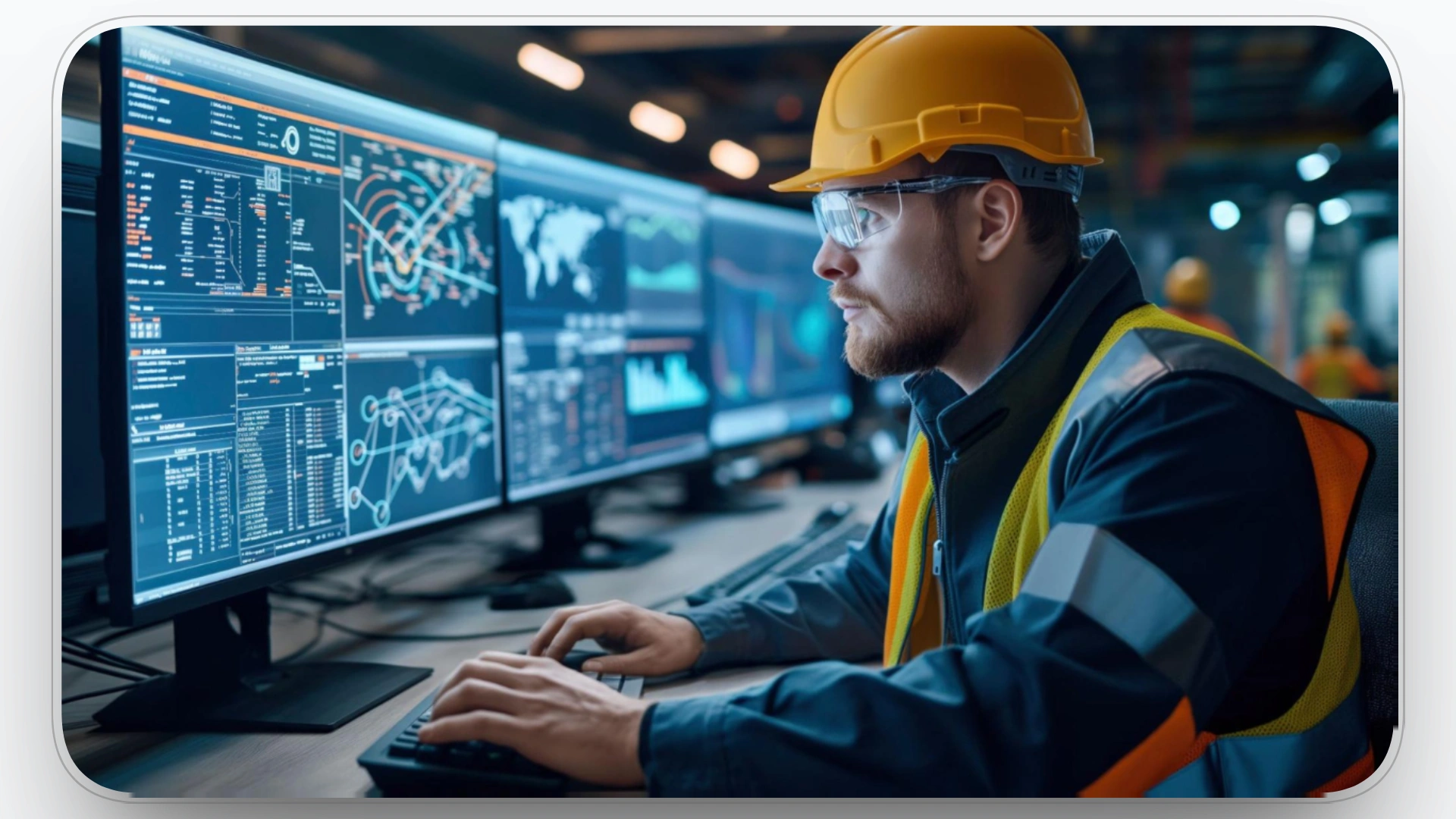
AI is not static, and the latest developments in AI for fleet management are continuously pushing the boundaries of what is possible.
AI-Powered Autonomous Delivery Vehicles
One of the most significant developments is the use of AI-powered autonomous delivery vehicles. These vehicles are already being tested in logistics and e-commerce, with companies like Waymo and Tesla leading the charge.
Smart Fleet Management Systems
The next generation of fleet management systems is smarter and more integrated than ever. AI systems are now capable of managing everything from fleet performance and fuel consumption to driver behavior and vehicle availability. AI-powered dashboards can provide fleet managers with a unified view of their entire fleet’s health, reducing the need for manual oversight.
AI and Machine Learning in Fleet Management
When AI and machine learning work together, they provide unmatched insights into fleet operations. Machine learning models learn from historical and real-time data to identify patterns and predict outcomes, allowing fleet managers to make better decisions faster.
How is AI Used in Construction Fleet Management?
AI is transforming how construction fleets are managed, offering solutions that go beyond basic tracking and maintenance.
By integrating AI, construction fleet managers can:
- Monitor fleet health using telematics data: AI-powered telematics systems continuously collect data from construction vehicles, providing real-time insights on engine performance, tire pressure, fuel consumption, and more. This allows for timely maintenance, ensuring vehicles are serviced before breakdowns occur, reducing downtime and repair costs.
- Improve safety through driver behavior analysis: AI systems analyze driver habits, such as speed, braking patterns, and overall driving performance. By identifying risky behaviors, fleet managers can offer targeted driver coaching to improve safety, reduce accidents, and lower insurance costs.
- Optimize resources by automating scheduling and dispatch: AI can automate and optimize the scheduling and dispatching of equipment, ensuring that the right vehicle or machine is available at the right time for each job. By analyzing factors like job location, workload, and vehicle availability, AI streamlines operations and improves productivity.
- Predict future needs using AI-driven forecasting: AI uses historical data and trends to forecast demand, helping fleet managers plan for peak seasons, track vehicle usage, and allocate resources more effectively. This data-driven approach leads to better resource allocation and cost control.
AI-driven tools are revolutionizing construction fleet management by improving efficiency, safety, and forecasting, ultimately leading to cost savings and more effective fleet operations.
How Clue Uses AI in Fleet Management
Clue integrates artificial intelligence into construction fleet management software to streamline operations, boost productivity, and lower costs. By leveraging telematics, predictive maintenance, and real‑time data, Clue empowers fleet managers with actionable insights that optimize fleet performance and keep operations running smoothly.
From predicting potential issues before they arise to optimizing routes and resources, Clue’s AI features ensure that your fleet stays efficient and ahead of the competition. For a real example, read how Clue's AI redefines fleet efficiency.
AI‑Driven Features That Power Smarter Fleets
1. Predictive Alerts and Insights
Clue analyzes data from telematics and equipment sensors, delivering predictive alerts to fleet managers. These alerts notify teams of potential issues before they result in costly downtime, allowing for timely interventions.
2. Intelligent Maintenance Planning
By utilizing AI to combine historical and real-time data, Clue's construction equipment maintenance software automates maintenance scheduling based on actual equipment conditions rather than set time intervals. This ensures that maintenance is performed only when necessary, reducing downtime and extending the life of your assets.
3. Enhanced Telematics Interpretation
Clue processes vast amounts of telematics data, transforming raw information into actionable insights. Whether it is understanding underutilized equipment or identifying performance anomalies, AI helps managers improve decision-making based on data.
4. Driver‑Centered Safety Insights
Clue analyzes driver behavior to improve safety by identifying risky habits such as hard braking or speeding. These insights allow fleet managers to target driver training and reduce accidents.
5. Forecasting for Better Planning
Clue’s AI can predict future needs such as maintenance requirements, resource allocation, and peak demand periods based on past data and usage trends. This forecasting ability empowers managers to plan proactively, reducing inefficiencies.
How Clue’s AI Capabilities Fit Into Fleet Workflows
Clue’s AI functionality integrates seamlessly into daily workflows, making its features accessible across various fleet management tasks:
- Maintenance & Work Orders: AI‑generated alerts directly feed into work order management, ensuring timely service and minimal downtime.
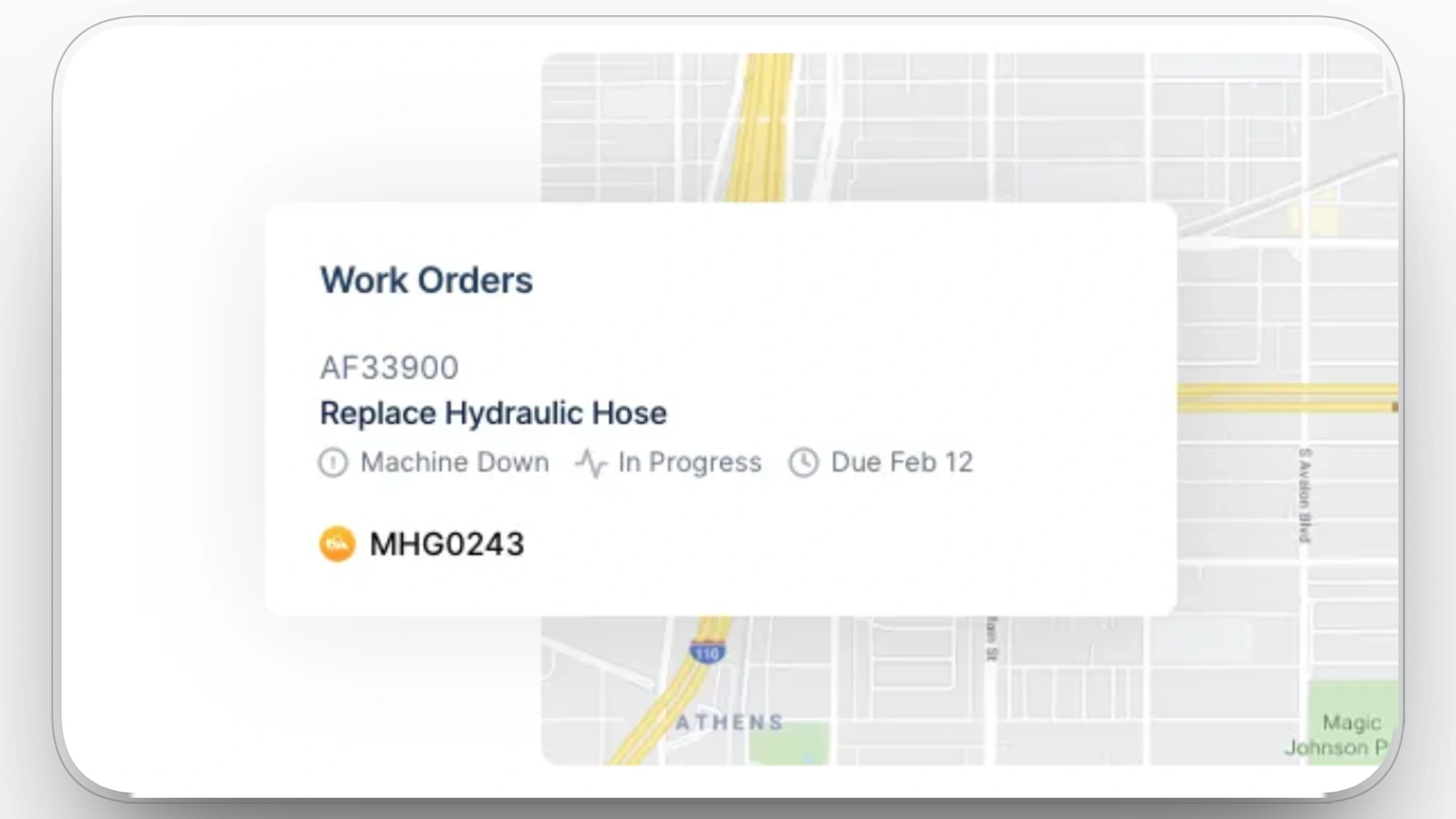
- Telematics Dashboards: Real‑time dashboards provide insights on fleet health, driver behavior, and utilization, eliminating the need for manual data analysis.
- Mobile Apps: Field teams get real‑time data and AI‑informed recommendations via the mobile app, streamlining inspections and task management on the go.
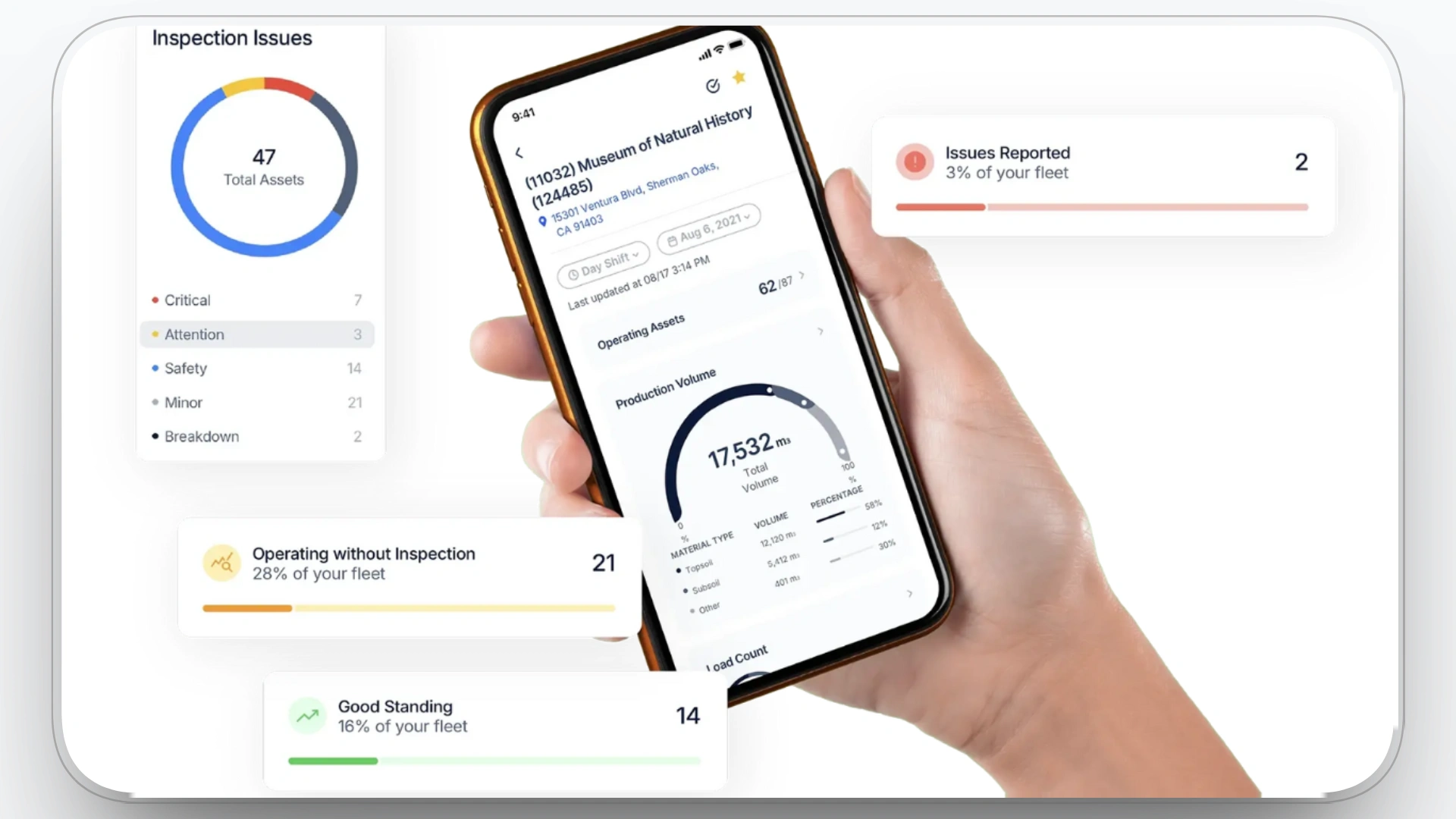
- Resource Allocation & Utilization Views: AI identifies underused assets and helps managers reallocate resources efficiently to maximize ROI.

Benefits of AI in Fleet Management
1. Enhanced Driver Training
AI analyzes driving behavior in real-time and identifies specific areas for improvement, such as acceleration patterns or braking habits. This data can be used for targeted driver training programs that foster safer and more efficient driving, resulting in long-term behavioral improvements.
2. Optimized Fleet Lifecycle Management
AI helps track and manage the entire lifecycle of fleet assets, from acquisition to decommissioning. By analyzing vehicle performance and maintenance trends, AI can provide insights on the ideal time to replace or sell vehicles, ensuring fleets are always operating at peak efficiency.
3. Improved Accident Prediction
AI can analyze patterns in driving data, road conditions, and environmental factors to predict potential accidents before they occur. This proactive approach enables fleet managers to take preventive actions, like rerouting drivers or providing additional safety instructions, reducing the likelihood of accidents.
4. Reduced Administrative Workload
AI can automate many of the administrative tasks related to fleet management, such as scheduling maintenance, processing paperwork, and tracking compliance. This automation reduces the need for manual intervention, freeing up time for fleet managers to focus on higher-level strategic planning.
5. Enhanced Sustainability through Emissions Tracking
AI goes beyond fuel consumption optimization by integrating with systems that track carbon emissions. By monitoring the environmental impact of the fleet, AI helps companies meet sustainability targets, reduce their carbon footprint, and comply with stricter environmental regulations.
6. Intelligent Fleet Deployment for Peak Demand
AI uses historical data and forecasting models to predict peak demand periods. By adjusting fleet sizes and schedules in advance, AI ensures that companies have the right number of vehicles deployed to meet demand spikes, avoiding resource shortages or underutilization.
Future of AI in Fleet Management
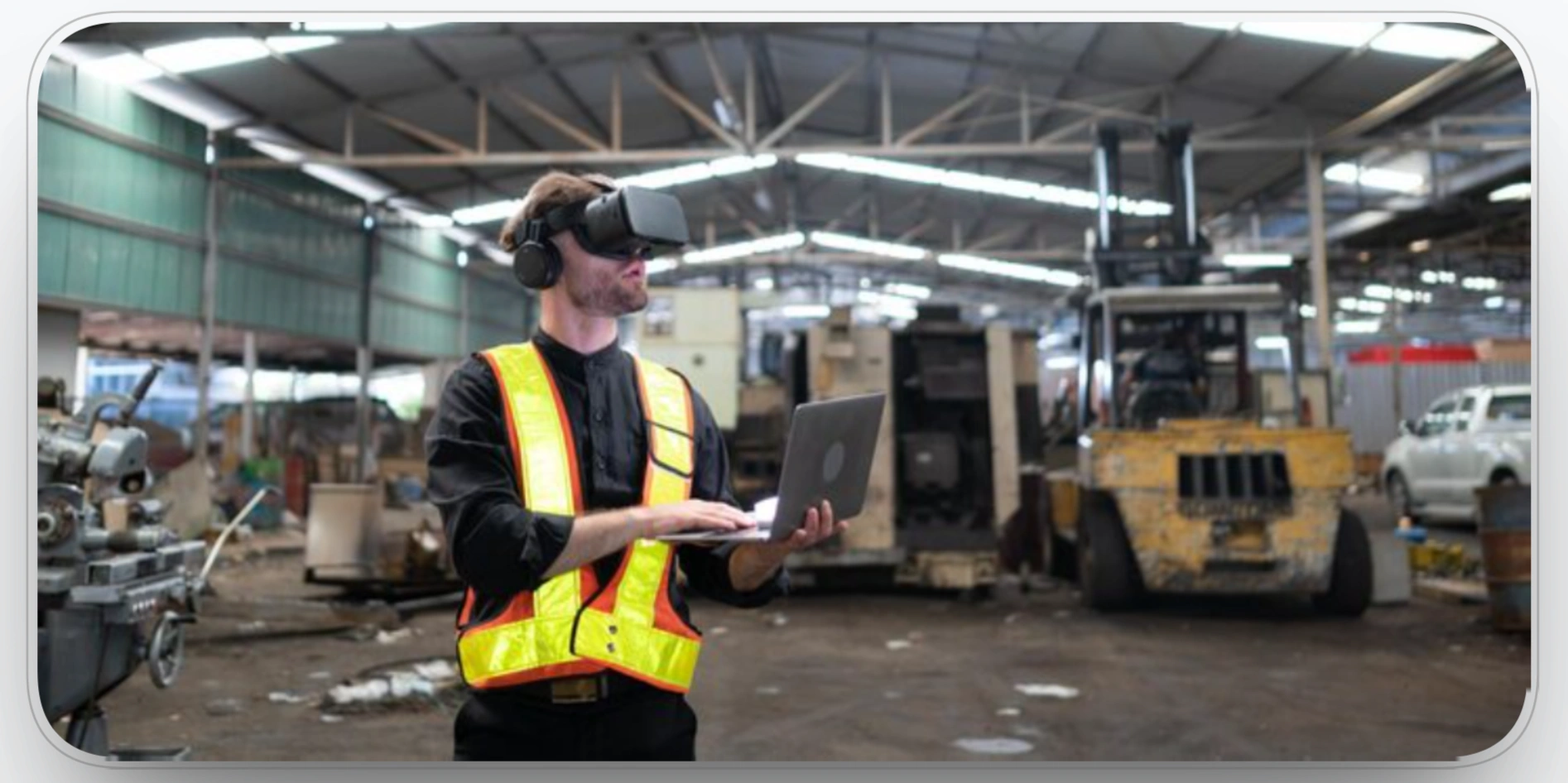
The future of AI in fleet management will bring transformative, practical changes to operations. Here are the key developments expected to reshape the industry by 2026:
- Autonomous Fleet Operations: Autonomous vehicles, including long-haul trucks, will move from prototypes to widespread commercial use. This will reduce labor costs and enable fleets to operate 24/7, improving efficiency and reducing downtime.
- Predictive Safety Systems: AI will advance beyond just reporting incidents to predicting and preventing accidents. Using telematics, cameras, and external conditions, AI will forecast high-risk situations and intervene in real-time to avoid them.
- AI-Driven Automation of Operations: AI will automate operational tasks such as scheduling, compliance reporting, and communication. This will reduce administrative overhead, allowing fleet managers to focus on strategic decision-making.
- Digital Twins for Fleet Management: AI will integrate with digital twin models to simulate and test operational changes before they are implemented. This will enable better planning, risk mitigation, and optimization of fleet resources.
- Advanced Optimization with AI Learning: AI will use reinforcement learning to optimize complex fleet tasks like routing and load balancing, continually improving performance over time based on real-time data and adaptive algorithms.
- AI for Regulatory and Sustainability Compliance: AI will automatically adjust fleet operations to comply with evolving regulations, track emissions, and optimize environmental impact, ensuring compliance with less manual oversight.
- AI-Enabled Service Models: AI will enable new fleet service models, such as autonomous freight services, reducing upfront capital costs and providing flexible, scalable access to fleet resources.
These developments will shift fleets from reactive management to proactive, autonomous systems. By integrating AI, fleets will achieve higher efficiency, lower operational costs, and greater safety, transforming the industry’s operational landscape by 2026.
Conclusion
AI is not just a passing trend in fleet management. It is here to stay, and its capabilities are only growing. From predictive maintenance and route optimization to autonomous vehicles and real-time fleet monitoring, AI is transforming how fleets operate. The integration of AI into fleet management provides companies with the tools they need to reduce costs, improve efficiency, and stay competitive.
By embracing AI, fleet managers are not just solving today's problems; they are preparing their fleets for the future. The road ahead for AI in fleet management is full of opportunities, and businesses that invest in these technologies now will be well-positioned for success in the years to come.
Related: our guide to the best construction fleet management software compares the leading platforms for 2026.
FAQs
How does AI improve fleet maintenance management?
AI uses predictive maintenance by analyzing vehicle data to identify potential issues before they lead to breakdowns. This helps fleet managers schedule maintenance proactively, reducing downtime and repair costs.
How does AI optimize fleet routing and fuel consumption?
AI analyzes traffic, weather, and route data in real-time to recommend the most efficient routes. This reduces fuel consumption, improves delivery times, and minimizes unnecessary driving.
How does AI improve driver safety and performance?
AI monitors driving behaviors, such as speeding and braking, to identify risks. It provides feedback for driver coaching, improving safety, reducing accidents, and lowering insurance costs.
How does AI help with fleet cost reduction?
AI optimizes routes, predicts maintenance needs, and improves fuel efficiency, leading to lower operational costs and reducing overall fleet expenses.
What role does AI play in fleet demand forecasting?
AI analyzes historical data to predict future fleet demand, helping businesses prepare for peak seasons and adjust fleet size accordingly.
Can AI assist in compliance management?
Yes, AI tracks regulatory requirements, helping fleets stay compliant with safety and environmental standards by automating reporting and adjustments.
How does AI improve fleet performance over time?
AI continuously learns from fleet data, improving route optimization, maintenance schedules, and driver behavior, leading to better fleet efficiency and performance.
What is the future of AI in fleet management?
AI will lead to fully autonomous fleet operations, predictive safety, and real-time optimization, significantly improving efficiency, reducing costs, and enhancing safety.

Transform Your Equipment Management