Snag List (Punch List): Meaning in Construction


Hi, I’m Maham Ali. I write about construction equipment management, helping teams use fleet data and maintenance intelligence to improve uptime, control costs, and run smoother jobsites.
In construction, the successful completion of a project does not just mean finishing the structure. It means ensuring every last detail is in place.
This is where the snag list comes in.
A snag list, also known as a punch list in some regions, is a critical document in the construction industry that identifies tasks, defects, and issues that need to be addressed before a project can be considered fully complete.
This guide will provide an in-depth look at snag lists. It will cover how they are created, how to manage them efficiently using snag list software, and the distinctions between a snag list vs punch list.
Additionally, it will address the technical aspects that construction professionals should understand to ensure their projects are delivered on time and meet the highest standards.
What is a Snag List?

A snag list is a document that outlines the defects, minor issues, incomplete tasks, or items that deviate from the original construction plans, and that require attention before the project can be officially completed. It is generally compiled during the final stages of a construction project, often in the final inspection phase, when the building is almost ready for handover to the client.
A snag list helps track any outstanding work that does not meet the agreed-upon standards or specifications. These tasks could be minor, like fixing a door that does not close properly, or major, like a structural issue that could jeopardize safety.
According to industry resources, the goal of snag and punch lists in building projects is often to achieve a “zero snag list” by the final walkthrough; meaning all outstanding issues have been addressed before handover.
Key Points of a Snag List:
1. Task Identification
Identifying tasks is the foundational step in creating an effective snag list. It involves a systematic inspection of the construction site to identify all remaining work and any defects that need attention before final approval. This includes:
- Outstanding Work: Any tasks that have not been completed or fully finished according to the project’s scope. For example, a door that was not properly installed, or a missing light fixture in a hallway.
- Defects or Inconsistencies: This involves identifying issues that do not meet the project’s specifications, such as poor paint finishes, unaligned tiles, or areas with poor workmanship.
- Non-compliance with Standards: Ensuring that all aspects of the construction comply with the building codes, client’s requests, and contractual agreements. Any item that falls short of these standards, such as plumbing that does not meet local code requirements, is noted here.
- Minor and Major Issues: Differentiating between minor cosmetic issues (like scratches on a surface or incomplete paintwork) and major functional problems (such as leaks, electrical faults, or structural concerns).
Task identification ensures that nothing is missed, from small imperfections to significant construction flaws. It provides a comprehensive view of what remains to be fixed before the project is considered complete.
2. Issue Resolution
Once tasks are identified, the next step is to resolve them. Issue resolution ensures that all defects, whether cosmetic or functional, are properly addressed before the final handover. This stage involves:
- Classifying Issues by Severity: Each issue should be categorized into critical (e.g., structural issues that impact safety), major (e.g., plumbing, electrical work), or minor (e.g., aesthetic flaws like paint touch-ups).
- Fixing Defects on Time: Ensuring that all tasks are assigned with clear deadlines. Critical issues may need immediate attention, while minor defects could be handled later.
- Appropriate Methods for Fixing: Some issues may require temporary fixes, while others could need complete reworks. For example, repairing a door hinge might require just a simple adjustment, while fixing a foundation crack might need serious structural work.
- Documenting Changes and Fixes: As fixes are made, these should be recorded to ensure the snag list is up-to-date. This can include taking photos, noting repair dates, or updating software systems for easy tracking. Regularly reviewing and updating the list will help ensure nothing is left unresolved.
The resolution stage is where the project team executes the changes that will ultimately bring the project into full compliance with its design and functionality. Without clear issue resolution, the project might face unresolved problems after handover, which can lead to costly repairs and client dissatisfaction.
3. Accountability
One of the most important aspects of a snag list is assigning accountability. Clear responsibility helps ensure that issues are resolved promptly and correctly. This step involves:
- Identifying Responsible Parties: Each task on the snag list should be assigned to the appropriate individual or team. For example, a contractor may be responsible for fixing drywall, while a subcontractor might handle electrical issues.
- Setting Clear Expectations: Providing specific quality standards for each assigned task. For instance, a subcontractor working on plumbing might need to finish installing fixtures by a specific date and must meet local code standards.
- Providing Access to Necessary Resources: it is essential that each person assigned to a task has the tools, materials, and support needed to address the issue. This could involve providing access to equipment or offering guidance on how to correct the issue.
- Regular Follow-Up and Progress Tracking: The manager or project lead must conduct regular follow-ups to check that each task is being handled as expected. This could be through site visits or using snag list software for real-time updates.
- Final Verification: Once an issue is resolved, the individual or team responsible must verify that it has been addressed to the required standard. This might include a second review by the site manager or client before marking the task as completed.
Accountability ensures that there is no ambiguity regarding who is responsible for which task. This clarity drives faster issue resolution and reduces the risk of defects being overlooked or delayed.
A well-documented snag list is critical for effective project management. It provides clarity, reduces the chance of issues being missed, and ensures timely completion.
The Benefits of Managing a Snag List Effectively

Managing a snag list properly offers several benefits, directly impacting project efficiency, costs, and client satisfaction:
1. Ensures Quality Control
A well-maintained snag list acts as the final checkpoint for ensuring that every part of the project meets the original design, client requirements, and building codes.
2. Improves Client Satisfaction
By resolving issues before handover, you avoid post-project complaints and build trust with clients. Addressing snag list items in real-time ensures that the client’s expectations are fully met.
3. Mitigates Risks
The snag list helps mitigate risks by ensuring that critical safety issues or structural defects are identified and resolved before completion. This reduces the likelihood of accidents or compliance issues post-handover.
4. Cost Savings
Catching defects early in the construction process reduces the cost of fixing issues later. The earlier problems are identified, the cheaper and easier they are to fix.
5. Facilitates Smooth Project Handover
A completed snag list allows for a smoother transition from construction to occupancy. It ensures that no outstanding issues delay final sign-off or handover.
6. Increases Accountability
Assigning specific tasks to teams and individuals creates a sense of responsibility, reducing the chance of defects being overlooked or delayed.
Understanding the Differences Between Snag List vs Punch List

Though often used interchangeably, snag list and punch list have slight differences in their application and regional usage.
Snag List
- Used in: UK, Ireland, Australia, and some Commonwealth countries.
- Focus: Broader scope; includes both minor cosmetic issues and functional defects.
- Timing: Can be used multiple times during the project lifecycle as issues arise.
- Comprehensiveness: A snag list can be more comprehensive, documenting all discrepancies and imperfections that need rectification.
Punch List
- Used in: North America (USA, Canada).
- Focus: Primarily focused on critical issues and tasks that need completion before the project can be finalized.
- Timing: Typically created only at the end of the project, before the final handover.
- Comprehensiveness: Usually more contract-driven and focused on issues that prevent completion or project sign-off.
Both lists share the same goal: to ensure that the construction project is finished according to the specifications. However, a snag list tends to be more focused on detailed quality control across the entire project, whereas the punch list typically focuses on functional completion.
The Importance of a Snag List in Construction
A construction snag list is an essential part of any project management strategy for several reasons:
1. Ensures Quality Control and Compliance
The snag list acts as the last checkpoint in the construction process, ensuring that every part of the project complies with the original plans, specifications, and client expectations. Issues that may have been overlooked during earlier stages can be identified and corrected before the final handover.
2. Client Satisfaction
Clients want to know that their new building or home is free of defects and problems. A snag list ensures that all outstanding issues are addressed, leading to higher client satisfaction and fewer post-handover complaints. The process allows clients to be part of the final inspection and helps them understand what needs to be done.
3. Risk Mitigation
A snag list also serves as an important document for risk mitigation. It provides a clear record of the issues that need to be addressed and ensures that all parties are aware of their responsibilities. This helps protect against potential disputes or legal claims after the project is completed.
4. Efficient Project Handover
The snag list streamlines the project handover process by making sure that all issues are resolved before the final sign-off. This reduces delays and helps the project team transition to the next phase of the project or finalize their work without interruptions.
5. Cost Control
By identifying defects and issues early in the process, a snag list helps reduce the cost of fixing these problems after the project is completed. Issues identified before handover are often cheaper to resolve than those discovered post-handover when they could lead to expensive repairs and downtime.
A Detailed Approach on How to Create a Snag List
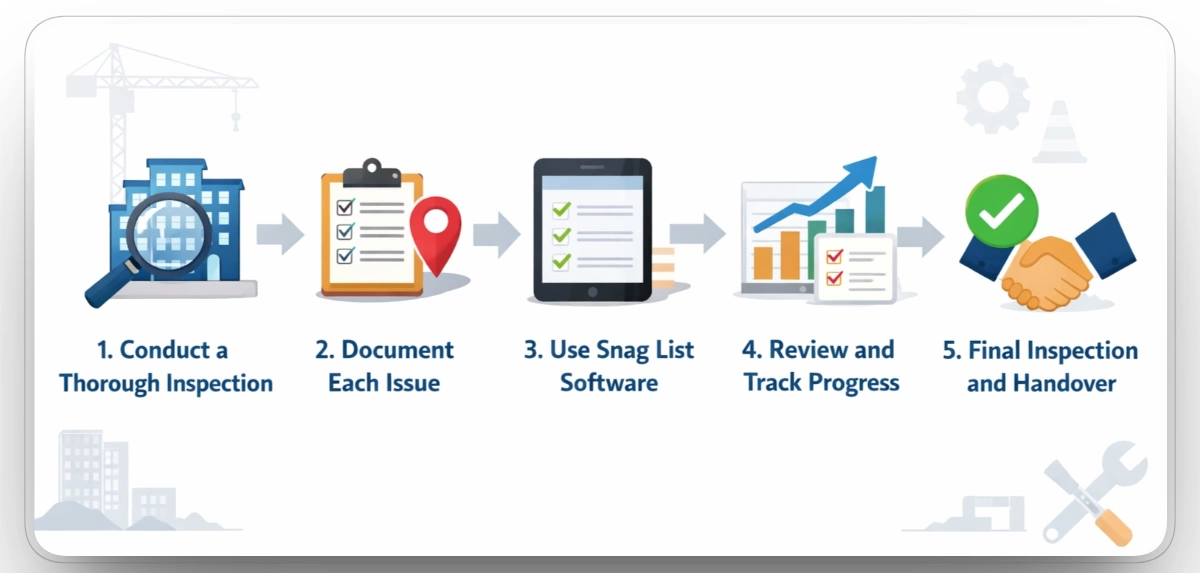
Creating an effective snag list involves a systematic and organized approach. Here’s a step-by-step guide to ensuring your snag list is comprehensive and actionable:
1. Conduct a Thorough Inspection
A snag list can only be effective if the inspection is thorough. Begin by reviewing the entire project both exterior and interior, looking for any issues, no matter how small. Start from the roof and work your way down, ensuring that every detail is addressed.
2. Document Each Issue
For every issue found, document the following:
- Issue Description: Be as specific as possible, avoiding vague terms like "fix door." Instead, say "adjust the door so it closes properly without sticking."
- Location: Pinpoint the exact location of the defect, specifying room, wall, or area.
- Priority: Prioritize defects based on their severity (e.g., structural issues vs. cosmetic issues).
- Responsible Party: Assign each issue to the person or team responsible for its resolution.
- Deadline: Set a reasonable deadline for resolution based on the severity of the issue.
3. Use Snag List Software for Efficiency
While traditional paper-based snag lists are still in use, digital snag list software offers a more efficient and organized method of managing tasks. These platforms allow real-time updates, photo documentation, and progress tracking, making it easier for all stakeholders to stay on the same page. Snag list software allows for seamless collaboration and prevents the loss of important details that might occur with traditional methods.
4. Review and Track Progress
Once the snag list is created, review it regularly to ensure that all issues are being addressed. Follow up with the responsible parties, set up status updates, and ensure all deadlines are met. Digital platforms are useful for tracking progress, providing status updates on each item.
5. Final Inspection and Handover
Once all items on the snag list have been addressed, conduct a final inspection to ensure the work is completed to the client’s satisfaction. If any issues remain, they should be promptly added to a new snag list.
The Role of Snag List Software in Construction
The construction industry is rapidly evolving with the introduction of digital snag list tools and project management software. These tools help streamline the snag list process and offer several key benefits:
Real-Time Updates
Snag list software allows for real-time updates, making it easier to manage and track tasks across different teams and stakeholders. No longer do you need to wait for someone to update a paper list or spreadsheet, everything is updated as work progresses.
Mobile Accessibility
Mobile applications enable project managers and workers to access the snag list directly from the job site. Using mobile devices, users can document defects, take photos, and assign tasks on the go.
Collaboration and Communication
Digital snag list platforms enable better collaboration by allowing stakeholders (architects, contractors, clients) to access and edit the list simultaneously. This reduces delays and confusion caused by back-and-forth communication, helping everyone stay on the same page.
Efficient Documentation
Using snag list software, all issues can be documented instantly and in detail. Photos, comments, and other attachments can be added in real time, ensuring that everyone is aware of the defects and can take the necessary steps to fix them.
Integration with Other Construction Tools
Some snag list software integrates seamlessly with other project management tools, such as Building Information Modeling (BIM) platforms. This integration enhances the efficiency of snag management by connecting defects directly to the 3D models of the building, helping contractors visualize and resolve issues with greater accuracy.
How Much Does a Snag List Cost?

The cost of a snag list largely depends on the method of management. Traditional paper-based snag lists are cost-effective but can lead to inefficiencies.
Here’s a breakdown of potential costs:
Traditional Methods (Paper-Based/Excel)
The cost of using paper-based snag lists is low, with minimal upfront investment. However, these methods can lead to inefficiencies, such as data loss, miscommunication, and delays, which ultimately increase costs in the long term.
Snag List Software
The cost of snag list software varies based on the provider, the size of the project, and the number of users. Subscription models typically charge on a monthly or annual basis, and prices can range from $20 to $200 per user per month, depending on the features offered.
Popular snag list software tools:
1. Procore
Procore is one of the most widely used project management platforms in the construction industry. It offers comprehensive features for managing projects, and the snag list tracking functionality is one of its key capabilities.
With Procore, users can:
- Create and manage snag lists for all project stakeholders
- Track progress in real-time and assign tasks to team members
- Access a mobile app to update snag lists on-site and attach photos or notes
- Generate reports and track completed items
Procore is ideal for larger construction projects where multiple teams are working simultaneously. Its robust project management features, including snag list tracking, help ensure that every aspect of the project is being handled efficiently.
2. Fieldwire
Fieldwire is a field management software specifically designed for construction teams. It provides an easy-to-use interface for tracking snag list items, collaborating with teams, and ensuring that tasks are completed on time. Key features of Fieldwire include:
- The ability to create snag lists in real-time during site visits
- Collaboration tools for assigning tasks, setting deadlines, and discussing issues
- Integration with project plans and the ability to mark up floor plans with issue locations
- Mobile app functionality that allows users to update snag lists and add photos directly from the field
Fieldwire is particularly useful for on-site teams who need to stay connected and updated while working in the field. Its mobile-friendly design and real-time syncing ensure that snag list management is smooth and efficient.
3. BauMaster
BauMaster is a digital defect management tool designed to streamline the snagging process. It provides a digital solution for managing snag lists and defects throughout the construction lifecycle. Features include:
- Mobile-friendly interface that allows construction teams to log defects and update progress on-site
- Task management tools for assigning issues to specific team members and tracking resolution progress
- Photo documentation and annotations to clearly capture issues
- Automatic report generation, saving time on administrative tasks
BauMaster is an excellent option for teams looking for a dedicated defect management solution. It simplifies the snag list process by integrating with existing project management workflows and providing a more efficient way to handle construction defects.
The investment in snag list software is typically justified by the time savings, increased accuracy, and improved collaboration it provides.
Leveraging Clue for Efficient Snag List Management

Clue is primarily designed for construction equipment management, focusing on fleet tracking, maintenance, and asset utilization. However, it does offer features that can help in managing snag list-like tasks, particularly when dealing with equipment inspections and work order management.
While it is not dedicated snag list software, Clue can serve certain snag list functions, especially when tracking defects related to equipment and site inspections.
How Clue Can Support Snag List Management
1. Digital Inspections and Checklists
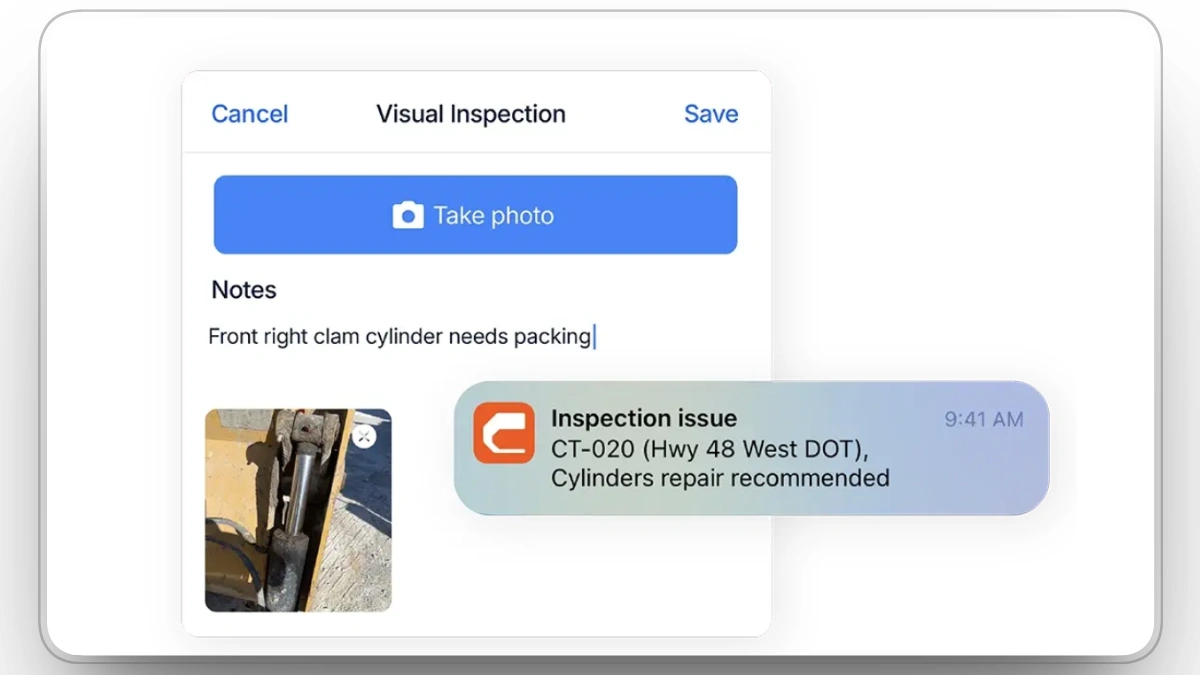
Clue allows users to create customizable inspection checklists that can help identify defects or incomplete work. This process aligns with snag list management because it provides an organized method for inspecting each part of a construction project, from equipment to basic site conditions.
Inspections can be performed in real time, with the ability to log issues directly into the platform, much like adding items to a snag list.
2. Issue Logging and Reporting
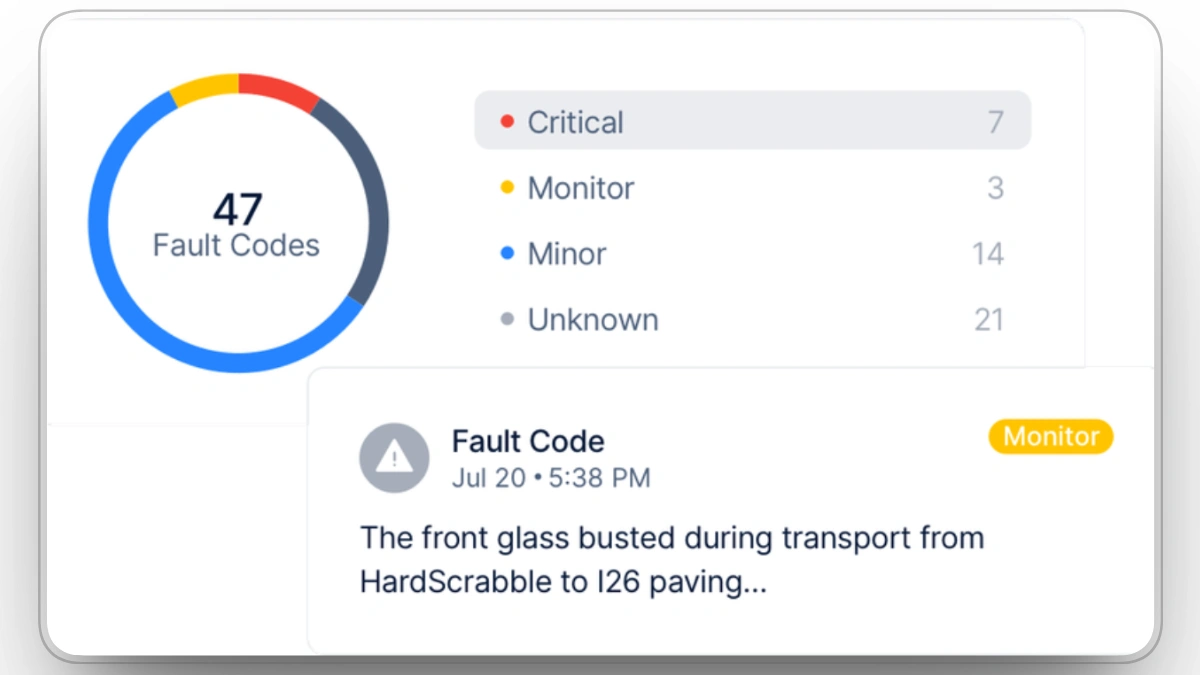
When a defect is identified during inspections, Clue logs these issues directly into the system, allowing users to track progress and resolution. The system allows you to monitor defects over time and update their status, similarly to how a snag list tracks issues from "open" to "resolved." Smart reporting and analytics helps ensure that all issues are documented, assigned, and addressed promptly.
3. Work Order Assignment
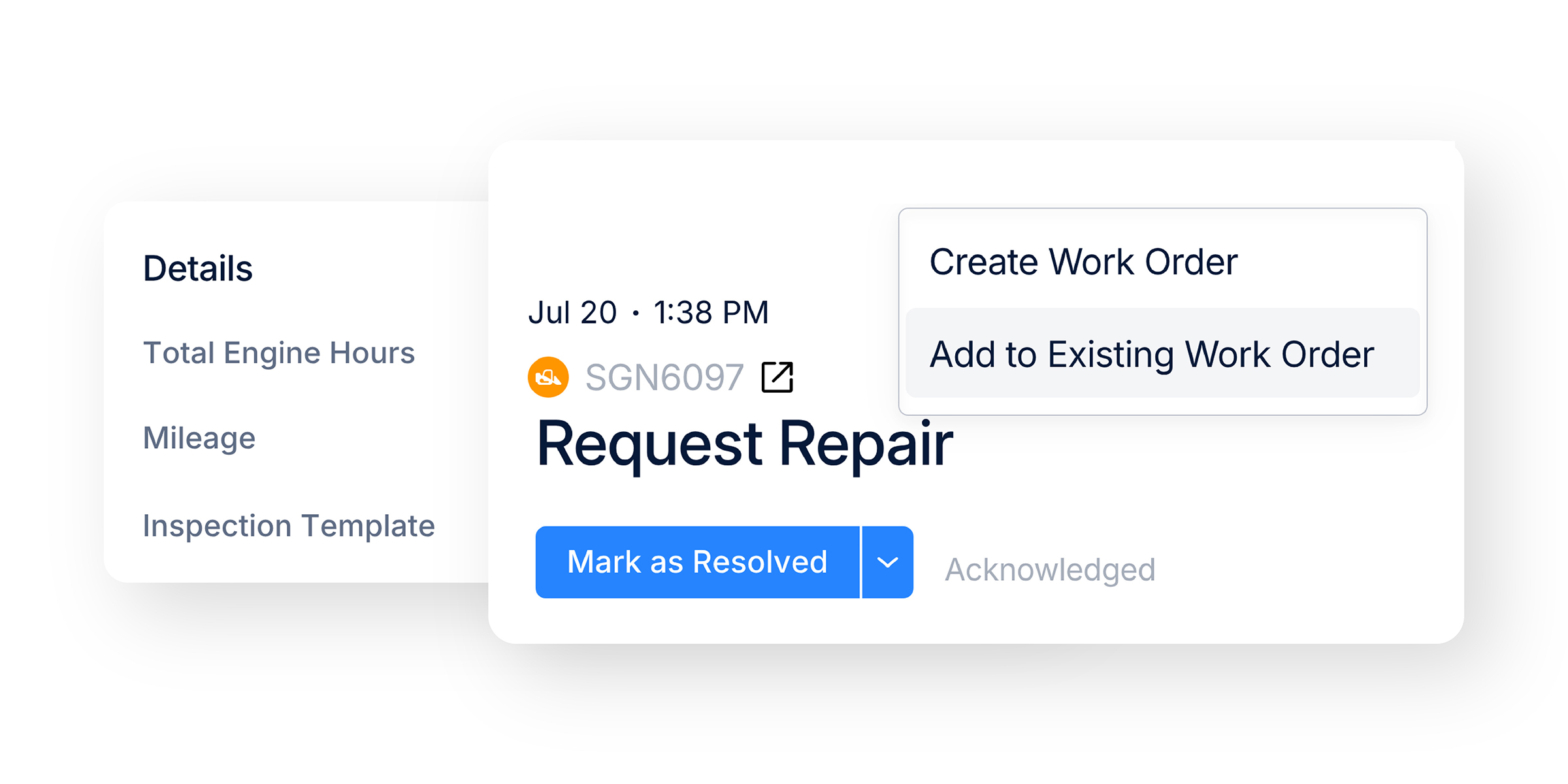
One of the most important aspects of snag list management is assigning responsibility for fixing identified issues. Clue helps with this by allowing issues to be turned into work orders. Tasks are assigned to specific teams or individuals who are responsible for completing the necessary corrections. This is essential for accountability and task resolution, key components of any snag list management system.
4. Photo Documentation and Visual References
In snag list management, visual documentation is critical for clarity and preventing misunderstandings. Clue provides the ability to attach photos and notes directly to any issues, allowing team members to easily see what needs fixing.
For example, a photo of a cracked tile or a faulty door handle can be added, providing clear evidence of the defect that needs to be resolved. This visual reference helps ensure that all parties involved understand the issue.
5. Real-Time Issue Alerts
Real-time alerts in Clue ensure that issues are not overlooked. Whenever a defect is identified or a task is assigned, users receive immediate notifications, ensuring that work is started without delay. This is essential for snag list management, where the timely resolution of issues is crucial to avoid delays in the final project handover.
6. Digital Snag Capture in the Field
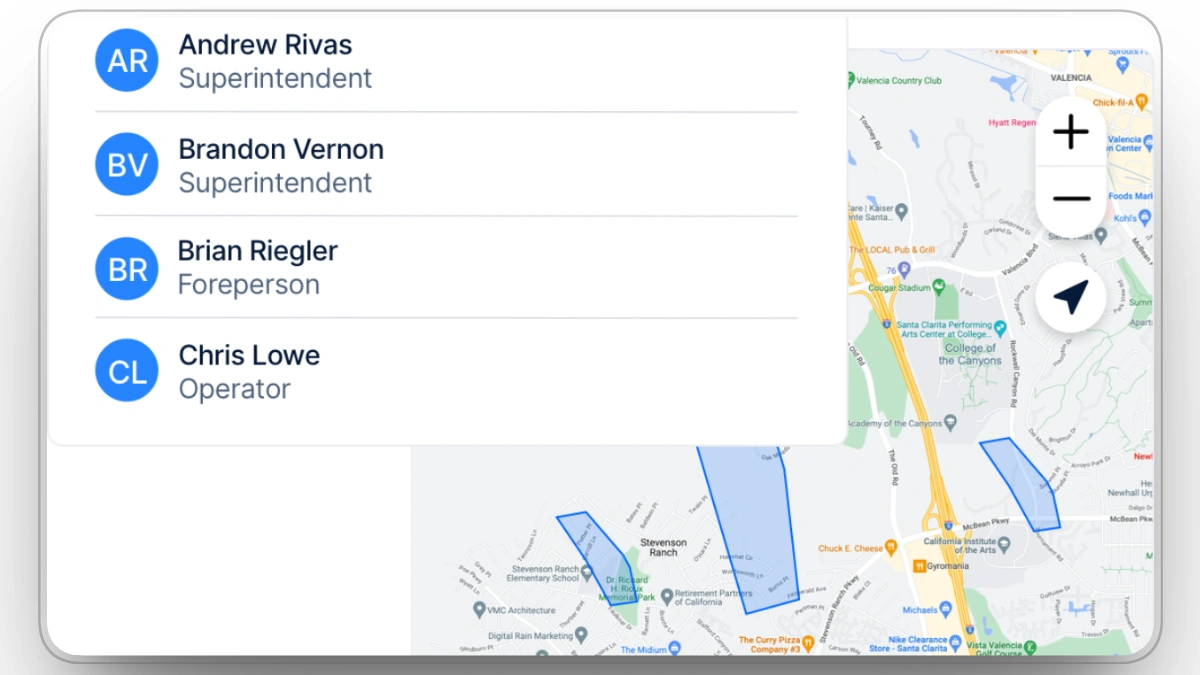
Snag items are most accurately identified at the point of discovery. Clue enables field teams and operators to log defects, incomplete work, or non-compliant conditions directly from mobile devices. Issues can be recorded immediately, reducing reliance on memory, handwritten notes, or delayed reporting after site walks.
Final Thoughts
The snag list ensures quality, meets client expectations, and streamlines construction. Managing it efficiently reduces costs, improves communication, and ensures defects are resolved before handover.
With snag list software, teams can track progress, collaborate in real time, and enhance project outcomes.
Embracing technology helps complete projects on time, within budget, and to high-quality standards.
Want to improve snag list tracking?
Clue's mobile-enabled tools help you identify defects, assign tasks, and resolve issues efficiently, ensuring smooth project delivery.
FAQs
Can snag lists be used after handover?
Yes. Post-handover snag lists are often used during defects liability or warranty periods to track issues that emerge after occupancy without reopening the full project closeout process.
Are snag lists legally binding documents?
Individually, no. However, when referenced in contracts, completion certificates, or handover agreements, snag lists can carry legal and financial implications if items remain unresolved.
How detailed should a snag list be to avoid over-scoping?
Each item should describe the outcome required, not the method of repair. Overly prescriptive entries increase scope creep and dispute risk.
What causes snag lists to grow instead of shrink near project end?
Late design changes, rushed commissioning, deferred inspections, and poor trade coordination commonly surface multiple issues at once during final walkthroughs.
How do equipment-related snags differ from building finish snags?
Equipment snags often involve safety, compliance, or operational readiness and require verification through inspection records or maintenance actions rather than visual confirmation alone.
Should clients have direct access to the snag list system?
Controlled access can improve transparency, but unrestricted editing often increases noise. Best practice is read-only visibility with formal submission channels.
How do snag lists affect final payment and retention release?
Unresolved snag items frequently delay practical completion certification, which can hold retention, final invoices, or milestone payments until closure is verified.
What metrics indicate snag list process maturity?
Low reopen rates, short average closure time, declining late-stage snags, and minimal post-handover defects indicate a controlled and mature snag management process.
Transform Your Equipment Management


%20A%20Complete%20Overview.webp)

