Maintenance Backlog in Construction: What It Is and Why It Matters


Hi, I’m Maham Ali. I write about construction equipment management, helping teams use fleet data and maintenance intelligence to improve uptime, control costs, and run smoother jobsites.
In construction, maintaining equipment efficiently is critical to keeping projects on schedule and within budget. As projects increase in size and complexity, the pressure to address maintenance needs becomes even more crucial. Unaddressed maintenance tasks quickly accumulate into a backlog, leading to significant delays, rising costs, and compromised safety.
This issue is not just an operational challenge; it is a financial risk that affects everything from equipment lifespan to team productivity. For construction managers, finding effective solutions to identify and resolve these backlogged tasks is essential for minimizing disruptions and ensuring successful project execution.
Global maintenance spending exceeds $1.5 trillion annually, with unplanned downtime costing organizations up to 11% of revenue. These costs are often due to reactive workflows and asset failures that stem directly from an unmanaged maintenance backlog.
This blog explores the deep-rooted challenges behind maintenance backlogs and provides construction teams with actionable strategies to tackle them.
What is a Maintenance Backlog?

A maintenance backlog in construction refers to any maintenance tasks that are overdue and have not been completed on time. These tasks could include repairs, inspections, replacements, preventive maintenance, or upgrades to equipment, infrastructure, or facilities.
In construction, the maintenance backlog often grows when teams are overwhelmed with immediate project deadlines. As a result, routine maintenance tasks are pushed aside and eventually accumulate, creating a significant deficit of unresolved repair work.
A backlog forms when companies fail to allocate adequate time or resources to address maintenance in a timely manner. Left unaddressed, this backlog can escalate, leading to more severe problems such as unplanned breakdowns, safety violations, and significantly higher repair costs.
Several factors contribute to the buildup of a maintenance backlog:
- Lack of Resources: Insufficient manpower, tools, and equipment often cause delays in maintenance. When labor is prioritized for urgent project tasks, maintenance gets pushed aside.
- Inadequate Budgeting: Limited budgets lead to the deprioritization of routine maintenance. Deferred tasks accumulate over time, creating a growing backlog that affects project timelines.
- Poor Planning and Scheduling: When maintenance tasks are not clearly scheduled or prioritized, they are often overlooked, leading to a backlog. Lack of structure in maintenance planning exacerbates the problem.
- Aging Infrastructure: Older equipment and systems require more frequent attention, but without adequate maintenance, these issues accumulate into a significant backlog, especially in older facilities.
In construction, a small maintenance backlog can quickly snowball, what starts as a minor equipment issue can turn into a major delay, costing both time and money!
The Impact of Maintenance Backlog on Construction Projects

A growing maintenance backlog can have severe consequences on various aspects of a construction project. The following are the most common impacts:
1. Project Delays
Maintenance backlogs lead to unexpected breakdowns and equipment downtime, which directly impact the construction timeline. Equipment failures or facility malfunctions often halt operations until they are addressed. This disrupts the project schedule and causes costly delays. The average cost of unplanned equipment downtime is estimated at $260,000 per hour for industrial facilities, showing how deferred maintenance and unmanaged tasks can rapidly inflate operating costs.
2. Increased Costs
When maintenance tasks are deferred, they often become more expensive over time. Delayed repairs often escalate into larger issues that require more extensive work, which increases the costs for labor, parts, and downtime.
3. Safety Risks
A failure to address maintenance issues, particularly in critical equipment, increases the risk of accidents and injuries. Unresolved equipment faults or poorly maintained safety systems can lead to serious incidents on construction sites, putting workers at risk.
4. Shortened Equipment Lifespan
When equipment is not properly maintained, it deteriorates faster and requires more frequent repairs or replacements. Neglecting maintenance leads to shorter asset life spans, resulting in more frequent capital expenditures on new machinery.
5. Decreased Operational Efficiency
A maintenance backlog can lead to inefficient operations, as construction teams are forced to deal with malfunctioning equipment or delayed tasks. When machinery is not performing at optimal levels, it creates bottlenecks that slow down the entire project.
Strategies to Manage and Reduce Maintenance Backlog

Effectively managing a maintenance backlog requires proactive planning, prioritization, and the use of technology. Here are strategies to reduce the backlog and improve operational efficiency:
1. Prioritize Maintenance Tasks
Prioritizing maintenance tasks based on urgency and impact is critical for clearing backlogs. The following framework can help construction teams decide which tasks to address first:
- Critical Maintenance: Tasks that pose immediate risks to safety, operational continuity, or regulatory compliance should be addressed immediately. For example, faulty electrical systems or equipment with safety risks.
- High-Priority Maintenance: Tasks that, while not urgent, could impact productivity or cause longer-term problems if left unresolved, such as equipment that is nearing the end of its service life.
- Routine Maintenance: These tasks, such as cleaning or cosmetic repairs, should be scheduled after higher-priority tasks have been completed.
Using a maintenance backlog benchmark, teams can measure how much work has been completed and compare the backlog reduction over time.
2. Implement Preventive Maintenance
Preventive maintenance is one of the most effective strategies for reducing backlog maintenance. By proactively scheduling regular inspections, servicing, and repairs, teams can identify issues before they become urgent.
3. Leverage Technology
The use of maintenance management software can help track and manage maintenance schedules, prioritize tasks, and reduce the risk of overlooking important tasks.
Clue is an equipment maintenance management software that integrates real-time data and automated alerts, ensuring that construction teams stay on top of their maintenance obligations.
With Clue, construction teams can access real-time insights into equipment health, maintenance schedules, and work order statuses. Automated notifications for overdue tasks ensure nothing slips through the cracks, enabling proactive decision-making and reducing the maintenance backlog.
4. Increase Resources and Staffing
When maintenance backlogs become significant, it may be necessary to add more skilled workers, hire contractors, or acquire additional equipment. Increased staffing can help clear backlogs more quickly by assigning more people to tackle overdue tasks.
5. Regularly Review and Adjust Schedules
Regularly reviewing your maintenance backlog is essential for keeping it under control. By assessing the tasks that remain in the backlog, construction managers can make adjustments to schedules, priorities, and resource allocations as needed. Here's how to effectively manage and track progress:
- Track Overdue Tasks: Use a maintenance backlog calculation to track the number of overdue tasks and the time they've been pending. This helps identify which tasks are taking the longest and why.
- Reallocate Resources: If certain tasks have been delayed for too long, it might be necessary to reallocate resources or adjust other project timelines to ensure critical maintenance is completed.
- Adjust Deadlines: Some tasks may require more time due to increased complexity or resource constraints. Regular review allows teams to revise timelines without letting tasks slip through the cracks.
The ability to track progress and adjust schedules based on real-time data ensures that backlogs do not continue to grow and that tasks are completed promptly.
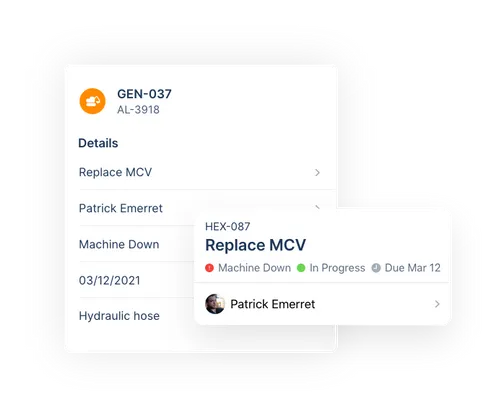
Maintenance Backlog Calculation and Benchmarking
Calculating the maintenance backlog is essential for tracking its progress and managing it effectively. Here's how construction teams can calculate and benchmark their backlog.
Maintenance Backlog Calculation
To calculate your maintenance backlog, construction teams need to track and quantify several key factors:
- Total Number of Backlogged Tasks: This includes all tasks that are overdue, such as repairs, preventive maintenance, inspections, and upgrades.
- Severity of Tasks: Categorize each task based on urgency, whether it's critical, high priority, or routine. This helps prioritize which tasks should be handled first.
- Time Delayed: Measure how long each task has been overdue. The longer a task is delayed, the more likely it will escalate into a larger problem.
- Required Resources: Estimate the amount of labor, tools, and materials needed to complete each task. Larger tasks that require special resources may take longer to address, contributing to a longer backlog.
By calculating the maintenance backlog, teams can clearly see how much work remains and how severe it is. This data helps teams prioritize tasks and allocate resources more effectively.
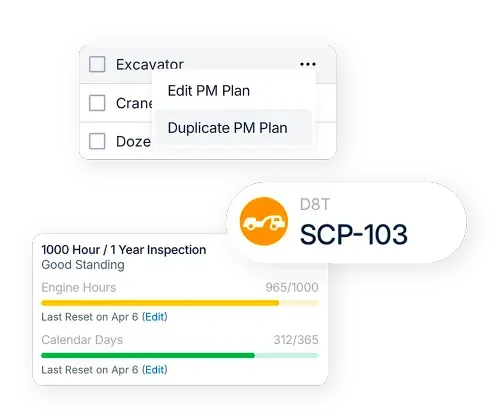
Maintenance Backlog Benchmark
A maintenance backlog benchmark is essential for tracking the efficiency of backlog management over time. This benchmark can be based on the following:
- Backlog Reduction Goals: Set targets for reducing the backlog, such as a 20% reduction in backlogged tasks within a quarter.
- Task Completion Rate: Track how many tasks are completed each month and compare that to the total number of pending tasks.
- Impact on Project Timelines: Measure how much the backlog is affecting overall project timelines. Delays in equipment maintenance or facility repairs can cause delays in construction milestones, so it's essential to track this.
- Safety Compliance: Use safety compliance metrics to track whether overdue maintenance is affecting regulatory compliance. For example, if a backlog includes critical safety equipment inspections, it can compromise worker safety and violate regulations.
Challenges in Managing Maintenance Backlog in Construction

While managing a maintenance backlog is crucial for maintaining smooth operations, it comes with its own set of challenges. Identifying these barriers helps teams take a more strategic approach to overcoming them.
1. Inaccurate Maintenance Scheduling
Without a proper system in place to track maintenance tasks, scheduling can be a major issue. Missed deadlines, poorly prioritized tasks, and a lack of communication between teams can exacerbate the backlog.
2. Aging Equipment and Infrastructure
As equipment and facilities age, they require more frequent and complex maintenance. Older systems tend to break down more often, and without a strategic approach to maintenance, a backlog can quickly form. Equipment failures are one of the primary causes of unplanned downtime in construction.
3. Increased Workload and Project Deadlines
The rush to meet tight deadlines can push maintenance tasks to the bottom of the priority list. With project teams focused on getting things done quickly, maintenance often takes a backseat, contributing to the buildup of a backlog.
4. Lack of Data and Monitoring Tools
Without effective data collection or monitoring systems in place, it's difficult to manage a growing maintenance backlog. Many companies still rely on manual tracking methods or outdated systems that do not provide real-time data.
Tools and Software to Manage Maintenance Backlog
One of the most effective ways to manage and reduce a maintenance backlog is by implementing technology.
Digital solutions like Computerized Maintenance Management Systems (CMMS) and asset management software help streamline maintenance operations and improve task visibility. Below are a few of the tools and technologies that can aid in addressing maintenance backlogs:
1. Computerized Maintenance Management Systems (CMMS)
A CMMS is an essential tool for managing maintenance schedules, tracking work orders, and ensuring maintenance tasks are completed on time.
These systems provide a centralized platform for maintenance teams to receive, manage, and prioritize requests. They also allow for easy tracking of maintenance backlog.
2. Predictive Maintenance Tools
Predictive maintenance uses sensors, machine learning, and data analytics to predict when equipment will need maintenance. By predicting equipment failure before it happens, these tools can significantly reduce the chances of accumulating a backlog due to unplanned downtime.
Clue integrates telematics data from connected equipment to monitor asset health and usage in real time. This visibility helps teams identify when maintenance is needed, schedule service before failures occur, and prevent delays that can lead to maintenance backlogs.
3. Mobile Maintenance Management Apps
Mobile maintenance apps give field teams real-time access to work orders, asset data, and maintenance schedules. With mobile access, maintenance staff can complete work orders on-site, update statuses, and receive notifications about overdue tasks.
Clue's iOS and Android mobile app allows construction teams to respond to maintenance issues quickly by providing real-time alerts, reducing the chance of tasks being delayed and contributing to the maintenance backlog.

Final Thoughts
Managing a maintenance backlog in construction is important for keeping projects on schedule, controlling costs, and improving site safety. When teams understand the causes of delayed maintenance, apply preventive practices, and use the right tools, they can reduce backlog and keep equipment and operations running more efficiently.
Clue supports this process by centralizing maintenance data, automating schedules, and sending real-time alerts. With a more proactive approach to maintenance, construction teams can reduce delays, prevent avoidable breakdowns, and keep projects moving with fewer disruptions.
FAQs
1. What is the industry standard level of maintenance backlog for construction assets?
Industry guidelines suggest that a healthy maintenance backlog should typically be limited to two to four weeks of work, based on planned workload versus capacity. When a backlog exceeds this range consistently, it often signals inefficiencies or resource constraints in maintenance processes.
2. How does the average age of backlog tasks affect asset performance?
Older maintenance tasks, especially those 90 days or more overdue tend to correlate with degraded equipment performance, higher failure rates, and more complex repairs. Backlog age metrics help indicate when a backlog is not just large, but also stale and damaging to reliability.
3. Why do poorly defined backlog items worsen construction maintenance performance?
Tasks that lack clear descriptions, scope, or required parts often sit unresolved because technicians cannot assess or act on them. Ill-defined work orders slow decision-making, waste technician time, and inflate the backlog with low-clarity issues.
4. How does inventory and spare parts availability influence a maintenance backlog?
Delays in acquiring spare parts or consumables directly add to backlog size. Without adequate tracking of parts usage and lead times, tasks sit "on hold," exacerbating backlog accumulation and delaying repairs that could prevent future failures.
5. What operational metric should teams monitor to avoid backlog spikes?
Tracking work order aging, broken down by overdue days, helps teams spot when tasks are turning stale. A growing number of tasks over a set age (e.g., 30+ or 60+ days overdue) often predicts rising breakdowns and inefficiencies if not addressed.
6. How do workflow and communication breakdowns contribute to backlog growth?
Poorly standardized work intake and handoffs lead to lost information, task duplication, and misprioritization. Clear intake forms, standardized reporting, and real-time updates help ensure tasks are accurately recorded and assigned, reducing unnecessary backlog items.
7. What role does data and analytics play in controlling maintenance backlog?
Without meaningful insights into backlog trends, asset health, and technician performance, it's difficult to target root causes of delays. Dashboards and analytics that track backlog size, recurring failure types, and compliance rates provide actionable data for continuous improvement.
8. Is maintaining a backlog ever beneficial?
In some contexts, a controlled backlog indicates planned future work that aligns with strategic maintenance planning rather than just overdue tasks. When properly categorized and scheduled, a backlog can help teams balance workload and resource deployment without overwhelming operations.
Transform Your Equipment Management

%20A%20Complete%20Overview.webp)