Understanding Fault Code Severity
Inspections
Reading Time:
3 min read
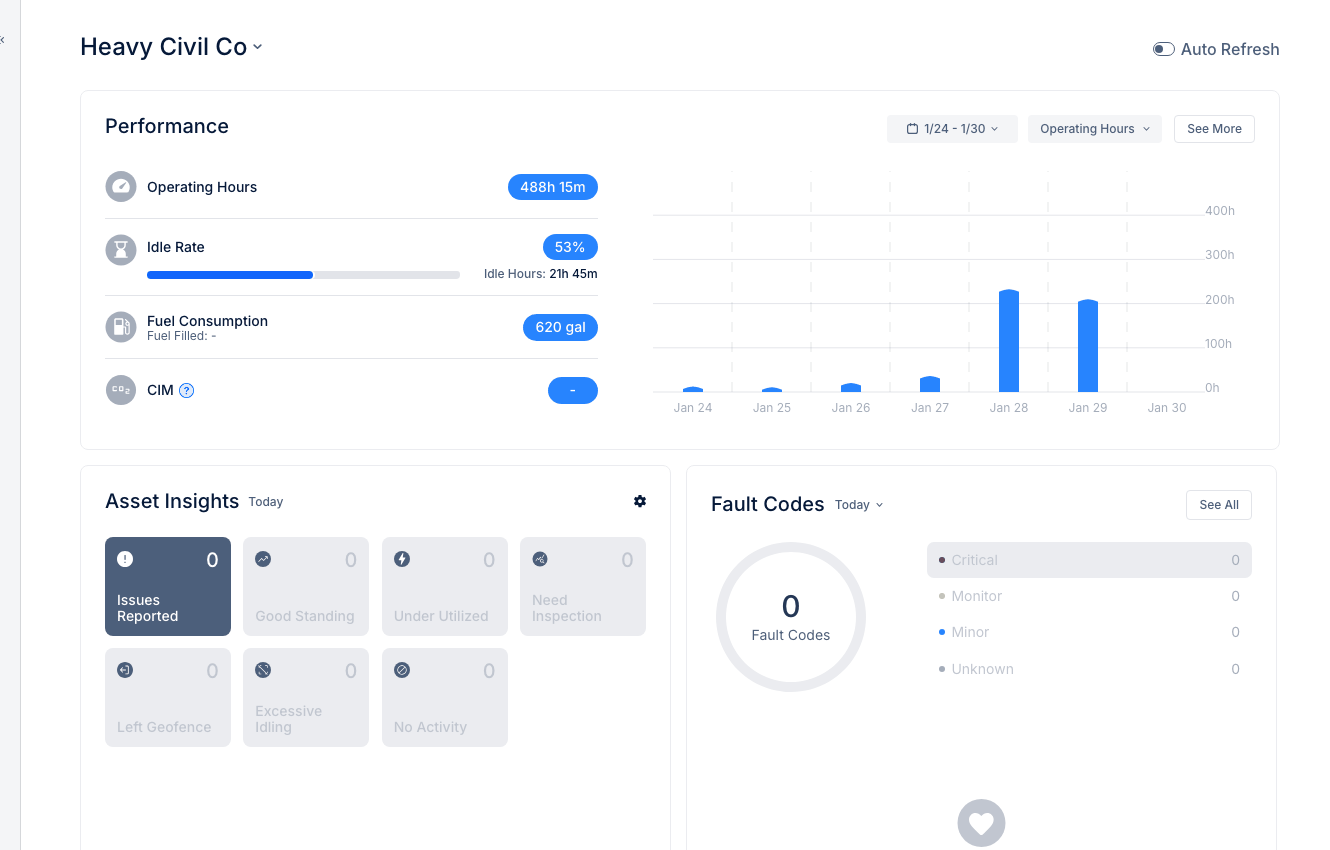
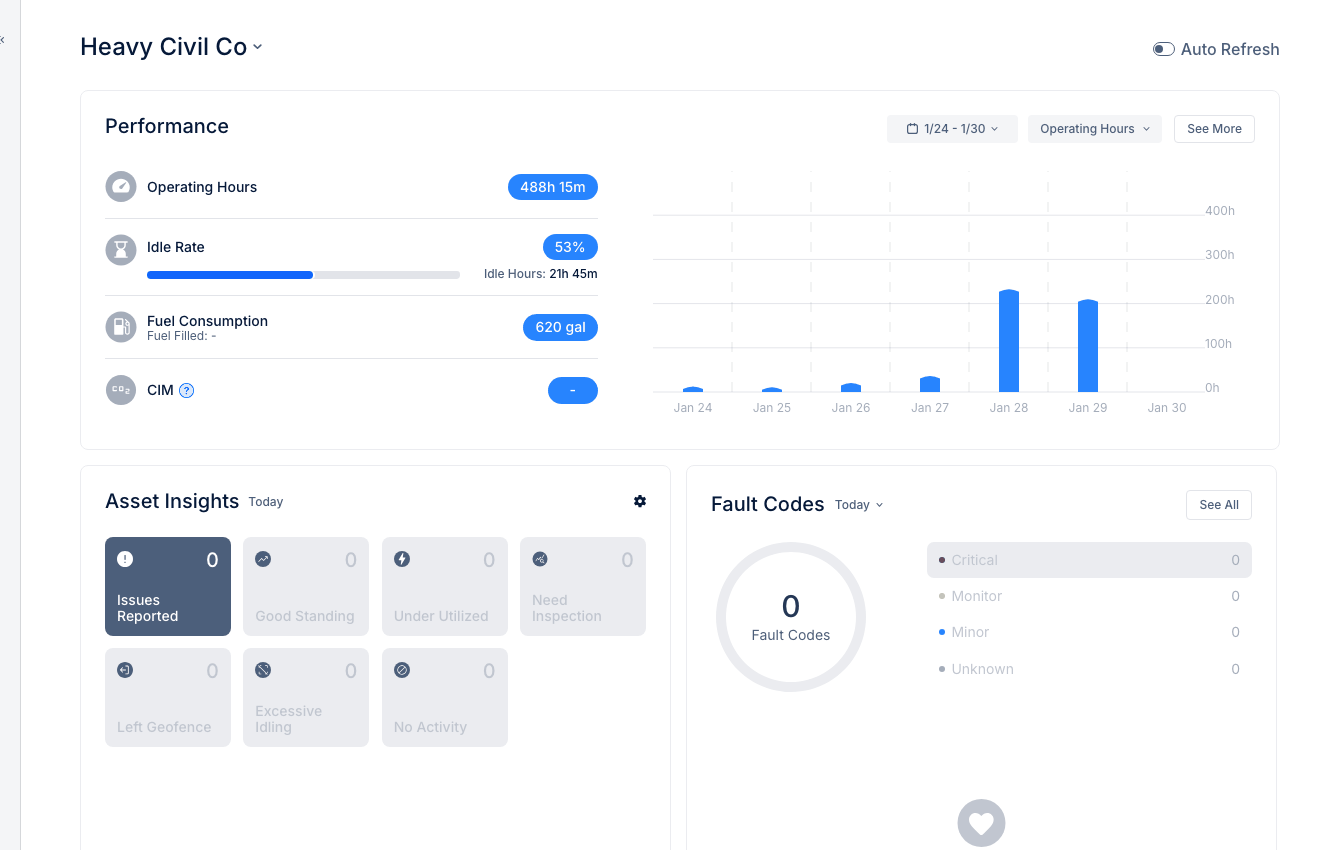
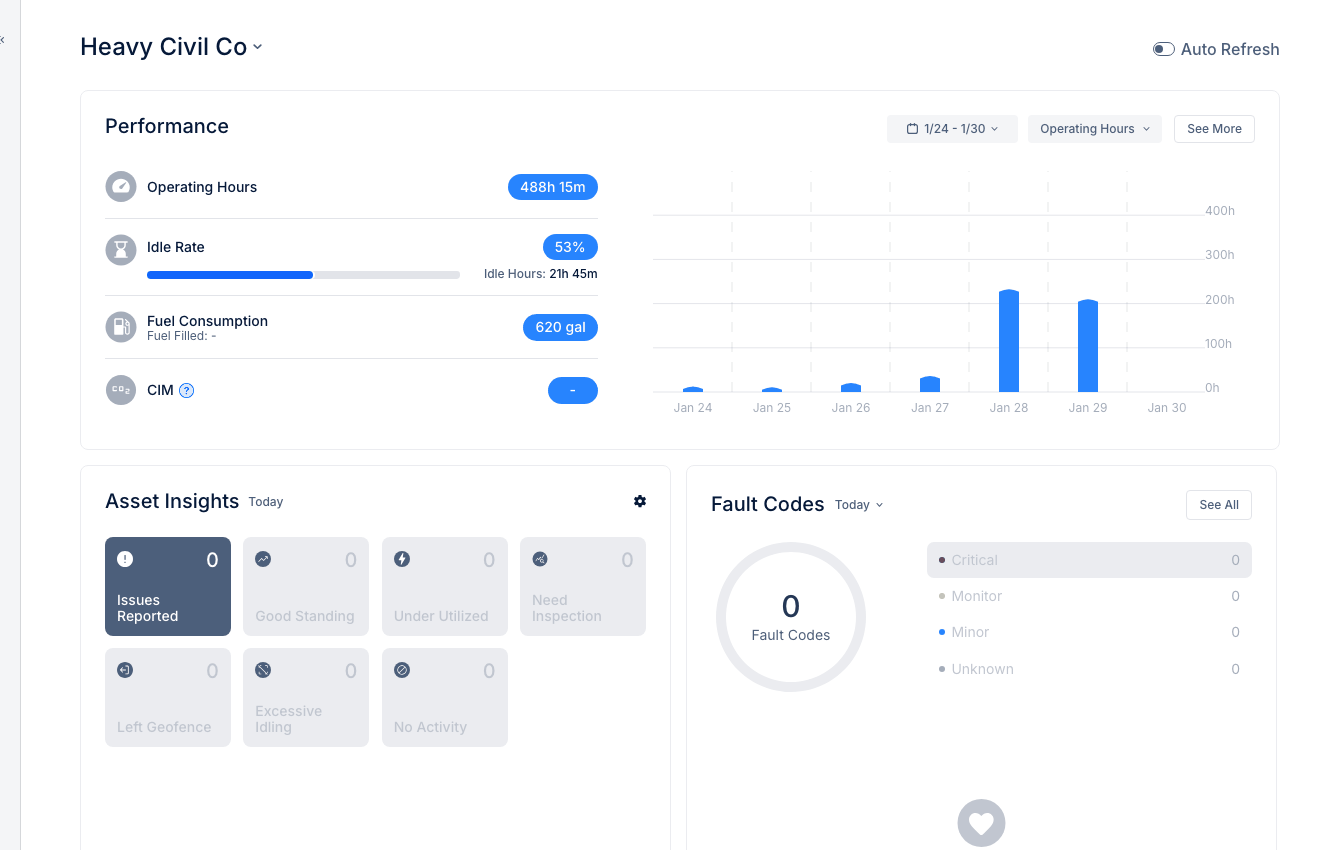
Fault codes from telematics have different severity levels. Understanding what each means helps prioritize your response.
Severity Levels
Critical (Red)
Immediate action required:
- Safety hazard potential
- Equipment should stop operating
- Risk of major damage if ignored
Examples: Engine overheating, low oil pressure, brake system fault
Monitor/Warning (Yellow)
Needs attention soon:
- May affect performance
- Could become critical if ignored
- Schedule service promptly
Examples: Check engine light, DEF level low, filter restriction
Minor/Informational (Blue)
Low priority:
- Minor issue or advisory
- Schedule for next service
- No immediate impact
Examples: Service reminder, sensor calibration needed
Responding to Fault Codes
- Critical - Stop equipment, inspect immediately, create urgent WO
- Warning - Schedule service within days, monitor closely
- Minor - Add to next scheduled service
Tips
- Never ignore Critical codes - they're urgent for a reason
- Document fault codes in work orders for history
- Track recurring codes to identify chronic issues